Counting the waves…
Counting the waves…
A refined fusion of water purity, environmental stability, and communal vibrancy for The Neck Beach.
View MethodologyAnalyzed via live sensors and environmental data.
Wave height, wind, and atmospheric stability.
Live footfall and crowd balance metrics.
Community reviews and curated sentiment.
“You'll walk a quarter-mile isthmus where gusts carry the briny musk of seal colonies and the squawks of five penguin species echo off tussock grass. The sand crunches beneath your boots—yes, boots—as gentoos waddle…”
Limited recent visitor reports — live OBI telemetry is your best guide for current conditions.
The Neck earns its name honestly: a narrow band of pale sand no wider than a football field, linking the northern and southern halves of Saunders Island like a biological causeway. You approach on foot across sheep-cropped pasture, the wind constant and sharp, until the beach opens before you—twin bays curving east and west, their surf lines grey-white against the South Atlantic swell. The sand itself is fine and cold, studded with kelp holdfasts and the occasional whale vertebra bleached lunar-white.
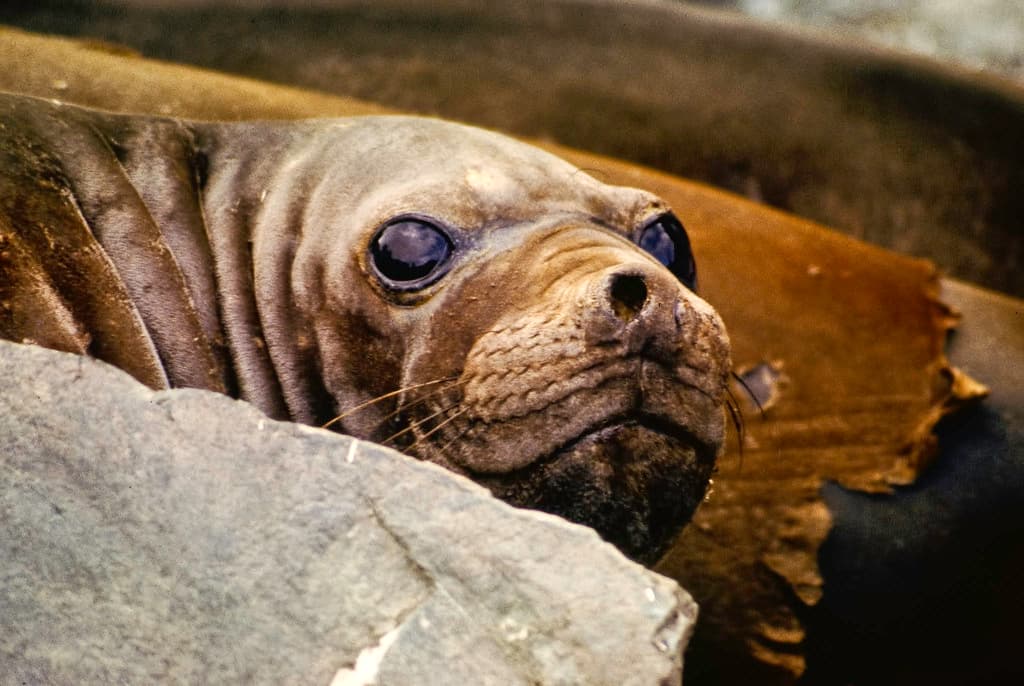
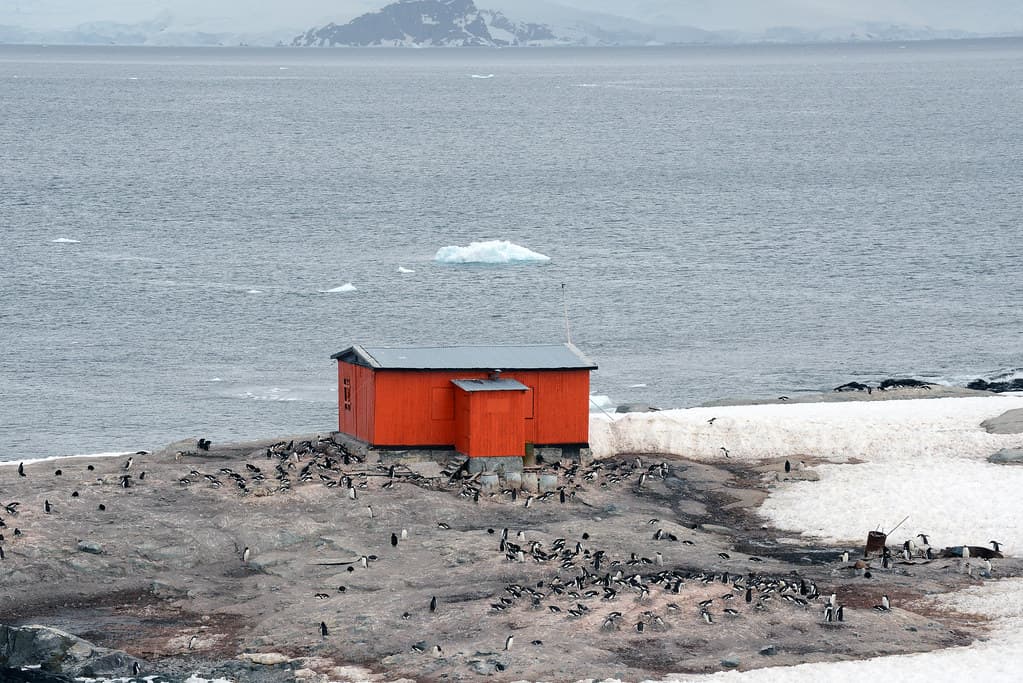
This isn't a place for sunbathing. You're here for the congregation: black-browed albatross nesting on the west cliffs, rockhopper penguins porpoising through the shallows, Magellanic and gentoo colonies dotting the tussock, king penguins preening on the strand. Southern elephant seals haul out near the tideline, their guttural belches audible over the wind. The air smells of peat smoke from the distant settlement, salt, and ammonia.
 Credit: Unsplash
a sandy beach with a body of water in the background
 Credit: Unsplash
sea waves crashing on shore during daytime
King, gentoo, rockhopper, Magellanic, macaroni
West headland cliff nesting sites
Elephant seals at tideline
Prime Visitation
Best Weather | Less Crowds
Where it is
The Neck Beach
Saunders Island, Antártida e Islas del Atlántico Sur, Argentina
-51.353600°, -60.088700°
Weather
Loading…
Swell
—
Temp
Warm · Restorative
UV Index
Moderate
Wind
—
Tidal State
Last known
Max Sunlight
—
Ideal Shade
—
Jan - Dec (Peak)
Mar - Nov (Off-season)
Best Weather | Less Crowds
Select a category to load nearby places.
Unlock restaurants, luxury stays and curated maritime experiences within 2km
Swimming at The Neck Beach is not advisable and rarely attempted. Water temperatures in the Falkland Islands remain dangerously cold year-round, typically 4-9°C (39-48°F), creating immediate hypothermia risk. The exposed location experiences strong currents and unpredictable weather that can change within minutes. The beach's primary value is wildlife observation, not recreation. Visitors should focus on walking the isthmus and observing the diverse bird colonies. Medical facilities are limited on the island and far from Stanley. Always maintain safe distances from wildlife, particularly during breeding season when some species can be defensive of their territories.
The optimal visiting period is during the Falklands summer from October through March, when weather is most stable and wildlife breeding activity peaks. November through January offers the most active penguin colonies with courtship, nesting, and chick-rearing behaviors. December and January provide the longest daylight hours and relatively milder temperatures, though conditions remain cool and windy. Wildlife diversity is highest during summer months, with multiple penguin species, albatrosses, and other seabirds present. Visitor access is generally easier during this season, though weather can still be unpredictable. Wildlife photographers particularly favor January for chick activity and diverse species interactions.
Reaching The Neck Beach requires traveling to Saunders Island, typically via FIGAS (Falkland Islands Government Air Service) flight from Stanley on small aircraft. Flights operate on a schedule that varies with demand and weather. Some expedition cruise ships also visit Saunders Island, landing passengers by Zodiac. Once on the island, reaching The Neck involves arrangement with local landowners and potentially a 4WD vehicle transfer followed by walking. The isthmus itself is accessed on foot. All visits require advance permission from the island's owners and coordination through Falklands tourism operators or direct contact with the island settlement to arrange logistics.
Accommodation on Saunders Island is limited to basic farmhouse lodging that must be arranged in advance through the island's owners or Falklands tourism operators. The small settlement provides simple rooms and home-cooked meals featuring local ingredients, typically as part of an all-inclusive arrangement. There are no hotels, restaurants, or shops on the island. Visitors should expect basic but comfortable amenities in a working farm environment. Meals are usually shared with hosts and include Falklands staples. Many visitors arrive on day trips via FIGAS flights or cruise ship excursions, not staying overnight. Booking well ahead is essential for overnight accommodation.
The Neck Beach is distinctive as a narrow white-sand isthmus connecting two parts of Saunders Island, creating unique geography and concentrated wildlife habitat. This land bridge hosts remarkable penguin diversity, with gentoo, rockhopper, Magellanic, and occasionally king penguins present. Black-browed albatross colonies nest on surrounding slopes, offering rare proximity to these magnificent seabirds. The white sand contrasts dramatically with typical Falklands rocky beaches, creating stunning photographic opportunities. Walking the narrow neck with ocean on both sides and wildlife colonies on slopes provides an intimate wilderness experience. The combination of white sand, diverse penguin species, and albatrosses makes it iconic.
Photos