Counting the waves…
Counting the waves…
A refined fusion of water purity, environmental stability, and communal vibrancy for Leopard Beach.
View MethodologyAnalyzed via live sensors and environmental data.
Wave height, wind, and atmospheric stability.
Live footfall and crowd balance metrics.
Community reviews and curated sentiment.
“Leopard Beach on Carcass Island delivers what few shores can: a crescent of bone-white sand lapped by the South Atlantic, where Magellanic penguins waddle past and caracaras call overhead. You'll arrive by small boat,…”
Limited recent visitor reports — live OBI telemetry is your best guide for current conditions.
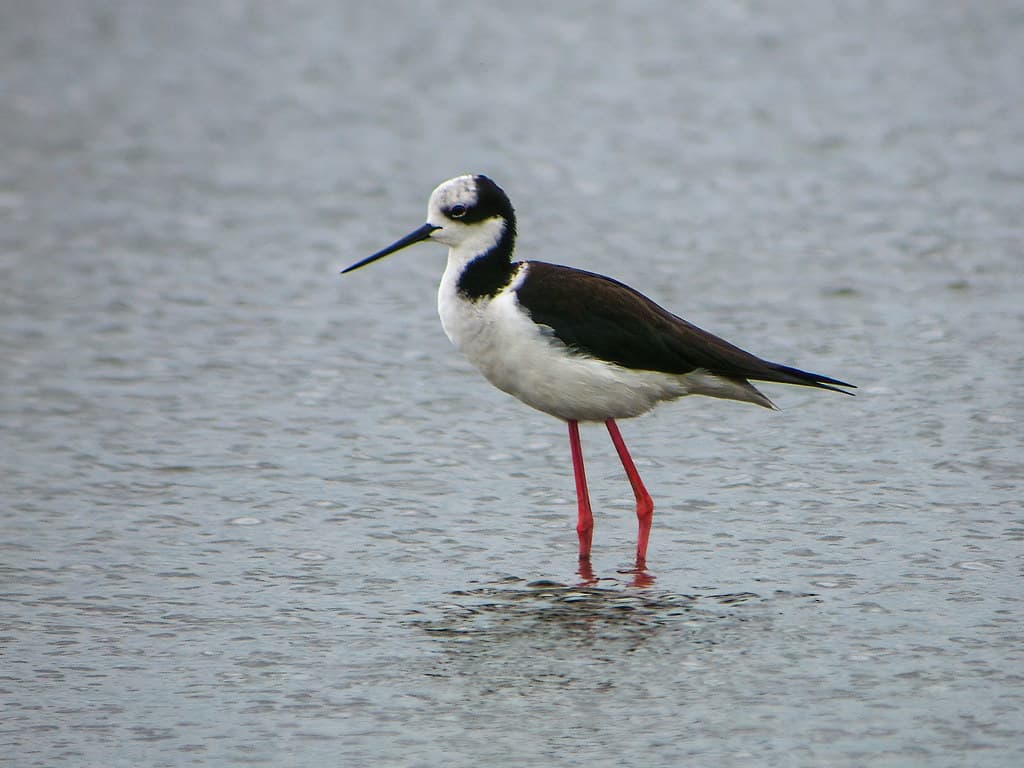
You reach Leopard Beach after a short crossing from the settlement on Carcass Island, one of the Falklands' most westerly inhabited outposts. The sand stretches pale and fine between tussac grass headlands, framed by water so cold and clean it seems to hum with clarity. Kelp geese peck along the tideline. Upland geese honk from the dunes. The air smells of salt and peat smoke drifting from the island's single farmhouse.
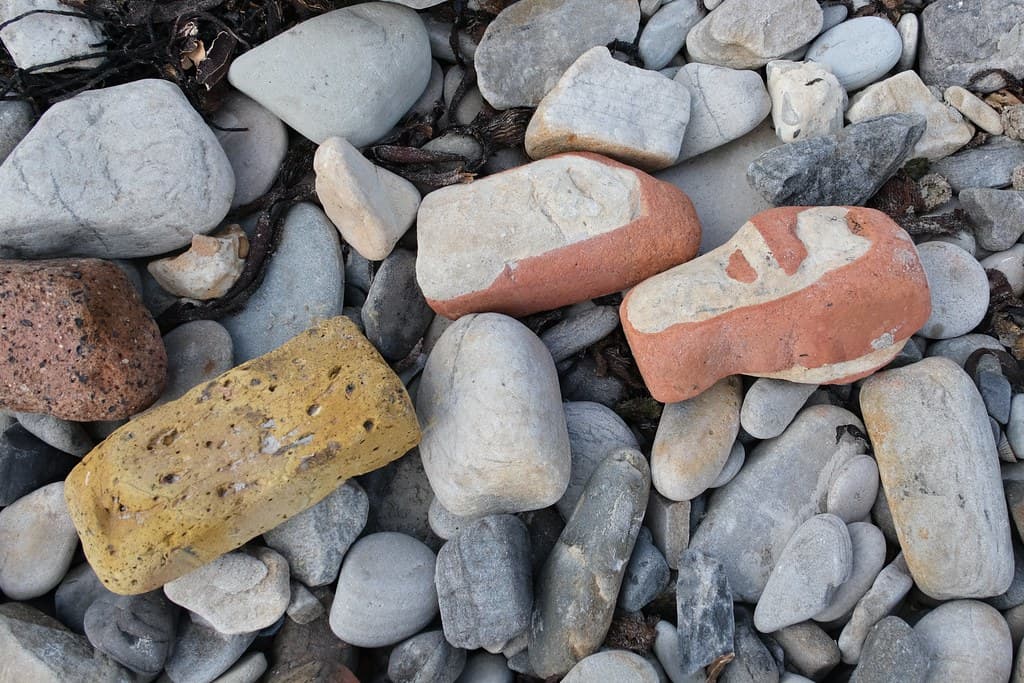
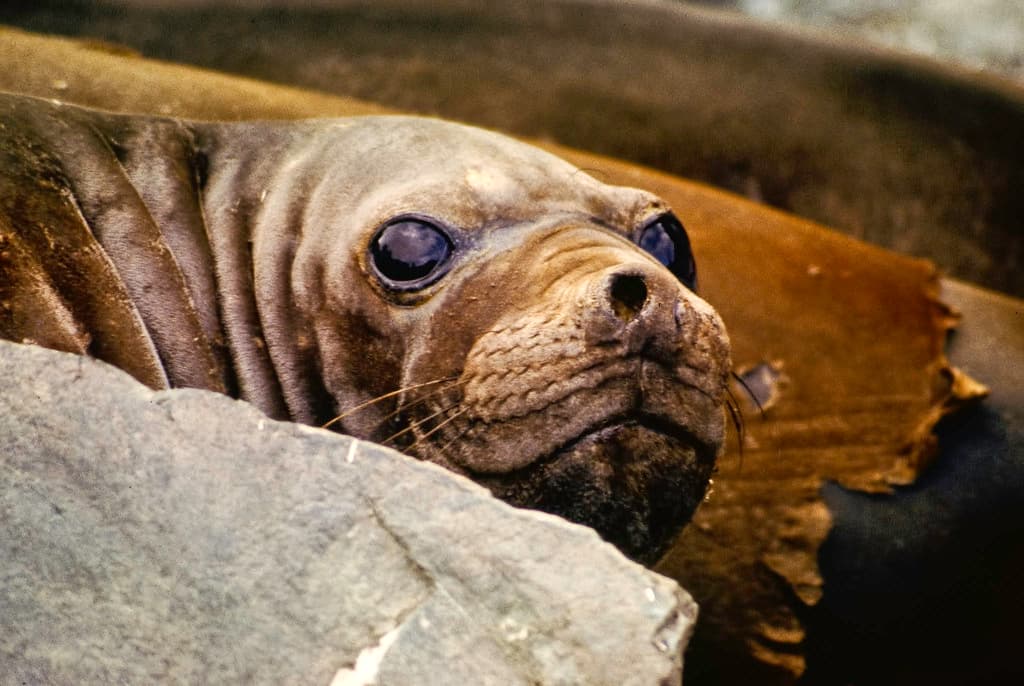
This is not a beach for swimming—the South Atlantic holds a bracing six degrees Celsius even in summer—but for witnessing a coast untouched by development. Elephant seals haul out on the northern end, their bellows audible across the bay. Penguins emerge from the surf and shake themselves dry mere meters from where you stand. You'll find driftwood smoothed to sculpture, shells you can't name, and a silence broken only by wind and waves.
 Credit: Unsplash
a sandy beach with a body of water in the background
 Credit: Unsplash
sea waves crashing on shore during daytime
Long lens from respectful distance
Spot caracaras and upland geese
Morning surf arrivals most active
Prime Visitation
Best Weather | Less Crowds
Where it is
Leopard Beach
Carcass Island, Antártida e Islas del Atlántico Sur, Argentina
-51.281800°, -60.561700°
Weather
Loading…
Swell
—
Temp
Warm · Restorative
UV Index
Moderate
Wind
—
Tidal State
Last known
Max Sunlight
—
Ideal Shade
—
Jan - Dec (Peak)
Mar - Nov (Off-season)
Best Weather | Less Crowds
Near Leopard Beach
Explore dining, stays, nightlife, and activities near Leopard Beach in Carcass Island, Argentina. Every listing below is a real place linked to this beach — open a card for reviews, maps, and booking options.
Stays and lodging options near Leopard Beach for your beach trip.
Select a category to load nearby places.
Unlock restaurants, luxury stays and curated maritime experiences within 2km
Swimming at Leopard Beach is not recommended due to extremely cold water temperatures typical of the Falkland Islands, ranging from 3-9°C year-round. The remote island location means emergency services are far away, and hypothermia can set in within minutes without proper thermal protection. The beach's pristine waters and white sand are best enjoyed from shore. Visitors should focus on walking, photography, and wildlife observation rather than water activities. Always maintain safe distances from wildlife, particularly seabirds and marine mammals that may be present on this isolated beach.
The optimal time to visit Leopard Beach is during the Falklands summer from November to March, when weather is most favorable and wildlife activity peaks. November through January offers excellent seabird breeding activity and penguin sightings, perfect for photography. December and January provide the longest daylight hours for exploration. Visit during weekdays or shoulder months (November, March) for fewer crowds, though Carcass Island remains relatively uncrowded year-round. Weather can change rapidly, so bring layered clothing and waterproofs regardless of forecast. Book island visits well in advance as access is limited.
Reaching Leopard Beach requires traveling to Carcass Island, accessible only by small aircraft or boat from Stanley. FIGAS (Falkland Islands Government Air Service) operates scheduled flights to Carcass Island, subject to weather and demand. The flight takes approximately 30-45 minutes from Stanley. Alternatively, arrange boat transfers through tour operators, though sea conditions can be rough. Once on Carcass Island, Leopard Beach is accessible via walking paths from the settlement. Visits must be coordinated with island landowners, and advance booking is essential as tourist capacity is limited.
Carcass Island offers very limited accommodation, typically a small guesthouse or self-catering cottage operated by the island's owners. Advance booking is essential and often arranged months ahead. Meals are usually provided by your hosts, featuring local produce and seafood. There are no restaurants, shops, or commercial facilities on the island. Visitors must bring any special dietary items, medications, and personal supplies from Stanley. The accommodation is basic but comfortable, providing an authentic remote-island experience. This intimate setup ensures a genuine wilderness experience with personalized hospitality.
Leopard Beach is distinguished by its remarkable white sand composition, rare in the predominantly rocky Falkland Islands coastline. The beach's pristine, untouched quality offers exceptional photographic opportunities, especially with its dramatic island backdrop and abundant wildlife. Carcass Island's relative isolation ensures minimal human impact, creating an Instagram-worthy paradise for nature photographers. The beach often hosts penguin colonies, seabirds, and occasionally marine mammals, providing intimate wildlife encounters. Its remote location and limited visitor numbers guarantee an exclusive, peaceful experience unavailable at more accessible Falklands destinations.
Photos