Counting the waves…
Counting the waves…

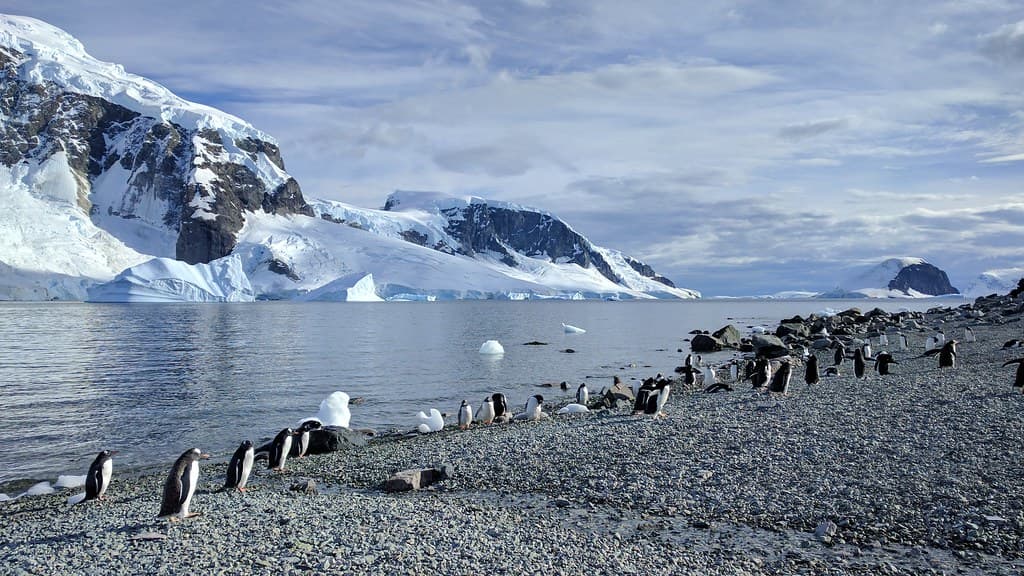
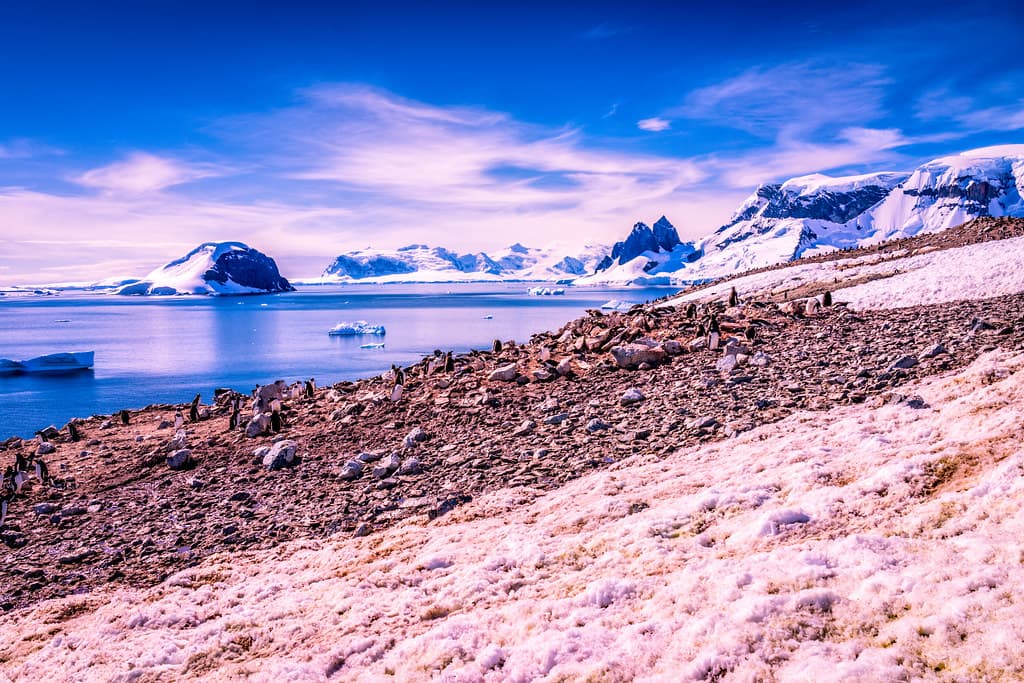
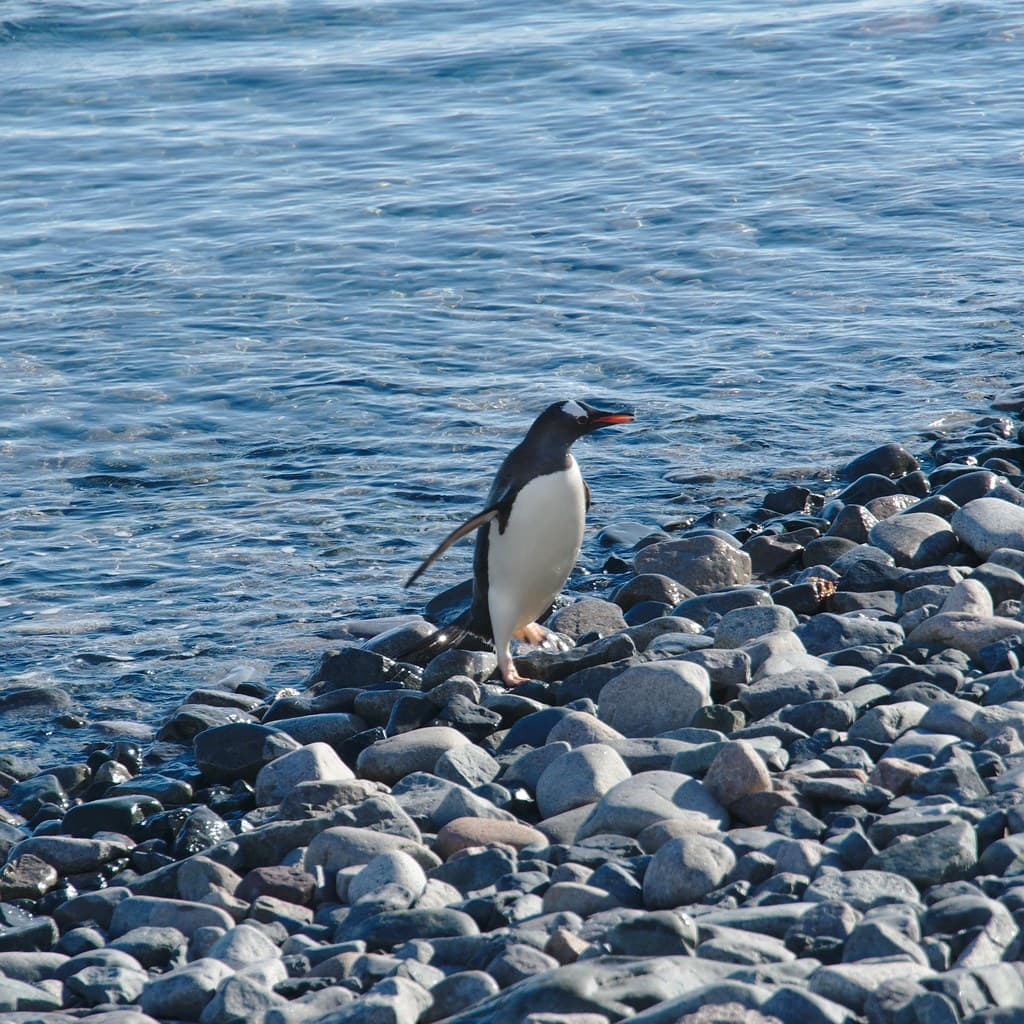
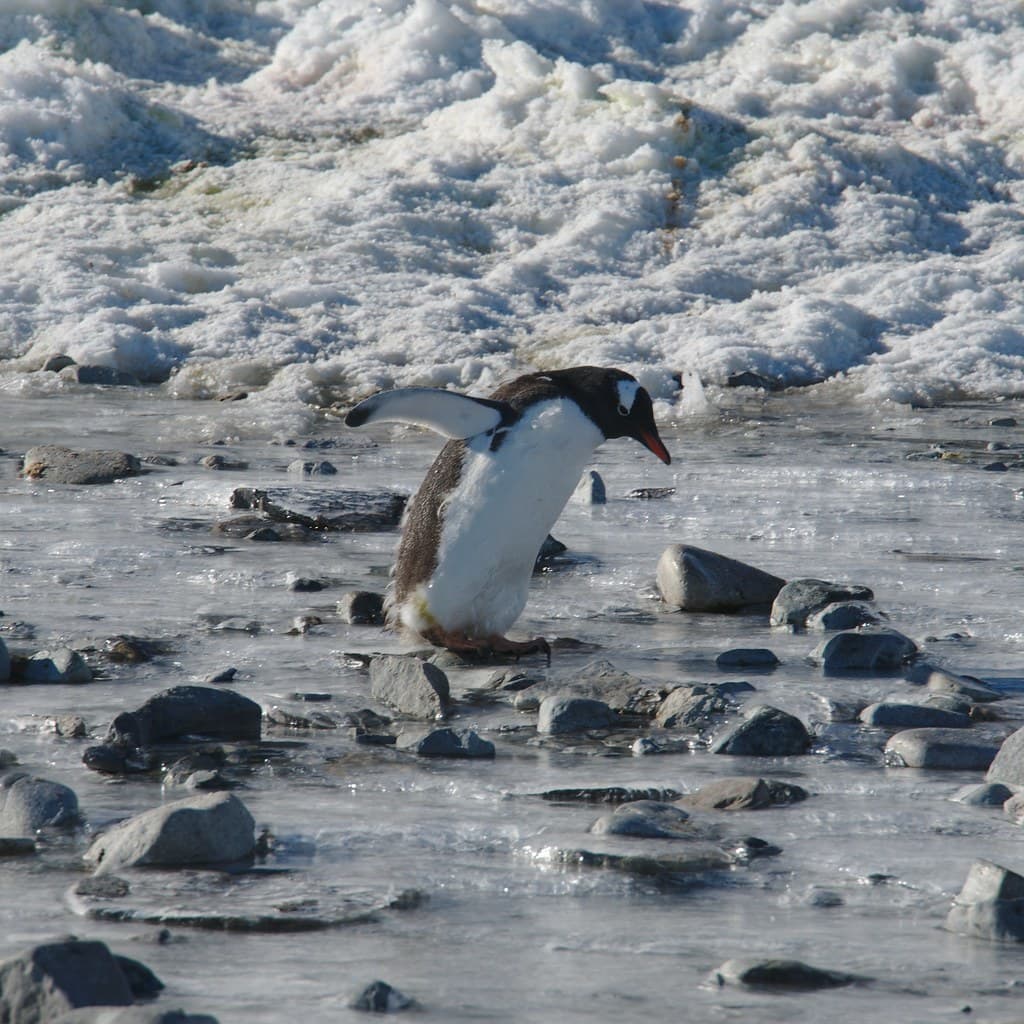
The beach at Cuverville Island offers no sand, no shade, no warmth—only a narrow margin of dark pebbles wedged between the Errera Channel and snow slopes that rise steeply into fog. You navigate carefully over rounded stones slick with guano and seawater, your boots crunching with each step, while gentoo penguins toboggan past on their bellies, indifferent to your cameras and Gore-Tex. The colony here numbers in the tens of thousands during breeding season, their calls a constant braying chorus that echoes off the surrounding peaks of the Arctowski Peninsula. The shoreline itself shifts with the tide and the whims of brash ice—chunks of glacier the size of cars that drift lazily in the channel, occasionally grinding onto the beach with a sound like crushed glass. You'll smell the colony before you see it: a sharp, organic pungency that clings to your jacket long after you've returned to the ship. Skuas patrol overhead, opportunistic and patient, while Weddell seals haul out on ice floes just offshore, their dark eyes tracking your movements without concern. Expedition leaders rope off nesting areas, and you're required to stay five meters from any penguin—though the birds themselves observe no such courtesy, waddling directly across your path as they ferry pebbles to their mates or return from fishing runs, their white bellies still dripping seawater. The light here is mercurial: flat gray one moment, then suddenly brilliant as the sun finds a gap in the clouds, turning the ice sculptures along the shore into blazing sculptures of cobalt and silver.
Places, rentals, tours and events within walking and driving distance of Cuverville Island Beach.
Photos
Swimming at Cuverville Island Beach is not safe or recommended for recreational purposes. Antarctic waters maintain near-freezing temperatures that cause hypothermia within minutes of immersion. Some expedition ships offer supervised polar plunge opportunities with immediate medical support and warm facilities, but these are brief, controlled experiences. The pebble beach is used primarily for walking and wildlife observation during guided landings. Visitors must wear waterproof boots and layers, maintain safe distances from wildlife, and follow expedition staff guidance for all shore activities.
Visit Cuverville Island Beach between November and March during the Antarctic summer season. December through February offers peak conditions with temperatures around 0-2°C, extended daylight (up to 20 hours), and active gentoo penguin breeding colonies. November features courting penguins and pristine snow, while late December through January showcases penguin chicks. February into March provides fewer crowds but some colonies begin dispersing. All landings depend on daily weather, ice, and sea conditions, so itineraries remain flexible regardless of season.
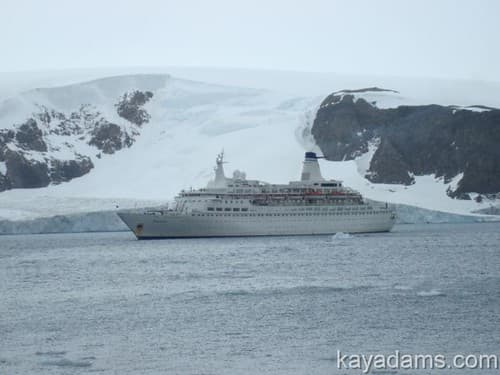
Cuverville Island Beach is reached exclusively via expedition cruise ships operating Antarctic Peninsula itineraries. Most cruises depart from Ushuaia, Argentina, involving a two-day Drake Passage crossing. Once in the region, passengers transfer to Zodiac inflatable boats for landings on the pebble beach. Cuverville Island is among the most frequently visited sites on standard Antarctic Peninsula routes due to its accessibility and gentoo penguin populations. There are no airports, ports, or independent access methods. All visits require Antarctic Treaty permits.
Cuverville Island has no hotels, restaurants, or any permanent facilities. It is a protected Antarctic wilderness area visited only by expedition cruise passengers. All accommodation and dining services are provided aboard the expedition ship, which serves as your floating base. Ships offer various comfort levels from adventure-style to luxury, all with full board included. There are no shops, amenities, or infrastructure ashore. Some operators offer optional camping experiences on the ice, fully supported by ship resources. All waste must be removed per Antarctic Treaty protocols.
Cuverville Island Beach is home to one of the largest gentoo penguin colonies on the Antarctic Peninsula, with thousands of breeding pairs. The accessible pebble beaches provide ideal nesting sites, making it a premier location for observing penguin behavior including nesting, feeding, and chick-rearing. The dramatic backdrop of glaciers and mountains makes it highly photogenic. The colony's size and accessibility have made it a classic stop on Antarctic itineraries. Visitors can observe penguin highways between the beach and feeding grounds while maintaining required 5-meter distances.