Counting the waves…
Counting the waves…

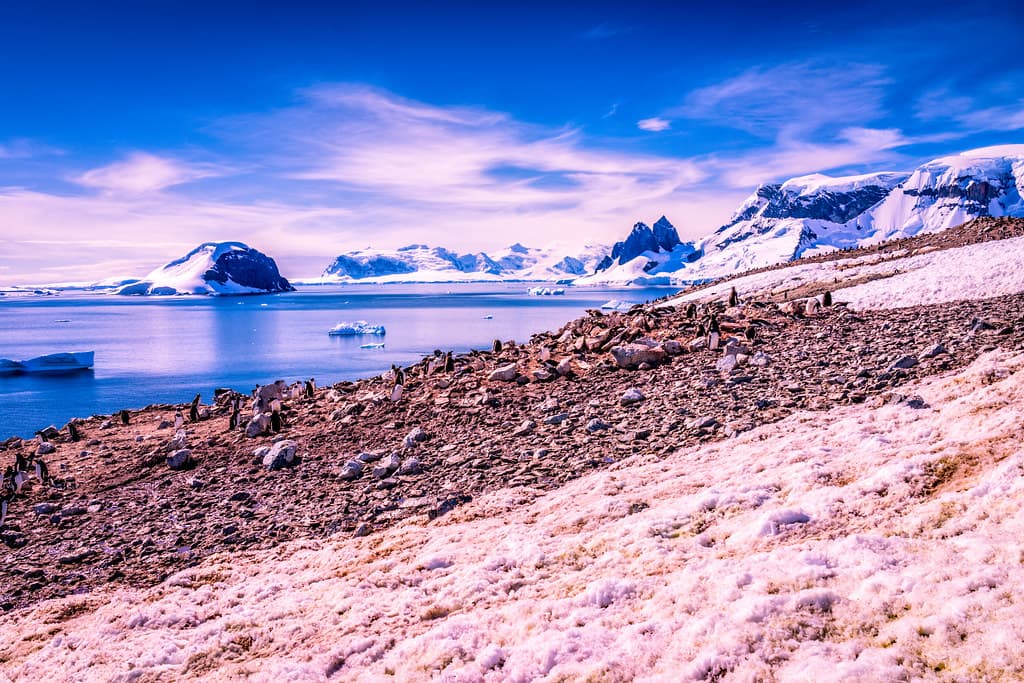
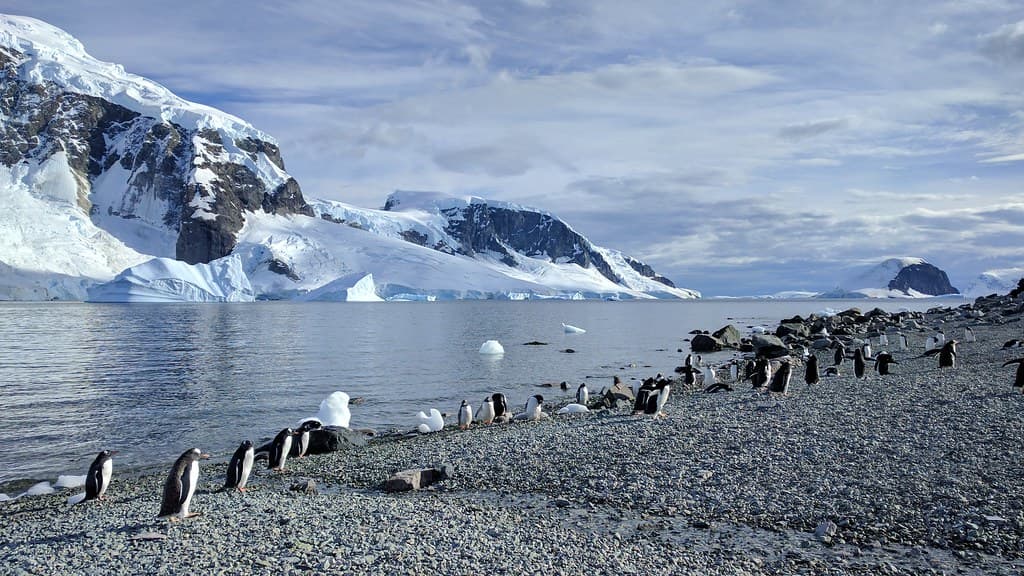
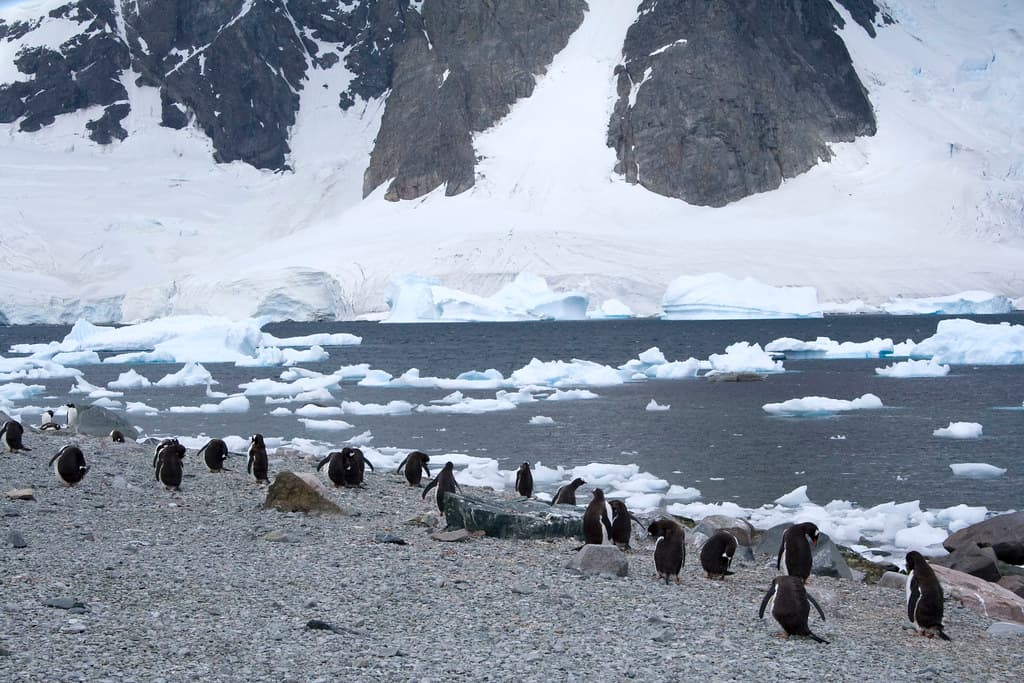
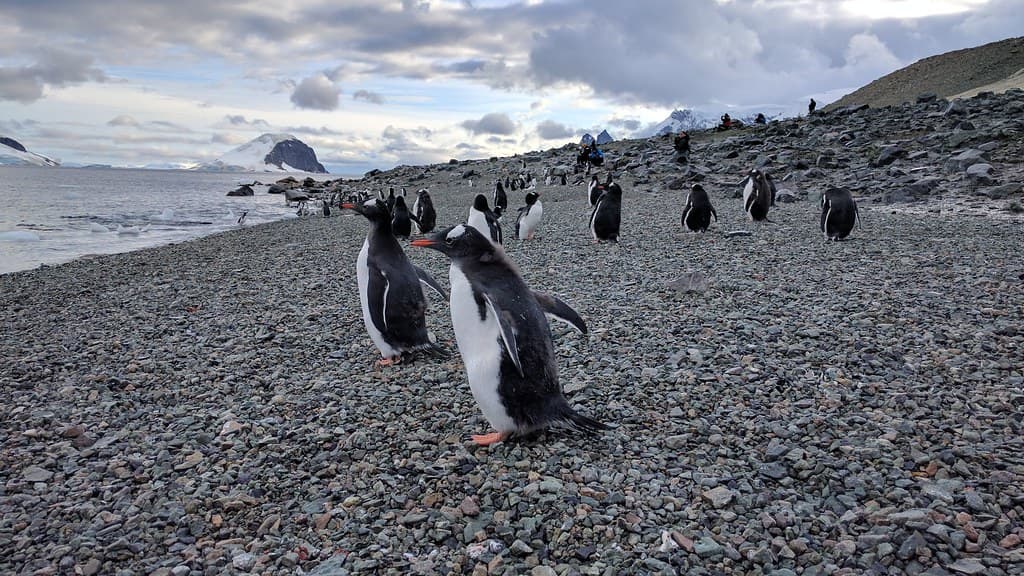
The beach at Danco Island is not a beach in any temperate sense—no sand castles, no umbrellas, just a narrow crescent of black and grey pebbles wedged between the Southern Ocean and a steep, snow-blanketed ridge. You arrive by inflatable boat, timing your landing between swells, and the moment your boot touches stone, the smell hits: a pungent mix of penguin colony and brine that somehow feels honest, unfiltered. Gentoos stream up and down their pink-stained highways, beaks full of pebbles for nest-building, wholly unconcerned by your presence. Above the rookery, a footpath traced by expedition leaders winds uphill, each step crunching through compacted snow. The climb rewards you with a panorama of Errera Channel: sapphire water striped with brash ice, glaciers spilling from unnamed peaks, and the occasional leopard seal lounging on a floe. The wind here is relentless, tugging at your hood, carrying the distant crack of calving ice. You're allowed perhaps an hour ashore—Antarctic Protocol limits human impact—so every minute feels weighted. You crouch beside a nesting gentoo, watch her shift an egg with her beak, and realize the cold no longer registers. Just the rhythm of waves on pebbles, the chatter of penguins, and the knowledge that fewer people will stand on this beach this year than visit a single city block back home.
Places, rentals, tours and events within walking and driving distance of Danco Island Beach.
Photos
Swimming at Danco Island Beach is extremely dangerous and not recommended. Water temperatures hover just above freezing, causing rapid hypothermia. Some expedition cruises offer optional polar plunges under supervised conditions with immediate medical support, but these are brief, controlled activities. Most visitors explore the pebble beach on foot during guided landings. The primary hazards include extreme cold, unpredictable weather, and wildlife disturbance concerns. All beach activities must comply with Antarctic Treaty guidelines and maintain minimum distances from penguins.
The optimal visiting window for Danco Island Beach is November through March during the Antarctic summer. Peak season is December to February, offering relatively milder temperatures (around 0-2°C), up to 20 hours of daylight, and active penguin colonies. November features pristine snow and courting penguins, while January-February showcases chicks. March offers fewer crowds but some penguin colonies begin dispersing. Weather is unpredictable year-round, and landings depend on sea ice, wind, and wave conditions determined day-by-day.
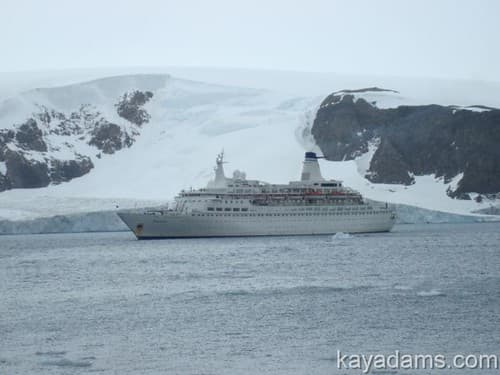
Danco Island Beach is accessible exclusively via expedition cruise ships that navigate the Antarctic Peninsula. Cruises typically depart from Ushuaia, Argentina, requiring a two-day Drake Passage crossing. Once in Antarctic waters, visitors transfer to Zodiac boats for wet landings on the pebble beach. Danco Island is a popular stop on many itineraries due to its accessibility and penguin colonies. There are no airports, permanent docks, or independent travel options. All visits require Antarctic Treaty permits managed by tour operators.
There are no accommodation or dining facilities at or near Danco Island Beach. This is a protected wilderness area with no permanent human habitation or infrastructure. All visitors stay aboard their expedition cruise ship, which serves as the floating hotel and restaurant. Ships range from small adventure vessels to larger expedition cruises, all providing full board. Some operators offer optional camping experiences on the Antarctic ice, fully supported by ship facilities. All provisions must be brought aboard and waste removed.
Danco Island Beach is renowned for its large gentoo penguin colony, making it a highlight for wildlife viewing. Visitors can observe penguins nesting, feeding chicks (in season), and commuting between the beach and feeding grounds. The island also hosts occasional Weddell seals resting on shore. Surrounding waters may reveal humpback whales, minke whales, and leopard seals. Skuas and other seabirds nest nearby. Antarctic Treaty regulations require maintaining 5-meter distances from wildlife, though penguins often approach visitors curiously on their own.