Counting the waves…
Counting the waves…

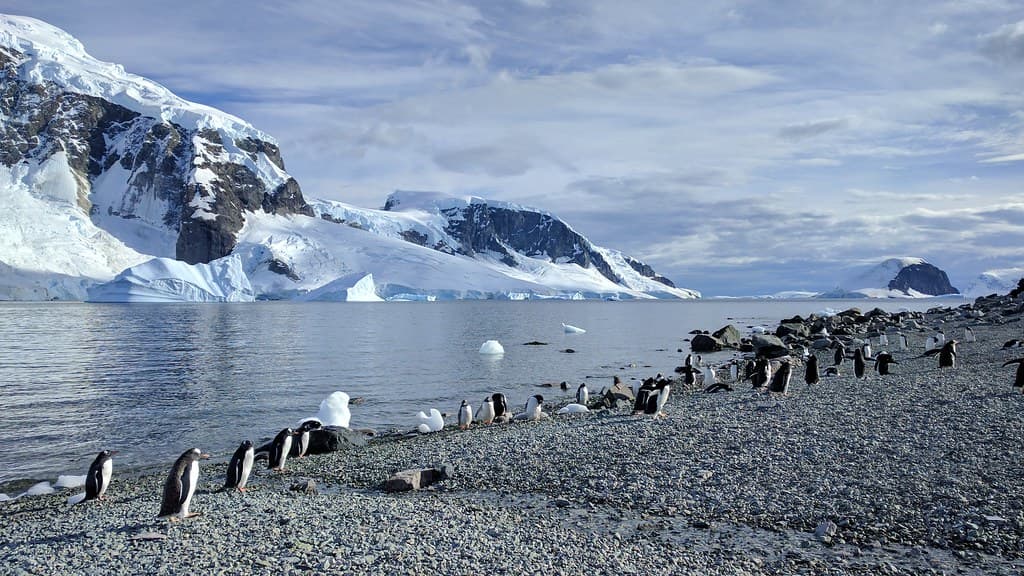
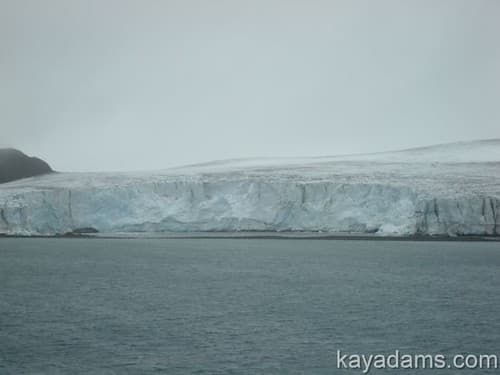
You step from the inflatable onto stones smoothed by millennia of ice, each footfall announcing your arrival with a hollow clatter that carries across the bay. Neko Harbor sits in a cirque carved by the glacier that dominates the eastern skyline—a river of blue-white ice that periodically sheds house-sized chunks into water so frigid it steams against the comparatively warmer air. The beach itself stretches barely two hundred meters, hemmed by vertical rock faces striped with snow. Gentoo penguins have claimed the slopes above the tideline, their highways worn into the snowpack like toboggan runs. You'll share the narrow strand with researchers monitoring the colony, expedition leaders scanning for leopard seals, and perhaps two dozen other visitors whose ships anchor in the protected waters. The rules are strict: stay fifteen feet from wildlife, don't stray from marked routes, take nothing but photographs. The glacier commands attention. You'll hear it before movement registers—deep cracks like distant thunder, then the slow-motion collapse of ice towers into the bay. Waves from the calving events reach shore minutes later, rearranging pebbles with surprising force. Behind you, the Zodiac waits, engine idling, because weather in the Gerlache Strait changes in minutes and no landing is guaranteed to last.
Places, rentals, tours and events within walking and driving distance of Neko Harbor Beach.
Photos
Swimming at Neko Harbor Beach is extremely dangerous and strictly prohibited. Water temperatures hover around freezing year-round, causing fatal hypothermia within minutes. The beach serves as a landing area for wildlife viewing and glacier photography, not water activities. Massive glaciers calve regularly, creating sudden waves and ice debris hazards. Visitors must stay in designated areas supervised by expedition guides following Antarctic Treaty protocols. Gentoo penguins nest throughout the area, requiring careful navigation to avoid disturbing colonies. Weather changes rapidly, and all activities prioritize visitor safety and environmental protection. Proper insulated waterproof clothing and boots are essential for zodiac landings.
Neko Harbor is accessible during Antarctic summer from November through March, with December to February offering optimal conditions. Temperatures range from -2°C to 5°C with extended daylight hours perfect for photography and wildlife observation. December brings courting penguins and spectacular glacier calving, while January-February offers warmer conditions and active penguin chicks. Early season (November) has pristine snow but colder weather; late season (February-March) sees milder temperatures but some wildlife begins migrating. The harbor's mainland location provides unique continental glacier access. Sea ice and weather always affect landing feasibility, requiring flexible expedition schedules.
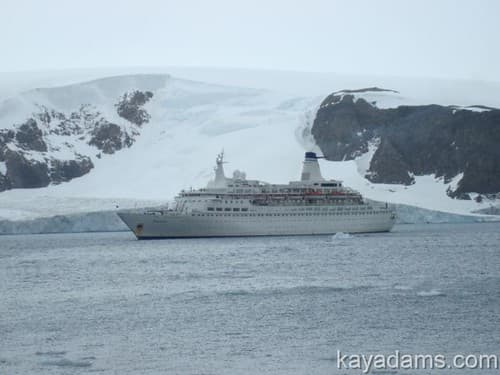
Neko Harbor is accessible only through expedition cruise ships departing from Ushuaia, Argentina. Vessels cross the Drake Passage (approximately 2 days) then navigate the Gerlache Strait along the Antarctic Peninsula's west coast. Ships anchor in the bay, and passengers use zodiac boats for wet landings on the pebble beach. Neko Harbor appears on most Antarctic Peninsula itineraries due to its mainland location and glacier scenery, but landings depend on weather, ice conditions, and permits. Typical voyages last 10-12 days total. Independent travel is impossible; visitors must join certified polar expedition operators adhering to Antarctic Treaty regulations.
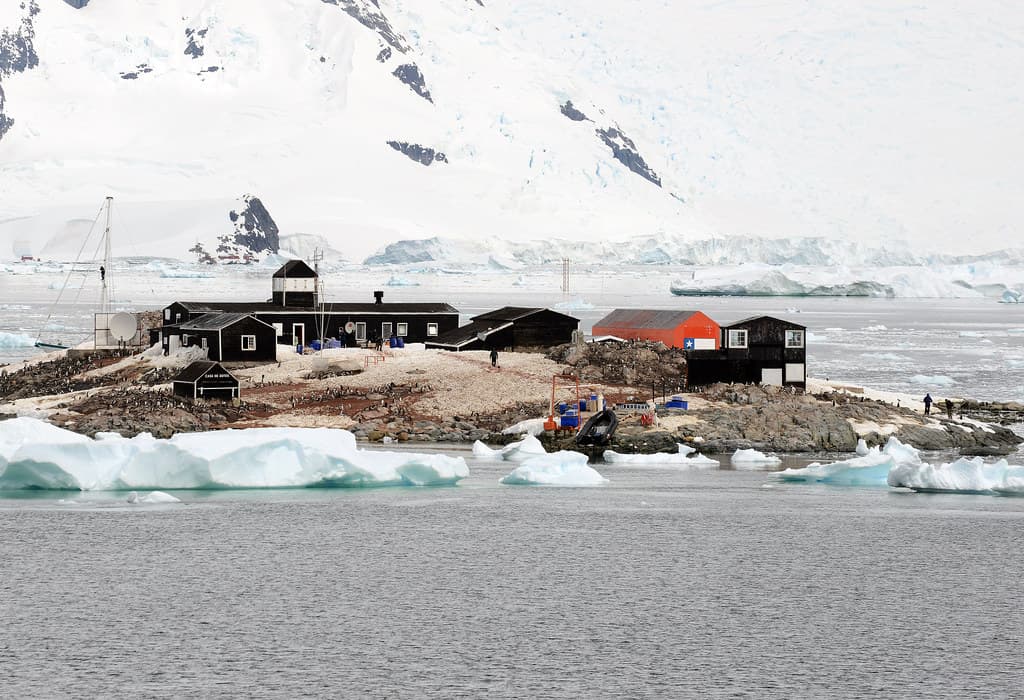
Neko Harbor has no facilities, food services, or accommodations of any kind. This is pristine Antarctic wilderness without infrastructure. All lodging, meals, and amenities are provided aboard your expedition cruise ship, which serves as your floating hotel. Shore visits typically last 1-3 hours for hiking viewpoints, observing penguin colonies, and photographing glaciers before returning to the vessel. Under the Antarctic Treaty, no permanent structures or commercial development are permitted. The beach is completely undeveloped. Some expeditions offer camping experiences on Antarctic shores, but these require specialized equipment and occur at designated sites with full expedition support.
Neko Harbor is one of the few landing sites on the Antarctic continent itself, rather than offshore islands, offering a true mainland experience. The setting is spectacularly photogenic with massive tidewater glaciers calving directly into the harbor, creating dramatic ice falls and thunderous sounds. A moderate hike up the snowy hill provides breathtaking 360-degree views of the glacier, bay, and surrounding peaks. Large gentoo penguin colonies nest across the slopes, often walking past visitors. The combination of accessible mainland landing, active glaciers, rewarding viewpoint hikes, abundant wildlife, and protected anchorage makes Neko Harbor a highlight of virtually every Antarctic Peninsula expedition.