Counting the waves…
Counting the waves…

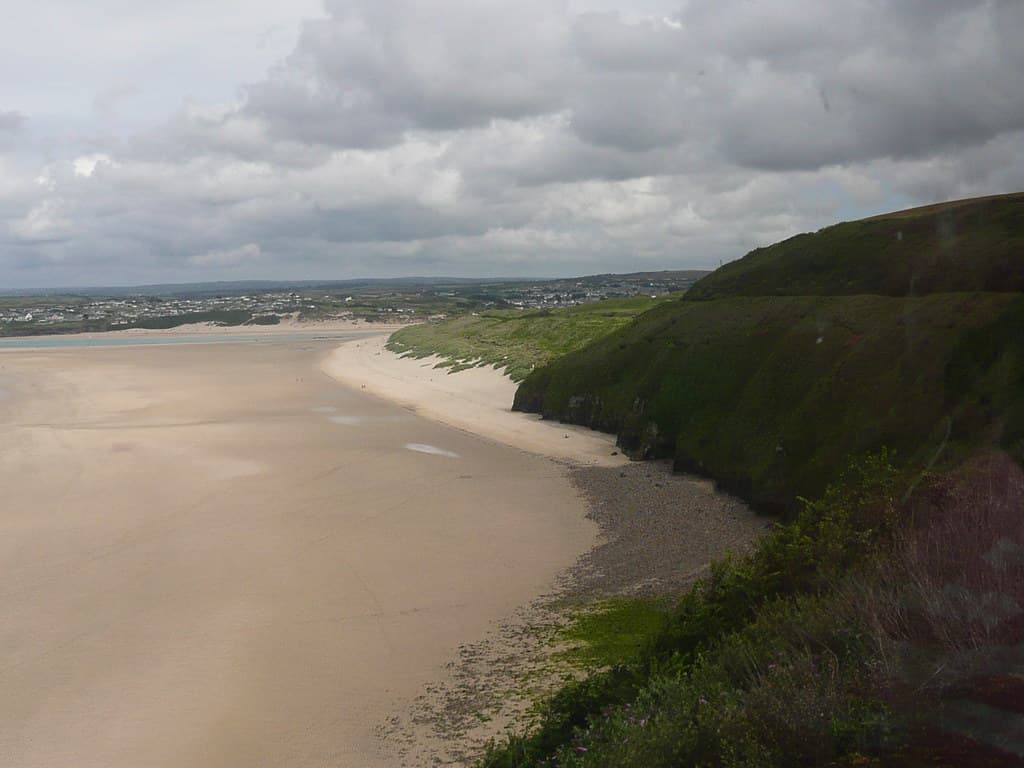
Port Louis Beach stretches along the northern coast of East Falkland, where the sheltered waters of Berkeley Sound meet land that once held France's tentative foothold in these latitudes. You walk across blonde sand scattered with smooth pebbles, the ruins of Louis Antoine de Bougainville's settlement standing silent watch just inland. The wind here never truly stops—it shapes the tussock grass into waves that mirror the sea, and it brings with it the calls of upland geese and the occasional Magellanic penguin waddling between colonies. The water stays cold year-round, hovering around 5°C even in the austral summer, but the beach offers something rarer than warm swimming: solitude measured in square miles. You might spot a Sea Lion hauled out on the rocks at the harbor's edge, or watch caracaras patrol the wrack line for anything edible the tide has delivered. The settlement cemetery nearby holds graves dating to the 1840s, their inscriptions worn smooth by decades of Antarctic winds. Timing your visit between November and March gives you the longest daylight and the least chance of horizontal rain, though even summer days here demand layers. The beach faces north, catching what little warmth the sun offers at 51 degrees south, and on rare calm evenings the light turns the water bronze while shadows stretch across sand that has cradled shipwreck survivors, sealers, and dreamers for two and a half centuries.
Places, rentals, tours and events within walking and driving distance of Port Louis Beach.
Photos
Swimming at Port Louis Beach is not advisable due to water temperatures that rarely exceed 9°C, even in summer. The beach's northern East Falkland location means exposure to cold currents and unpredictable weather. While the settlement area offers some shelter, undertows and currents can be dangerous. Most visitors enjoy the beach for walking, historical exploration, and wildlife watching rather than water activities. If you choose to wade, wear appropriate footwear for rocky areas and never venture deep. Always check weather and tide conditions, and inform others of your beach plans for safety.
The ideal time to visit Port Louis Beach is during the Falklands summer months from November to March, when daylight is longest and temperatures mildest, ranging from 8-15°C. This period offers the best conditions for exploring both the beach and nearby historic Port Louis settlement, the Falklands' first capital. Wildlife is most active during breeding season (November-January), adding interest to your visit. February and March see fewer tourists while still maintaining decent weather. Pack windproof and waterproof clothing year-round, as coastal conditions change rapidly regardless of season.
Port Louis Beach is located at the historic Port Louis settlement in northern East Falkland, accessible by road from Stanley. The journey requires a 4WD vehicle due to rough, unpaved tracks, taking approximately 1.5-2 hours depending on conditions. You can rent suitable vehicles in Stanley or join organized tours that include Port Louis on historical or wildlife itineraries. The route passes through typical Falklands countryside with potential wildlife sightings. Always carry navigation tools, emergency supplies, and inform your accommodation of travel plans, as this is a remote area with no mobile coverage.
Port Louis is an uninhabited historic settlement with no accommodation, restaurants, or facilities. Visitors must base themselves in Stanley and make a day trip, bringing all necessary supplies including food, beverages, and warm layers. The nearest services are in Stanley, about two hours away by vehicle. Pack a comprehensive picnic and emergency supplies, as weather can delay return travel. There are no toilets or shelters, so plan accordingly. The remote nature is part of the appeal, offering solitude and connection with Falklands history, but requires complete self-sufficiency.
Port Louis Beach is located at the site of the Falkland Islands' first permanent settlement, established by the French in 1764 as Port Saint Louis. The area later became the first British capital before Stanley. Visitors can explore ruins including the original stone foundations, an 1842 cemetery with historic graves, and remnants of early settlement structures. This beach combines coastal beauty with tangible historical connections, making it unique among Falklands beaches. The quiet, undeveloped setting helps visitors imagine early colonial life. Interpretive information is limited, so researching history beforehand enhances appreciation of this significant site.