Counting the waves…
Counting the waves…

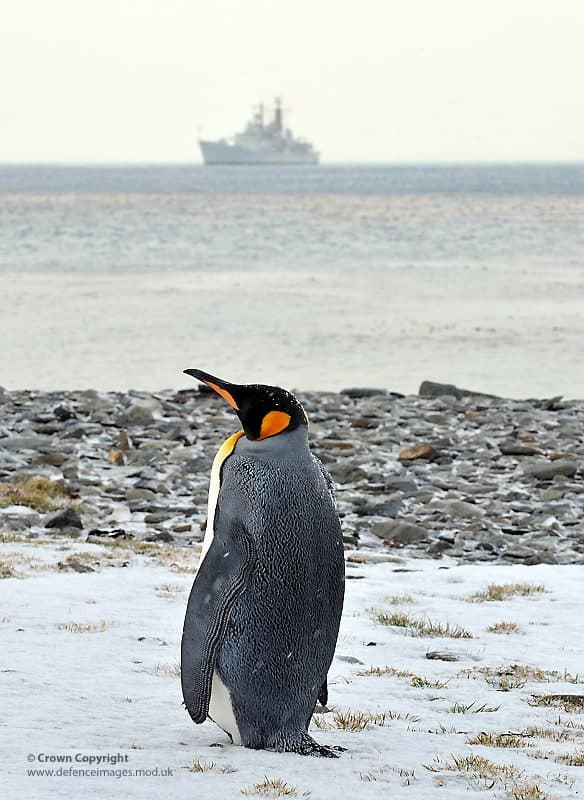
The stones shift under your boots with each step, a persistent rattle that mingles with the guttural calls of fur seals hauled out along the tideline. Penguin River Beach sprawls beneath the rust-streaked remnants of South Georgia's whaling era, where flensing platforms and oil tanks stand skeletal against slopes patched with tussock grass. The water is gunmetal gray, flecked with brash ice drifting in from glaciers you can see calving in slow motion across Cumberland Bay. You won't swim here—the Southern Ocean hovers near freezing year-round—but you'll crouch low to photograph king penguins waddling past in unhurried columns, their orange throat patches vivid against the monochrome shore. Skuas patrol overhead. The wind carries brine and guano, and occasionally the sweet-rot smell of kelp piled high after storms. Most expedition ships anchor here during the austral summer, November through March, when daylight stretches past midnight and wildlife activity peaks. Grytviken's museum and cemetery sit a short walk inland, where you'll find whalers' graves and Ernest Shackleton's final resting place. But the beach itself belongs to the animals. You share it on their terms, stepping wide around territorial bulls and yielding the right-of-way to penguins threading between cobbles worn smooth by centuries of swells rolling up from the Scotia Sea.
Places, rentals, tours and events within walking and driving distance of Penguin River Beach.
Photos
Swimming is unsafe due to frigid water temperatures near 0-2°C year-round that cause rapid hypothermia. Coastal currents and unpredictable weather add further risk. Wildlife including seals can be territorial and dangerous if approached or surprised. No lifeguards, rescue equipment, or medical facilities are present. The beach's proximity to Grytviken doesn't make it safer for water activities. Visitors should stay dry, wear appropriate cold-weather gear, and maintain respectful distances from all wildlife. Follow your expedition guide's safety instructions carefully.
Visit during the Antarctic summer from November to March when conditions are most favourable. December through February provides the warmest temperatures (generally 0-6°C), longest daylight, and peak wildlife activity including penguins and seals. Grytviken's research station operates year-round, but tourist vessels visit almost exclusively during summer months. Weather remains highly changeable with frequent wind, rain, and occasional snow even in peak season. Early summer offers more snow-covered landscapes while late summer provides better whale-watching opportunities offshore.
Access is via expedition cruise ships that include South Georgia in their itineraries, typically sailing from Ushuaia, Argentina. The journey takes 2-3 days across the Southern Ocean. Ships anchor in Cumberland Bay near Grytviken, and passengers travel to Penguin River Beach by Zodiac boat. Some visitors may walk from Grytviken if their ship lands there and conditions permit, though distances and terrain require guidance. No airports serve South Georgia; all access is by sea. Landings depend on weather and sea conditions.
Penguin River Beach itself has no facilities whatsoever. Nearby Grytviken, a former whaling station, has a small research station, museum, church, and post office open when cruise ships visit, but no hotels or restaurants. All visitor accommodation and meals are provided aboard expedition cruise vessels. The research station houses a handful of scientists but offers no tourist lodging. Basic toilet facilities may be available at Grytviken during visits. Visitors must be entirely self-sufficient, with ships providing all necessary amenities and supplies.
Penguin River Beach's proximity to Grytviken provides a unique combination of wildlife viewing and human history. Unlike completely remote beaches, visitors can experience both pristine nature and the historic whaling station, museum, and Shackleton's grave within walking distance. The beach offers excellent opportunities to observe king penguins, elephant seals, and fur seals against a backdrop of historic structures. Wildlife naturally migrates along this coastal area, creating concentrated viewing opportunities. This accessibility makes it more frequently visited while maintaining authentic Antarctic wilderness character.