Counting the waves…
Counting the waves…

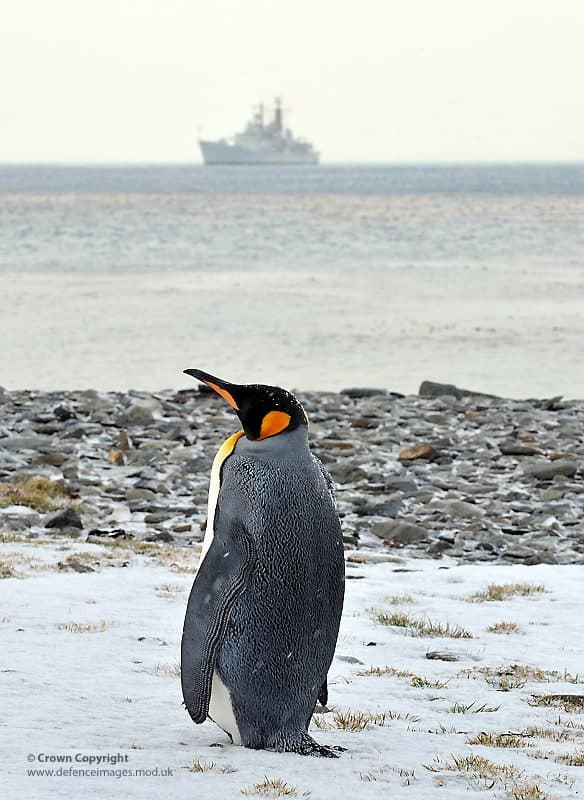
Maiviken Beach curves along a shallow cove three kilometres west of Grytviken, where the South Atlantic collides with the Antarctic Convergence. You walk on millions of rounded stones, each one smoothed by centuries of polar storms, while elephant seals the size of station wagons lounge in muddy wallows just beyond the tide line. The air carries brine, wet kelp, and the faint musk of penguin colonies nesting on nearby headlands. Behind you, the abandoned Grytviken whaling station—Shackleton's final port—stands silent, its red-roofed church and rusting tryworks a jarring monument to human ambition in a landscape that tolerates no permanence. Reindeer imported by Norwegian whalers a century ago still graze the slopes above the beach, their antlers silhouetted against glaciers that calve house-sized icebergs into Cumberland Bay. You'll share this shore with no lifeguards, no vendors, no umbrellas—only expedition ships anchored offshore and Zodiacs ferrying researchers from the British Antarctic Survey station. The water hovers just above freezing; your visit here is measured in hours, not days, dictated by ship schedules and weather windows that can slam shut without warning. Yet Maiviken rewards those who reach it with a sensory overload no tropical beach can match: the percussion of stones under every footfall, the bass rumble of a bull seal defending territory, the metallic taste of Antarctic air in your lungs. You stand at the bottom of the world, exactly where earth stops being habitable and starts being heroic.
Places, rentals, tours and events within walking and driving distance of Maiviken Beach.
Photos
Swimming at Maiviken Beach is extremely dangerous and not recommended under any circumstances. Water temperatures remain near freezing year-round, causing rapid hypothermia within minutes of immersion. The beach is frequented by potentially aggressive fur seals and elephant seals, particularly during breeding seasons when they become territorial. Strong winds and sudden weather changes create additional hazards. Visitors should maintain safe distances from all wildlife, stay on designated paths, and wear appropriate cold-weather gear. Focus on wildlife observation and photography rather than water activities.
The ideal visiting period is during the austral summer from November through March, when expedition cruises operate and conditions are relatively milder. December and January provide the best weather with longer daylight hours and peak wildlife activity including breeding seabirds and seals. Temperatures rarely exceed 10°C even in summer, and weather remains unpredictable with possible snow or rain any time. The beach's proximity to Grytviken makes it accessible during standard South Georgia cruise itineraries. Always prepare for rapidly changing sub-Antarctic conditions.
Access to Maiviken Beach requires joining an expedition cruise to South Georgia, typically departing from Ushuaia, Argentina, or occasionally the Falkland Islands. After a challenging two-day ocean crossing, visitors land via Zodiac boats from anchored cruise ships. Maiviken lies within walking distance of Grytviken, making it accessible during extended shore visits. Some expeditions offer guided hikes from Grytviken to Maiviken. All landings require permits and must be coordinated through licensed tour operators. Independent travel to South Georgia is not possible for tourists.
Maiviken Beach has no tourist facilities, restaurants, or accommodation. All visitor services are provided aboard expedition cruise ships that serve as floating hotels. The nearby Grytviken settlement, approximately one kilometer away, contains a research station and museum but no lodging or dining for tourists. Visitors typically spend a few hours exploring the beach and surrounding areas during organized shore excursions before returning to their ship. Bring water and snacks from your vessel, though consumption ashore may be restricted to protect the pristine environment.
Maiviken Beach offers excellent wildlife viewing opportunities in a relatively accessible location near Grytviken. Common sightings include Antarctic fur seals and southern elephant seals resting on the pebble beach. Various seabirds frequent the area, including petrels, skuas, and occasionally penguins. The surrounding grasslands may host South Georgia pipits, the world's most southerly songbird. Seasonal variations affect wildlife presence, with breeding seasons bringing increased activity. Always maintain minimum approach distances as required by Antarctic Treaty regulations and follow expedition guide instructions to avoid disturbing animals.