Counting the waves…
Counting the waves…

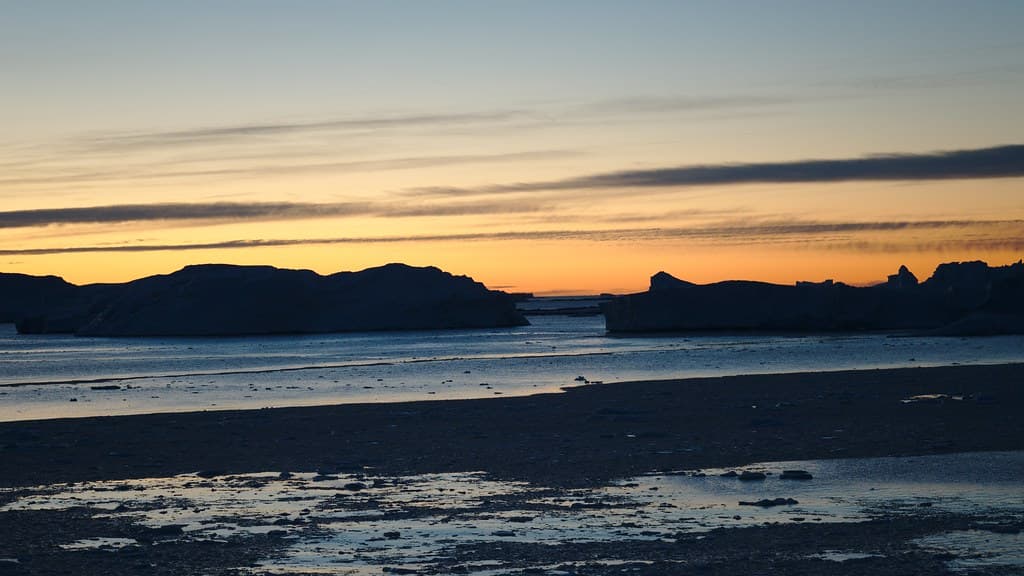
The shore at Horseshoe Island curves like a clenched fist, its pebbles worn smooth by Antarctic surf that grinds through the Marguerite Bay channel. You'll land via Zodiac—there's no other way—and feel the cold radiating up through your waterproof boots as you step onto stones ranging from graphite-gray to rust-orange. The abandoned British Base Y squats fifty meters inland, its red paint peeling in long strips, a reminder that humans can visit this place but never truly belong. The beach itself is a working shoreline: elephant seals haul out on the larger rocks, their bulk forming living boulders; skuas patrol for scraps; and the constant scrape of ice against pebble provides a rhythm older than any expedition. Walk east and you'll find tidewater marks fifteen feet high, evidence of storms that reshape this coast with indifference. The air smells of guano, salt, and something mineral—the scent of a continent that's never been tamed. Most expedition ships anchor here for three hours, enough time to tour the hut where men catalogued weather patterns through the polar night, then wander the beach collecting images of a landscape that feels both primordial and strangely industrial. The water stays just above freezing year-round; no one swims. You come here to stand at the edge of the habitable world and understand what "remote" actually means.
Places, rentals, tours and events within walking and driving distance of Horseshoe Island Beach.
Photos
Swimming at Horseshoe Island Beach is unsafe and strongly discouraged. Antarctic waters maintain temperatures between -2°C and 2°C throughout the year, which can cause immediate cold shock, rapid hypothermia, and loss of muscle control within minutes of immersion. The remote location means emergency medical assistance is extremely limited. Even accidental falls into the water require immediate rescue and warming. Visitors should maintain safe distances from the water's edge, as pebble beaches can be slippery and unstable near the waterline, especially with ice present.
Visit Horseshoe Island Beach during the Antarctic summer from late November to early March, with January and February offering the most stable conditions. During these months, average temperatures range from -5°C to 3°C, and continuous daylight facilitates safe navigation and zodiac landings. Sea ice is at its minimum extent, improving accessibility. This period also aligns with wildlife breeding seasons. Weather remains highly variable, and all Antarctic visits depend on real-time conditions. Early and late season visits may encounter more ice and limited daylight hours.
Reaching Horseshoe Island Beach requires booking passage on a specialized Antarctic expedition cruise that includes this remote destination in its itinerary. Ships typically depart from Ushuaia, Argentina, requiring several days of sailing through the Drake Passage and along the Antarctic Peninsula. Access to the beach itself is via zodiac boat from the anchored vessel. Not all Antarctic cruises visit Horseshoe Island due to its southern location and challenging ice conditions. Landing permits and adherence to Antarctic Treaty protocols are mandatory for all visits.
No permanent food or accommodation facilities exist on Horseshoe Island. All visitors are accommodated on expedition cruise ships that serve as floating hotels and restaurants. The historic British research station (Base Y) on the island has been abandoned since 1960 and is preserved as a historic site but is not habitable. Shore visits are brief, typically lasting 1-3 hours, with all meals and services provided aboard ship. Visitors should expect no amenities on land and must carry any personal items needed during shore excursions.
Horseshoe Island Beach is distinguished by its connection to Antarctic exploration history, notably the abandoned British Base Y research station, which operated during the 1950s and served southern expedition routes. The island's horseshoe shape creates a naturally protected bay, offering stunning glacial views and often calmer landing conditions. Historic artifacts and preserved station buildings provide tangible links to early Antarctic research. The remote location south along the Peninsula means fewer tourist vessels visit, offering a more pristine experience. Wildlife sightings often include seals and various penguin species.