Counting the waves…
Counting the waves…

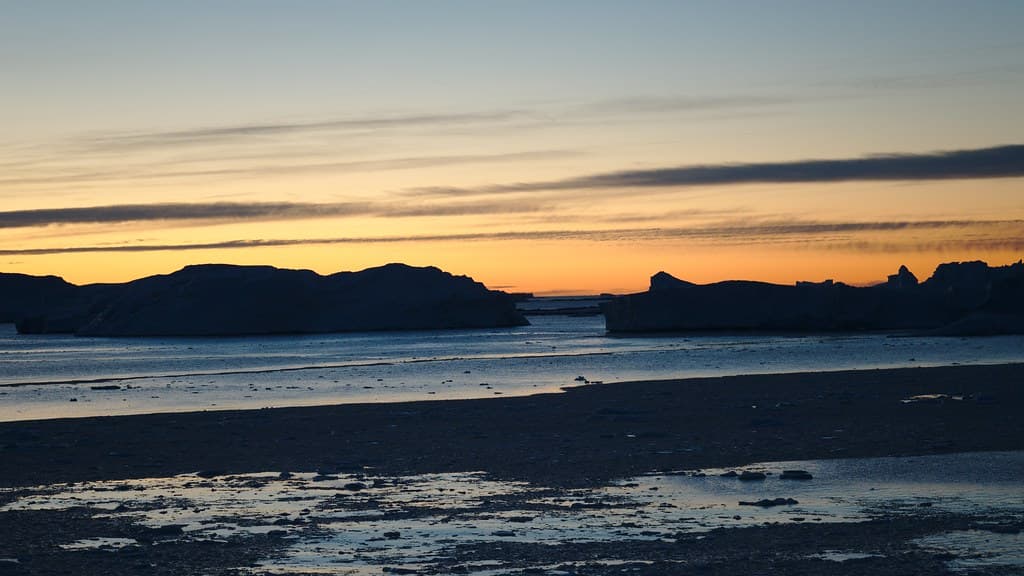
The pebble beach at Base San Martín stretches along Marguerite Bay's western shore, a study in monochrome punctuated by the crimson buildings of Argentina's year-round research station. Your boots crunch over smooth cobbles—metamorphic rock ground fine by glaciers, then tumbled by winter storms into egg-shaped ovals that shift and clatter with each Southern Ocean swell. The air tastes metallic and clean, carrying the ammonia tang of nearby penguin colonies and the iodine breath of kelp beds exposed at low tide. This is no leisurely beach visit. You arrive by expedition vessel, transferring via inflatable Zodiac through brash ice and kelp forests, timing your landing between swells. The station, established in 1951, perches on the rocky headland above—a working scientific base where glaciologists and biologists conduct research in one of Earth's harshest environments. Elephant seals haul out on the upper beach, their bulk leaving deep impressions in the stones, while Antarctic terns dive for krill in the shallows. The landscape shifts hourly. Morning fog might shroud the mountains across Barry Island; by afternoon, cathedral light breaks through to illuminate tabular icebergs grounded in the bay. You watch Weddell seals surface in leads between ice floes, their whiskers beaded with seawater. The base coastline exists at the threshold between human presence and absolute wilderness—a place where expeditions are measured not in hours but in weather windows, and the beach itself becomes a front-row seat to Antarctica's raw, unfiltered power.
Places, rentals, tours and events within walking and driving distance of Playa Base San Martín.
Photos
Swimming at Playa Base San Martín is hazardous and not recommended for recreational purposes. Water temperatures hover near freezing year-round, and immersion without specialized thermal protection leads to hypothermia within minutes. The remote location means emergency medical facilities are extremely limited. If participating in an organized polar plunge as part of an expedition cruise, ensure proper supervision, safety protocols, and immediate access to warming facilities are in place. Most visitors simply walk along the pebble beach while wearing expedition-grade cold-weather clothing.
The optimal visiting period is during the Antarctic summer from December through February when daylight is extended and weather conditions are most stable. This narrow window coincides with when expedition cruises operate in the region. January typically offers the best balance of accessible sea ice, active wildlife, and relatively milder temperatures, though conditions remain harsh by global standards. Weather in western Antarctica is notoriously unpredictable, so flexibility is essential. Earlier or later in the season may offer fewer crowds but more challenging ice conditions.
Access to Playa Base San Martín requires participation in a specialized Antarctic expedition cruise, as the remote western Antarctic location precludes independent travel. Most voyages depart from Ushuaia, Argentina, or occasionally Punta Arenas, Chile, aboard ice-strengthened vessels. The journey involves crossing the Drake Passage and navigating through sea ice, which can take several days. Actual beach landings occur via zodiac boats when conditions permit. Access is never guaranteed due to extreme weather, ice coverage, and strict environmental protection regulations governing Antarctic visitation.
No commercial accommodations or dining facilities exist at Playa Base San Martín. The Argentine research station serves scientific personnel exclusively and is not open for tourist stays. All visitors rely entirely on their expedition cruise ship for lodging, meals, and amenities. Ships provide heated cabins, dining rooms with full meal service, and common areas. Shore excursions are day visits only, typically lasting a few hours before returning to the vessel. The remoteness demands complete self-sufficiency, with ships carrying all necessary provisions for the entire journey.
Playa Base San Martín holds significant historical and exploration importance as one of Argentina's longest-operating Antarctic research stations, established in 1951. Its remote western Antarctic location offers access to rarely visited coastlines with pristine wilderness and exceptional scientific value. The pebble beach provides dramatic views of the Bellingshausen Sea region and surrounding glacial landscapes. Visitors may learn about historic Antarctic expeditions and current research programs. The area's extreme remoteness and geographic rarity make it a highlight for serious Antarctic travelers seeking off-the-beaten-path destinations with genuine expedition character.