Counting the waves…
Counting the waves…
A refined fusion of water purity, environmental stability, and communal vibrancy for Almirante Brown Beach.
View MethodologyAnalyzed via live sensors and environmental data.
Wave height, wind, and atmospheric stability.
Live footfall and crowd balance metrics.
Community reviews and curated sentiment.
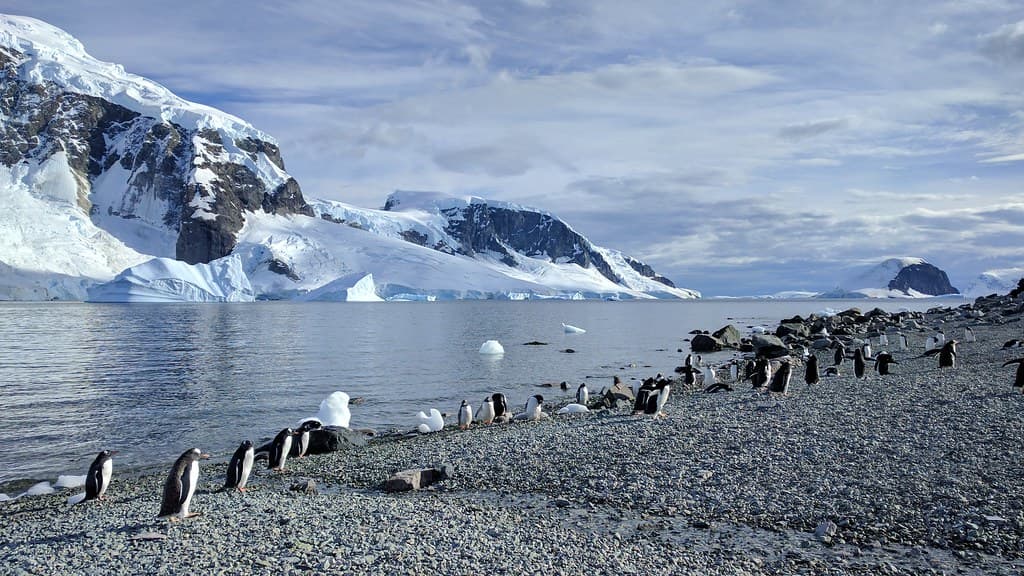
“You'll feel the crunch of volcanic stones underfoot as you step onto a beach where icebergs the size of apartment blocks drift past a crimson-painted hut. Gentoo penguins waddle between your boots and the tide line,…”
Limited recent visitor reports — live OBI telemetry is your best guide for current conditions.
The Zodiac cuts its engine fifty yards from shore, and you wade the last stretch through water so cold it turns your shins to wood. Dark pebbles shift and clack beneath your rubber boots—a beach composed of volcanic debris, polished smooth by centuries of glacial melt and storm surge. Above the tide line, the abandoned Argentine station stands like a weathered sentinel, its stilts and corrugated walls oxidized to the color of dried blood against fields of snow.
This is Paradise Harbor at its most elemental: no sand, no palms, no illusion of warmth. Gentoo colonies claim the slopes behind the station, their guano streaks painting abstract lines down the hillside. Icebergs calve from the surrounding glaciers with sounds like distant thunder, sending ripples across the harbor that lap at your feet minutes later. The air tastes of salt and something older—minerals scraped from bedrock, carried here on rivers of ice.
 Credit: Unsplash
a sandy beach with a body of water in the background
 Credit: Unsplash
sea waves crashing on shore during daytime
Rust against ice tells stories
Harbor views above penguin colonies
Blue-veined bergs drift past shore
Prime Visitation
Best Weather | Less Crowds
Where it is
Almirante Brown Beach
Paradise Harbor, Antártida e Islas del Atlántico Sur, Argentina
-64.895600°, -62.870800°
Weather
Loading…
Swell
—
Temp
Warm · Restorative
UV Index
Moderate
Wind
—
Tidal State
Last known
Max Sunlight
—
Ideal Shade
—
Jan - Dec (Peak)
Mar - Nov (Off-season)
Best Weather | Less Crowds
Select a category to load nearby places.
Unlock restaurants, luxury stays and curated maritime experiences within 2km
Swimming at Almirante Brown Beach is unsafe and prohibited. Antarctic waters maintain temperatures around 0°C year-round, causing hypothermia within minutes of immersion. The beach serves as a zodiac landing site for visiting the abandoned research station and glacier viewpoints, not for water activities. Visitors must follow designated paths to protect fragile moss beds and nesting seabirds. Glacier calving nearby creates sudden waves and floating ice hazards. All landings require certified expedition guide supervision under Antarctic Treaty regulations. Proper polar gear including waterproof boots is mandatory. Wildlife including seals may be present, requiring mandatory safe distances.
Paradise Harbor and Almirante Brown are accessible November through March during Antarctic summer. December to February offers the best conditions with temperatures from -2°C to 8°C and nearly 24-hour daylight. December brings courting penguins and pristine snow, ideal for photography. January-February provides warmer weather, active penguin chicks, and calmer seas. November and March have fewer cruise ships but colder conditions and less wildlife activity. The harbor's protected location often allows landings when other sites are weather-affected, but glacier ice and Antarctic storms can still prevent access. Flexible expedition itineraries accommodate variable conditions.
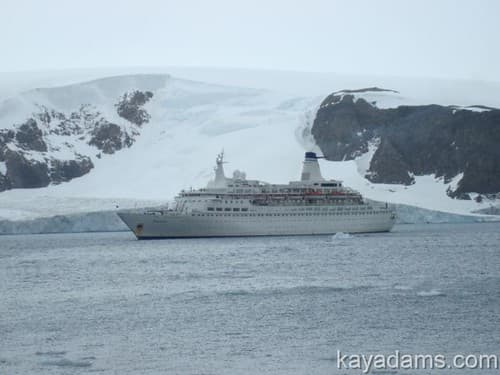
Almirante Brown is reached exclusively via expedition cruise ships departing from Ushuaia, Argentina. After crossing the Drake Passage (1.5-2 days), vessels navigate the Gerlache Strait to Paradise Harbor on the Antarctic Peninsula's west coast. Ships anchor in the harbor, and passengers transfer to zodiac boats for landings on the pebble beach. Paradise Harbor is featured on most Antarctic Peninsula itineraries due to its spectacular scenery and protected anchorage, though landings depend on weather and ice conditions. Typical expeditions last 10-12 days total. Independent access is impossible; visitors must join certified polar expedition operators.
No food, lodging, or facilities exist at Almirante Brown Beach. The Argentinian research station was abandoned in the 1980s and now serves as a historic site without services. All accommodation, meals, and amenities are provided aboard your expedition cruise ship. Shore visits typically last 1-3 hours for hiking viewpoints and exploring the station ruins before returning to the vessel. Under the Antarctic Treaty, no commercial development is permitted. Some expeditions offer optional camping experiences on Antarctic shores using specialized equipment, but these occur at designated sites with full expedition support. Your ship remains your base throughout.
Almirante Brown offers one of Antarctica's most rewarding short hikes, climbing the hill behind the abandoned station for panoramic views over Paradise Harbor's glacier-filled bay. The site provides exceptional photography with calving glaciers, mirror-like waters reflecting mountains, and ice formations. The rusted red buildings of the former research station create striking composition against snow and ice. Gentoo penguin colonies nest nearby, and Weddell seals often haul out on the beach. The protected harbor location means landings succeed more frequently than exposed sites. The combination of accessible hiking, dramatic scenery, wildlife, and historic ruins makes this a highlight of Peninsula expeditions.
Photos