Counting the waves…
Counting the waves…
A refined fusion of water purity, environmental stability, and communal vibrancy for Rosita Harbour Beach.
View MethodologyAnalyzed via live sensors and environmental data.
Wave height, wind, and atmospheric stability.
Live footfall and crowd balance metrics.
Community reviews and curated sentiment.
“You arrive by Zodiac into a harbor ringed by tussock grass and glacial headlands, the stones clicking underfoot as Antarctic fur seals watch from kelp-strewn tidelines. The wind carries brine and the faint ammonia of a…”
Limited recent visitor reports — live OBI telemetry is your best guide for current conditions.
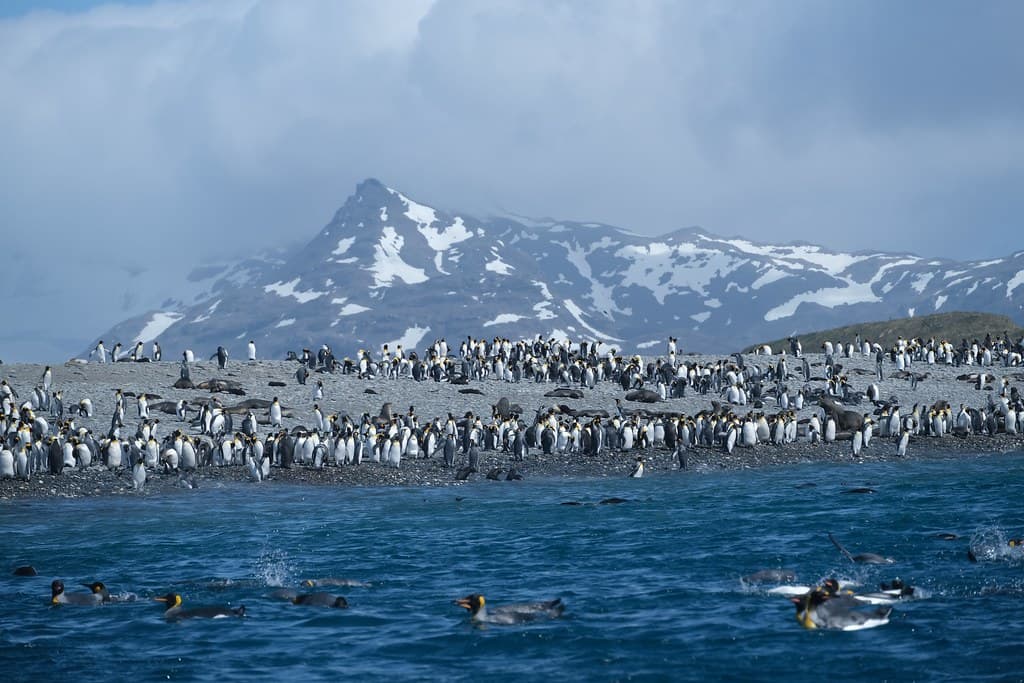
Rosita Harbour sits tucked into South Georgia's northwest coast, accessible only by small boat from expedition vessels threading the island's wild perimeter. You step from the inflatable onto smooth, wave-worn pebbles that shift and clatter with each footfall, their surfaces slick with spray. Behind the beach, slopes of bronze tussock grass climb toward snow-patched ridges, while offshore the water churns slate-gray under shifting light.
This is not a place for lingering in swimwear. The beach serves as a landing point for exploring the harbor's wildlife corridors—fur seals haul out on kelp beds at the waterline, and elephant seals rest like boulders farther up the strand. You'll walk carefully, giving wide berth to nursing mothers and territorial bulls. The air smells of salt, seaweed, and the musky tang of pinniped colonies. Skuas wheel overhead, and if you're patient, you might spot a South Georgia pipit, the world's most southerly songbird, foraging in the coastal vegetation.
 Credit: Unsplash
a sandy beach with a body of water in the background
 Credit: Unsplash
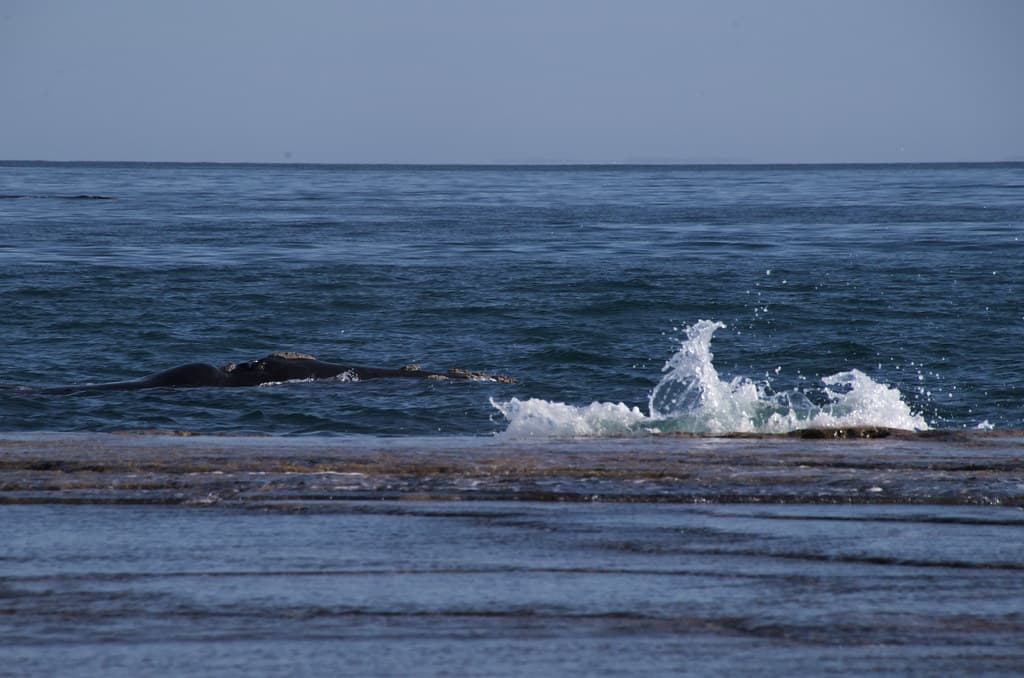
sea waves crashing on shore during daytime
Pups play in kelp beds
Watch for South Georgia pipits
Snow-patched ridges frame the harbor
Prime Visitation
Best Weather | Less Crowds
Where it is
Rosita Harbour Beach
Rosita Harbour, Antártida e Islas del Atlántico Sur, Argentina
-54.011900°, -37.465800°
Weather
Loading…
Swell
—
Temp
Warm · Restorative
UV Index
Moderate
Wind
—
Tidal State
Last known
Max Sunlight
—
Ideal Shade
—
Jan - Dec (Peak)
Mar - Nov (Off-season)
Best Weather | Less Crowds
Select a category to load nearby places.
Unlock restaurants, luxury stays and curated maritime experiences within 2km
Swimming is not advisable at Rosita Harbour Beach due to dangerously cold sub-Antarctic waters that remain near freezing temperatures year-round. Immersion without specialized cold-water equipment risks rapid hypothermia. The beach serves as a wildlife observation and landing site rather than a recreational swimming destination. Visitors should be cautious around potentially aggressive wildlife, particularly fur seals which can move surprisingly quickly. Weather conditions can deteriorate rapidly, creating additional hazards. All beach activities should follow expedition leader guidelines, and visitors should never approach the waterline without understanding the risks involved.
Visit between November and March during South Georgia's summer season when expedition cruises operate and weather is most favorable. Peak wildlife viewing occurs December through February when seals breed and penguins raise chicks. November and March offer fewer expedition vessels and smaller crowds, though some wildlife activity may be reduced. South Georgia's weather is notoriously unpredictable regardless of season, with strong winds and sudden storms common. All landings are weather-dependent and determined by expedition leaders on the day. Ice conditions and sea state significantly affect landing feasibility at this remote northwest coast location.
Rosita Harbour Beach is accessible exclusively via expedition cruise ship with Zodiac boat transfers to shore. Ships typically depart from Ushuaia, Argentina, or the Falkland Islands, requiring approximately two days crossing the Southern Ocean to reach South Georgia. Rosita Harbour is a less-visited location on the remote northwest coast, so not all South Georgia itineraries include it. No independent travel, commercial flights, or regular boat services exist. All landings require permits from South Georgia authorities and depend entirely on favorable weather and sea conditions assessed by your expedition team.
No accommodations, restaurants, or any tourist facilities exist at Rosita Harbour or anywhere nearby on South Georgia's remote northwest coast. All visitors stay aboard their expedition cruise vessels, which provide comprehensive meal service and lodging. Shore visits are brief excursions, typically two to four hours, with visitors returning to the ship for all needs. No permanent settlements, research stations, or infrastructure exist in this area. Visitors cannot purchase supplies or access services of any kind. Expedition ships are entirely self-sufficient, carrying everything needed for the voyage and shore excursions.
Rosita Harbour Beach offers a more remote and less-visited experience than popular South Georgia sites like Salisbury Plain or Gold Harbour. The protected harbour setting on the northwest coast provides sheltered waters and dramatic mountain backdrops. Wildlife viewing remains excellent with potential sightings of fur seals, elephant seals, and various seabirds in a less-crowded environment. The remote location means pristine conditions and a stronger sense of wilderness exploration. Weather permitting, the harbour's relative shelter can allow landings when more exposed beaches are inaccessible, making it valuable for flexible expedition itineraries.
Photos