Counting the waves…
Counting the waves…
A refined fusion of water purity, environmental stability, and communal vibrancy for Moltke Harbour Beach.
View MethodologyAnalyzed via live sensors and environmental data.
Wave height, wind, and atmospheric stability.
Live footfall and crowd balance metrics.
Community reviews and curated sentiment.
“You step from the Zodiac onto rounded stones, and the cold air fills your lungs with salt and kelp. Around you, Royal Bay's glacial headlands rise into mist while king penguins waddle past indifferent to your camera.…”
Limited recent visitor reports — live OBI telemetry is your best guide for current conditions.
Moltke Harbour Beach curves along the inner edge of Royal Bay, a sheltered pocket where grey pebbles slope toward the Southern Ocean and the constant wind dies to whispers. You arrive by boat—there are no roads on South Georgia, only the tracks of fur seals and the occasional human footprint left by expedition cruisers. The stones beneath your boots are smooth, polished by centuries of glacial melt and tidal churn. Behind you, the Ross Glacier calves quietly into the bay; ahead, tussock grass bends under gusts that carry the briny musk of seal colonies.
The beach itself feels less discovered than borrowed. Elephant seals sprawl along the wrack line, their bulk forcing you to navigate carefully between sleeping tons of blubber and exhaled breath that steams in the Antarctic air. King penguins congregate in small groups, their gold-and-orange plumage stark against monochrome stone. There is no cafe, no lifeguard tower, no painted wooden sign—only the raw geometry of rock, ice, and restless water.
 Credit: Unsplash
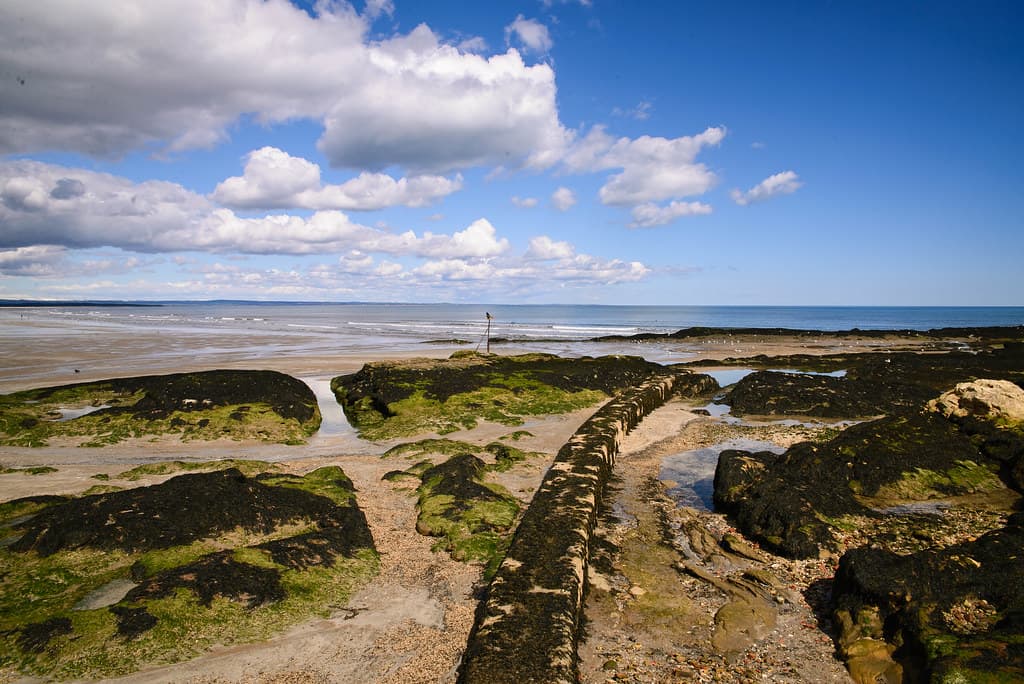
a sandy beach with a body of water in the background
 Credit: Unsplash
sea waves crashing on shore during daytime
Frame molting chicks against glaciers
Shore walks past seal wallows
Bulls sparring at tide line
Prime Visitation
Best Weather | Less Crowds
Where it is
Moltke Harbour Beach
Royal Bay, Antártida e Islas del Atlántico Sur, Argentina
-54.521600°, -36.058400°
Weather
Loading…
Swell
—
Temp
Warm · Restorative
UV Index
Moderate
Wind
—
Tidal State
Last known
Max Sunlight
—
Ideal Shade
—
Jan - Dec (Peak)
Mar - Nov (Off-season)
Best Weather | Less Crowds
Select a category to load nearby places.
Unlock restaurants, luxury stays and curated maritime experiences within 2km
Swimming is unsafe and strongly discouraged. Water temperatures hover near freezing year-round, causing rapid hypothermia within minutes of immersion. Strong currents and unpredictable weather create additional hazards. The beach lacks any rescue infrastructure or medical facilities. Visitors should stay dry and maintain appropriate distance from the water. Wildlife, including elephant seals and fur seals, can be aggressive if approached. Always follow your expedition guide's safety protocols and remain vigilant of changing weather conditions.
Visit during the Antarctic summer months from November to March when conditions are most favourable and wildlife is abundant. December through February provides the warmest temperatures (typically 0-7°C) and longest daylight for exploration and photography. This period coincides with peak wildlife breeding seasons. Weather remains highly variable even in summer, with sudden storms possible. Most expedition cruises operate exclusively during these months. Early season visitors may encounter more snow, while late season offers better chances of whale sightings.
Access requires booking passage on an expedition cruise ship that includes South Georgia in its itinerary. Ships typically depart from Ushuaia, Argentina, with 2-3 days sailing across the Drake Passage and Southern Ocean. Within Royal Bay, passengers transfer via Zodiac inflatable boats from the anchored ship to the beach. Landings depend entirely on weather and sea conditions, which can change rapidly. There are no airports, roads, or permanent settlements. Only experienced polar expedition vessels operate in these waters.
Moltke Harbour Beach is completely undeveloped wilderness with absolutely no facilities. There are no buildings, toilets, shelters, or services of any kind. Your expedition cruise ship provides all accommodation, meals, heating, and amenities. Visitors go ashore for limited periods during organized excursions and must return to the vessel. No overnight camping is permitted without special authorization. The nearest permanent infrastructure is at Grytviken research station, miles away across challenging terrain. Come prepared for entirely self-contained expedition travel.
Moltke Harbour offers exceptional shelter within the larger Royal Bay system, creating calmer landing conditions when other Royal Bay beaches are inaccessible. This sheltered position attracts concentrations of wildlife seeking protected areas. The harbour's geography provides unique perspectives of the surrounding mountain peaks and glaciers. Its relative obscurity means fewer expedition groups visit compared to the main Royal Bay beach, offering more solitude. The combination of protected waters and dramatic Antarctic scenery creates outstanding photographic opportunities in a pristine setting.
Photos