

Counting the waves…
Counting the waves…

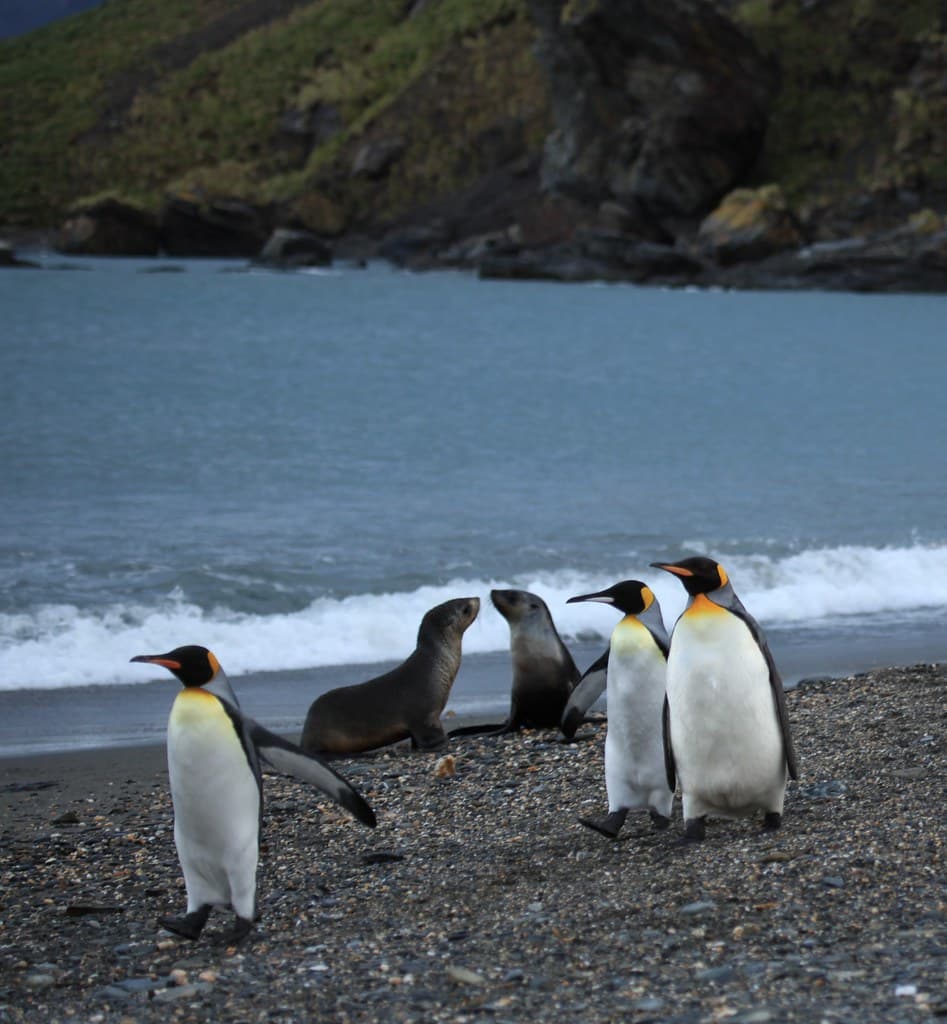
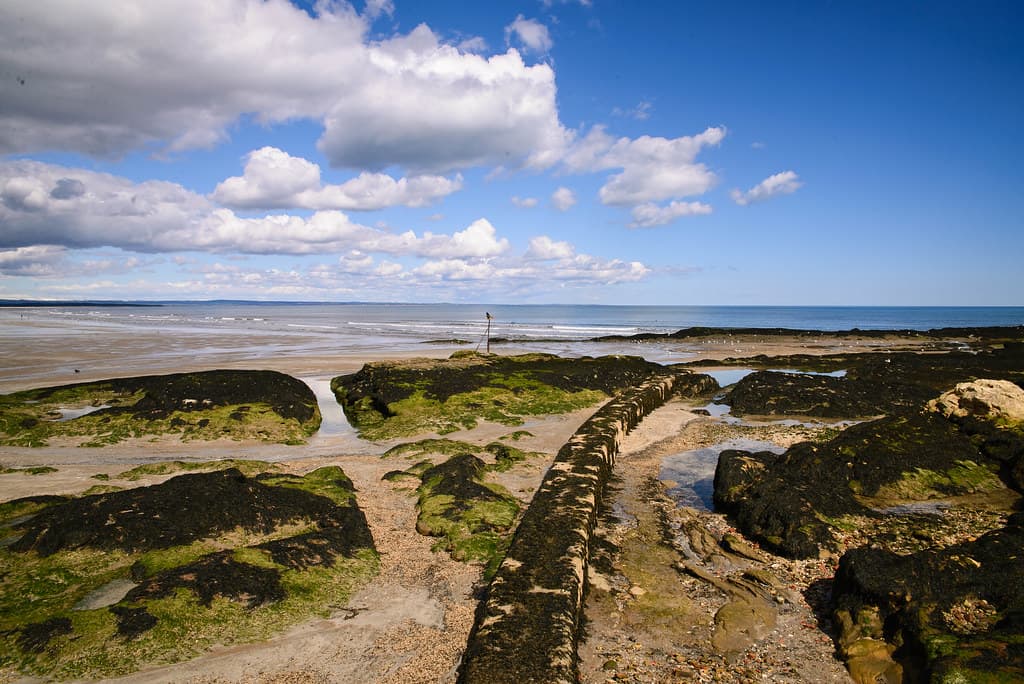
Royal Bay curves along South Georgia's southeastern coast, a three-mile crescent of gray and rust-colored pebbles where the Hindle Valley spills into the sea. You arrive by Zodiac, timing the swell as you crunch ashore amid one of the island's densest concentrations of wildlife—upward of sixty thousand king penguins cluster here during breeding season, their trumpeting calls echoing off the Allardyce Range that rises in white-fanged rows behind the beach. Your boots sink slightly into the stones as you navigate between elephant seal harems. Bulls weighing three tons exhale with bellows that vibrate through your ribs. Skuas wheel overhead, scanning for unguarded chicks. The glaciers—Ross, Hindle, Heaney—hang like frozen waterfalls above valleys carved during the last ice age, their meltwater braiding across the beach in icy rivulets you hop across. Ernest Shackleton never landed here, but his contemporaries did, hunting seals and rendering whale blubber in tryworks whose rusted remnants still dot the wrack line. No roads reach Royal Bay; no buildings stand. You're twenty-six hundred miles from the nearest city, alone with seabirds, pinnipeds, and mountains that seem to breathe with the advancing glaciers. The light changes every ten minutes—pewter clouds, sudden shafts of gold, sleet that stings your cheeks—and you understand why early explorers called this the most beautiful bay on the island.
Places, rentals, tours and events within walking and driving distance of Royal Bay Beach.
Photos
Swimming is extremely dangerous and not advisable. Antarctic waters at Royal Bay remain near freezing year-round, causing hypothermia within minutes. Strong coastal currents and unpredictable wave action pose additional risks. The beach is frequented by large wildlife including elephant seals and aggressive fur seals that can be dangerous if disturbed. No lifeguards, rescue services, or medical facilities exist. Visitors should remain on dry land, maintain safe distances from water and wildlife, and dress warmly in layered, waterproof clothing.
The optimal visiting period is November through March during the Antarctic summer when weather is most stable and wildlife activity peaks. December to February offers the mildest temperatures (typically 1-8°C) and maximum daylight hours for photography and exploration. King penguin colonies are most active during this window, and elephant seals can be observed breeding. Weather remains unpredictable even in summer with frequent wind and rain. Expedition cruises operate almost exclusively during these months when sea ice permits access.
Royal Bay Beach is accessible only via expedition cruise ships specializing in sub-Antarctic voyages. Most depart from Ushuaia, Argentina, requiring approximately 2-4 days sailing across the Southern Ocean to reach South Georgia. From the anchored vessel, passengers transfer to shore using Zodiac boats, conditions permitting. Landings are entirely weather-dependent and may be cancelled due to high seas or wind. No airports, roads, or regular transport services exist. Booking with reputable polar expedition operators months in advance is essential.
Royal Bay Beach has zero infrastructure; all accommodation and dining occur aboard your expedition cruise vessel. Ships provide heated cabins, restaurants, and full amenities for the multi-day journey. No hotels, restaurants, campsites, or shops exist anywhere in Royal Bay or the surrounding wilderness. Shore visits are temporary excursions lasting a few hours before returning to the ship. Independent travel or camping requires extraordinary permits and polar survival expertise. The nearest research station with basic facilities is at Grytviken, accessible only by sea.
Royal Bay Beach offers one of South Georgia's most spectacular combinations of massive king penguin colonies, elephant seal populations, and dramatic mountain backdrops including glaciated peaks. The bay's historical significance includes Captain Cook's landing in 1775. The beach's expansive pebble shoreline provides excellent wildlife viewing opportunities with mountains rising directly behind, creating exceptional photographic compositions. Its relative accessibility compared to more remote South Georgia beaches means more expedition ships include it, yet it remains pristine wilderness. The scale and diversity of wildlife is remarkable.