Counting the waves…
Counting the waves…

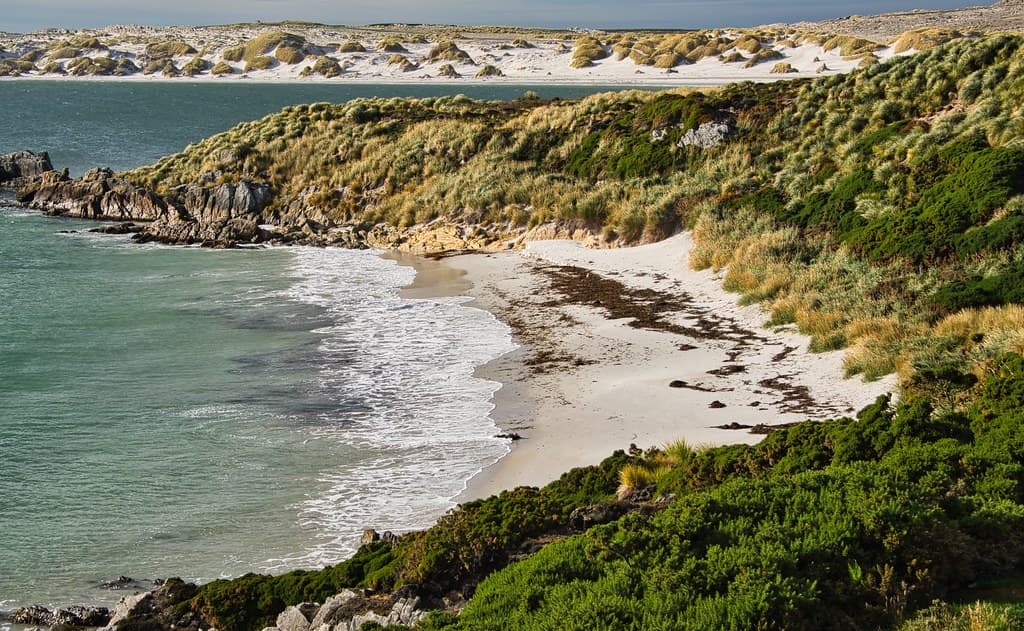
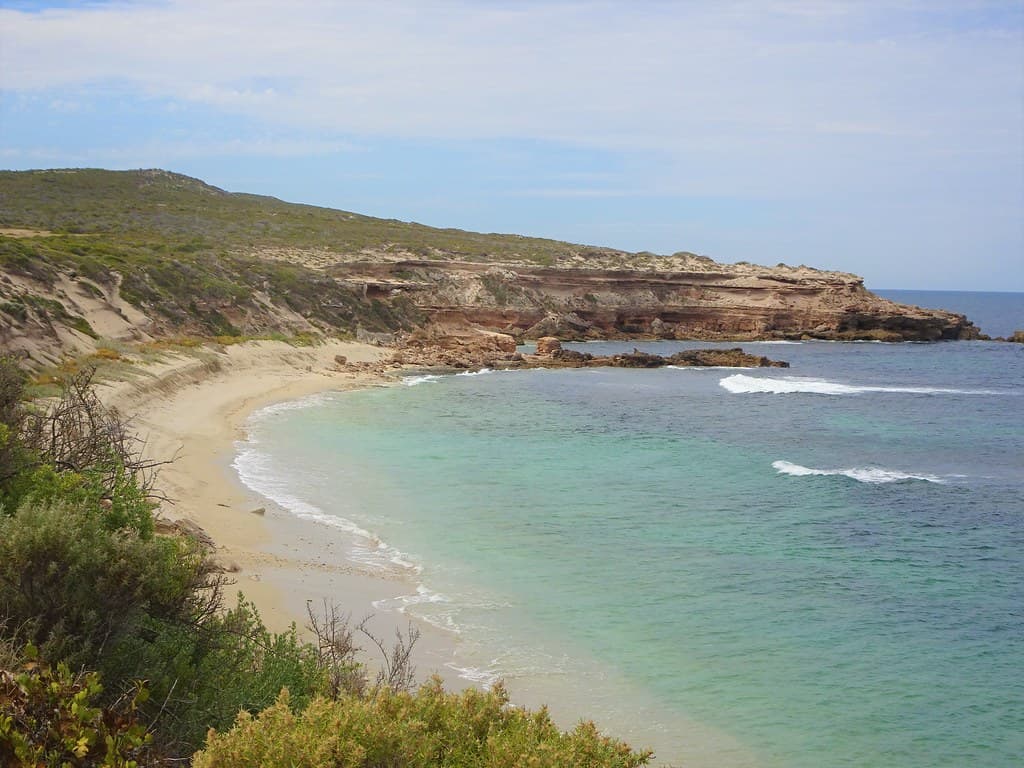
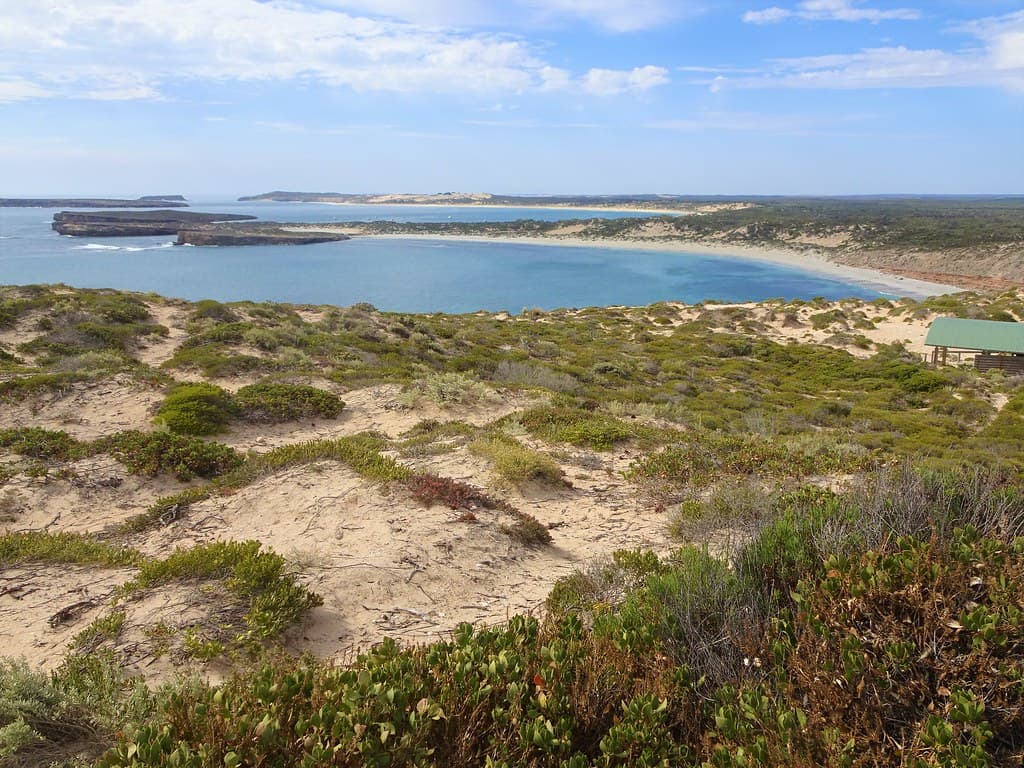
The walk from Stanley's waterfront to Yorke Bay takes twenty minutes along a paved road that curves past shipwrecks rusting in Sparrow Cove, but most visitors hitch a ride or rent a Land Rover for the bumpy track beyond town. The beach unfolds in a shallow arc, its sand so white it glows under the chronic overcast, backed by tussock grass that bends horizontal in the wind. This is not a place for sunbathing—temperatures rarely crack sixty degrees Fahrenheit—but the wildlife spectacle more than compensates. Magellanic penguins nest in burrows along the low bluffs from September through March, waddling across the beach to fish in the kelp forests offshore. Upland geese graze the dunes, and if you're patient, you might spot a peregrine falcon stooping on prey. The water is shockingly clear, revealing forests of giant kelp swaying in the surge, though only the hardiest swimmers brave the forty-five-degree water even in midsummer. Timing matters here. Visit at low tide to explore tide pools teeming with limpets and anemones, or come at dawn when the penguins march to sea in comical battalions. The wind never stops—pack layers and a windbreaker—but on rare calm evenings, the bay turns glassy and the light lingers past ten o'clock, painting the Murrell Peninsula gold.
Places, rentals, tours and events within walking and driving distance of Yorke Bay.
Photos
Swimming at Yorke Bay is generally not recommended due to extremely cold water temperatures year-round, typically between 2-8°C. The strong currents and unpredictable South Atlantic weather also pose safety concerns. Most visitors come for coastal walks and wildlife observation rather than water activities. If you do enter the water, wear appropriate thermal protection and never swim alone. Always check local conditions and heed any posted warnings before attempting any water-based activities.
The best time to visit Yorke Bay is during the Falklands summer season from November to March, when temperatures are milder (averaging 10-15°C) and daylight hours are longest. December through February offers the best weather conditions with less wind and more sunshine. Wildlife is particularly active during these months. Visit during weekdays or early mornings for fewer crowds, though visitor numbers are generally modest year-round given the remote location.
Yorke Bay is located approximately 5 kilometers east of Stanley town center and is accessible by road. You can drive, cycle, or walk along the coastal road, with the journey taking roughly 10-15 minutes by car or about an hour on foot. Some visitors rent vehicles in Stanley, while others join organized tours. The road is generally well-maintained but can be affected by weather conditions. There's parking available near the beach access point.
Yorke Bay itself has no on-site facilities, restaurants, or accommodation. Visitors should plan to bring all necessary food, water, and supplies from Stanley, which offers several guesthouses, hotels, and restaurants catering to tourists. Pack a picnic and dress in layers for changing weather conditions. Stanley has grocery stores and cafes where you can stock up before your visit. Most travelers use Stanley as their base and make Yorke Bay a day trip destination.
Yorke Bay is renowned for wildlife observation opportunities, particularly seabirds and marine mammals. Visitors frequently spot Gentoo and Magellanic penguins along the shoreline, especially during breeding season. Seals often haul out on the beaches, and various seabird species including skuas and kelp gulls are common. The white sandy environment provides excellent photographic backdrops for wildlife encounters. Always maintain respectful distances from animals and follow Falkland Islands wildlife viewing guidelines to avoid disturbing natural behaviors.