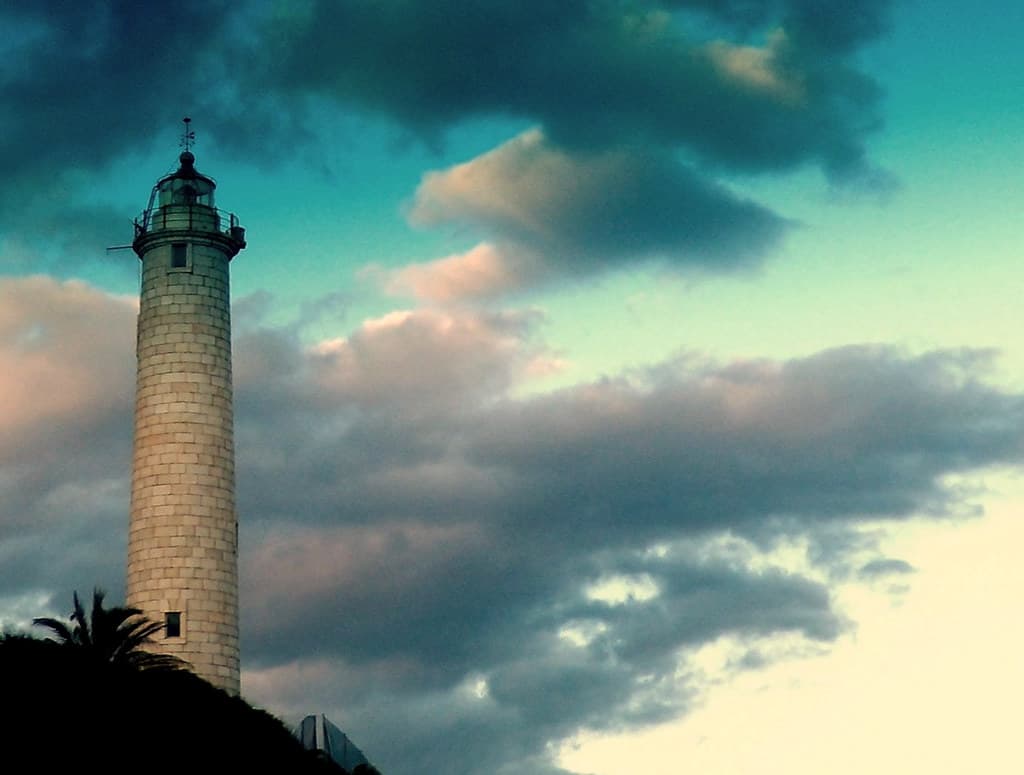
Counting the waves…
Counting the waves…

You reach Playa Arroyo Jabalí by following rutted sand roads that branch off Route 3 south of San Blas, past estancias where cattle graze on coastal scrub. The beach reveals itself gradually: first the glint of the arroyo threading through dunes, then the broad sweep of sand stretching toward Isla Jabalí, a low hump of land that shifts between island and peninsula depending on the tide. The water here refuses drama—no crashing surf, just the patient lap of wavelets against your shins as you ford the creek mouth. This is terrain shaped by negotiation between ocean and estuary. Shallow channels meander across the beach, depositing mats of eel grass and polished shell fragments. At low tide, sandbars emerge like stepping stones, and children build dams with their hands while adults scan the tideline for razor clams. The light has that flat, honest quality you find in places tourists haven't discovered: no Instagram filters necessary, no one performing their vacation. Bring provisions—the isolation is the point. A thermos of mate, empanadas wrapped in foil, a sun shade you anchor with driftwood. By mid-afternoon the wind picks up, carrying the scent of salt marsh and warming sand. You'll share the beach with oystercatchers probing the shallows and perhaps one other family, distant enough to remain strangers, close enough to nod in mutual appreciation of having found this place.

Places, rentals, tours and events within walking and driving distance of Playa Arroyo Jabalí.
Photos
Playa Arroyo Jabalí offers calm waters well-suited for families, as it's sheltered within the Bahía San Blas area. The tidal creek terrain creates protected swimming zones, though conditions vary with tides. The remote location means limited or no lifeguard services, so adult supervision is essential. The calm nature makes it safer than open ocean beaches for children. Be mindful of tidal changes and currents near creek mouths. The isolation also means emergency services are distant, so bring first-aid supplies.
This beach remains relatively uncrowded year-round due to its remote location. Summer months (December-February) see the most visitors but still far fewer than major resort beaches. Spring (October-November) and autumn (March-April) offer pleasant weather with virtually no crowds, ideal for nature lovers and photographers. Winter visits are possible for hardy travelers seeking solitude, though services are minimal. Weekdays are always quieter. The beach's hidden character means you'll likely encounter very few other visitors regardless of season.
Reaching Playa Arroyo Jabalí requires careful planning. The beach is near Bahía San Blas in southern Buenos Aires province, accessed via unpaved roads from Carmen de Patagones or Viedma. A 4WD vehicle is highly recommended due to sandy and rough road conditions. The journey involves approximately 100 km of challenging driving from main towns. There is no public transport to the beach itself. Visitors should carry spare fuel, water, and supplies. Local guidance or GPS navigation is essential as signage is limited.
This is an extremely remote beach with no commercial facilities directly on-site. The nearest services are in small settlements within Bahía San Blas area, offering basic provisions and possibly rustic lodging or camping options. Most visitors camp or bring fully equipped vehicles. You must bring all food, water, and supplies from Carmen de Patagones or Viedma. There are no restaurants or shops nearby. The area suits self-sufficient travelers prepared for wilderness beach camping with limited infrastructure.
Playa Arroyo Jabalí stands out for its pristine, undeveloped natural setting near Isla Jabalí and tidal creek systems. The beach offers exceptional opportunities for nature observation, including diverse coastal birdlife and unique tidal landscapes. Its extreme remoteness guarantees solitude and authentic wilderness beach experiences increasingly rare in Argentina. The interplay of creeks, islands, and calm bay waters creates distinctive scenery. It's ideal for adventurous travelers, fishermen, and nature photographers seeking untouched coastal environments far from tourist infrastructure.