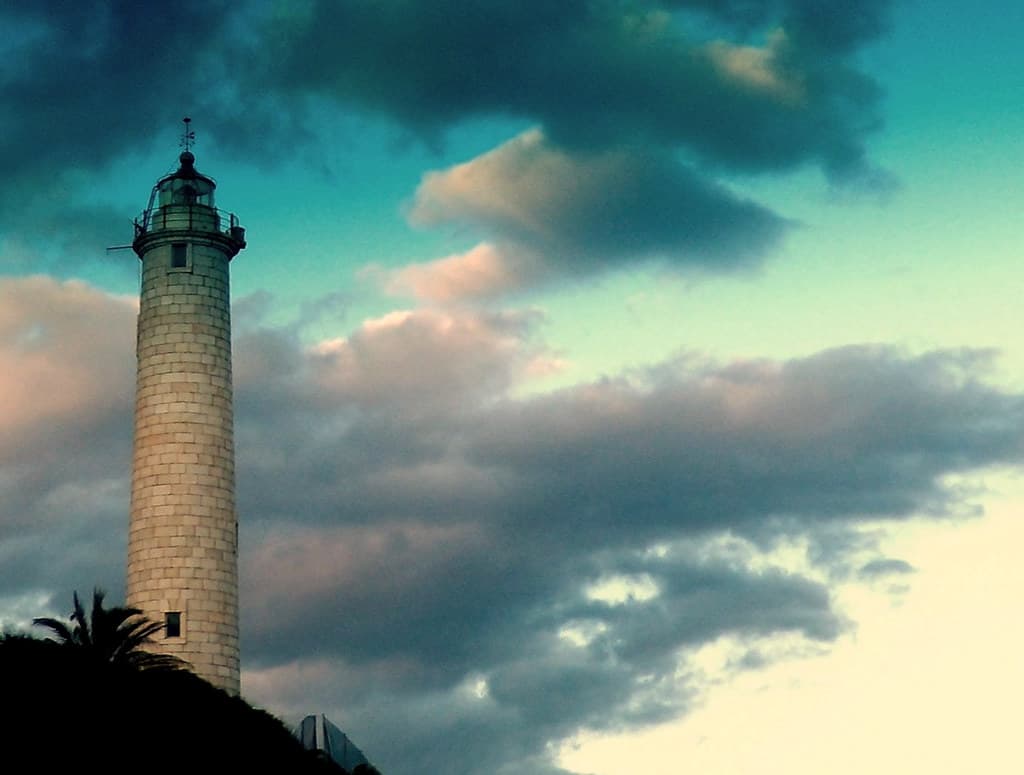
Counting the waves…
Counting the waves…
The drive south from Bahía Blanca unravels through flat grassland interrupted only by the occasional windbreak of eucalyptus, and then the road narrows to gravel. When you arrive at Playa Paso Seco, the Atlantic unfolds in a wide, gentle arc—none of the drama of Patagonian cliffs, just sand, low dunes, and the kind of quiet that makes you aware of your own breathing. Gulls wheel overhead. Shells crack underfoot. The beach stretches for kilometers in both directions, unmarked by umbrellas or lifeguard towers. This is sun-bathing country, the kind of place where you spread a towel on sand still cool from the morning and let the hours blur. The water stays shallow for a long wade out, warmer than you'd expect this far south, though never tropical. Locals from the tiny settlement of San Blas arrive on weekends with mate thermoses and folding chairs, but most afternoons you'll share the beach with only the sandpipers. Come in late autumn or early spring, when the crowds that do exist—fishermen, mostly—have gone home. The light turns golden over the dunes by five, and the wind dies just long enough to let you hear the waves properly. There's no boardwalk, no beach bar, no postcard rack. Just the edge of Argentina, unadorned.

Places, rentals, tours and events within walking and driving distance of Playa Paso Seco.
Photos
Swimming safety at Playa Paso Seco varies with conditions typical of Argentina's southern Atlantic coast. This remote beach has no lifeguard services or safety infrastructure, requiring swimmers to independently assess water conditions. Atlantic beaches in this region can experience strong currents, undertows, and sudden weather changes. Water temperatures remain cool even during summer months. The beach's low-density, hidden nature means help is not readily available in emergencies. Only confident swimmers familiar with ocean conditions should enter the water, and never swim alone. Check weather forecasts before visiting, watch for rip current indicators, and understand that rescue services are extremely distant in this isolated coastal area.
Visit Playa Paso Seco during the Argentine summer season from December to February for the warmest temperatures and most pleasant beach conditions. Even in peak summer, this beach remains uncrowded due to its remote location and difficult access. For guaranteed solitude, shoulder seasons (November or March) offer mild weather with virtually no other visitors. The beach's exposed position means wind is a common factor, so check forecasts before traveling. Winter months (June-August) bring cold temperatures and harsh conditions unsuitable for sunbathing or beach recreation. The area's extreme isolation means your visit will be peaceful regardless of season, with timing better based on weather preferences than crowd avoidance.
Getting to Playa Paso Seco involves significant travel to the remote Bahía San Blas region. From Buenos Aires, drive approximately 700-800 kilometers south via Route 3 toward Carmen de Patagones, then take provincial roads toward the coastal Bahía San Blas area. The final approaches may involve unpaved, sandy tracks requiring a 4x4 vehicle. No public transportation serves this area. GPS navigation and detailed maps are essential, as signage is minimal. Ensure your vehicle is well-maintained and carry spare fuel, water, food, and emergency supplies. Road conditions can deteriorate after rain. Allow at least 8-10 hours driving time from Buenos Aires, and confirm current access routes with local sources if possible.
Playa Paso Seco has absolutely no tourist infrastructure or commercial facilities. No hotels, restaurants, shops, or services exist at or near this beach. Visitors must bring all supplies, including camping equipment, food, water, and fuel. This is a destination for self-sufficient travelers prepared for completely primitive conditions. The Bahía San Blas area itself offers minimal facilities, with the nearest proper towns (Carmen de Patagones and Viedma) located over 100 kilometers away. Wild camping may be possible, but verify local regulations first. Only experienced campers comfortable with remote, off-grid conditions should attempt visiting. Bring everything you need, as there's no opportunity to purchase supplies once you leave the main highway.
Playa Paso Seco is identified as a distinct coastal sector near Bahía San Blas, suggesting specific geographic characteristics that differentiate it from adjacent beach areas. The name "Paso Seco" (dry pass) may indicate unique landform features, historical significance, or specific access characteristics. Its designation as low-density and hidden suggests even greater isolation than surrounding beaches, offering exceptional solitude for those seeking undisturbed coastal experiences. The beach appears oriented toward sunbathing and scenic appreciation rather than active water sports. For travelers documenting Argentina's remote coastlines, Playa Paso Seco represents another distinct location in the diverse Bahía San Blas coastal system, contributing to comprehensive regional coverage.