Counting the waves…
Counting the waves…

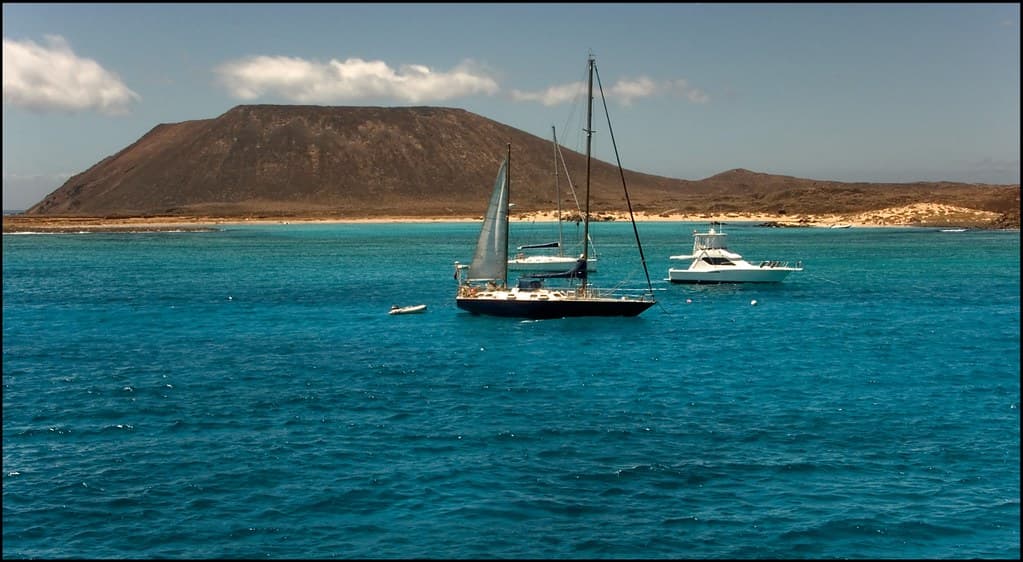
The drive south from Carmen de Patagones delivers you into a landscape stripped of pretense—no boardwalks, no umbrellas for rent, just the honest meeting of sand and sea. Playa La Rebeca unfolds as a long, unbroken crescent where the beach grass surrenders to tawny expanses that darken near the waterline. Gulls wheel overhead, their cries swallowed by wind that never truly stops, carrying the briny scent of kelp drying in the sun. You'll claim your patch of sand by instinct rather than signage, spreading a blanket weighted with shoes and bags against the breeze. The Atlantic here runs cold even in summer, its steel-blue rollers crashing with enough force to numb your shins within minutes. Families from nearby San Blas arrive on weekends, but midweek the beach returns to a near-Patagonian emptiness, punctuated only by the occasional fisherman casting into the surf. This is not a beach for leisurely swims or Instagram backdrops. It's a place to reckon with space itself—the kind of coastal solitude that reminds you why early explorers both feared and revered these latitudes. Pack layers, a thermos of mate, and an acceptance that the wind will rearrange your hair and your thoughts in equal measure.
Places, rentals, tours and events within walking and driving distance of Playa La Rebeca.
Photos
Swimming conditions at Playa La Rebeca depend on weather and tides. The beach is relatively sheltered within Bahía San Blas, which can offer calmer waters compared to open ocean beaches. However, as a remote location, there are no lifeguards on duty. Check local conditions before entering the water, be aware of currents, and never swim alone. The sandy bottom is generally gentle, making it suitable for wading, but always exercise caution and assess conditions yourself.
The best time to visit Playa La Rebeca is during the Argentine summer months from December through March, when temperatures are warmest and most comfortable for beach activities. Since this beach is known for fewer crowds, visiting during weekdays or shoulder season (November or April) can offer even more solitude. The region experiences strong winds, so check forecasts and plan accordingly. Early mornings typically offer calmer conditions for sunbathing and exploring this quiet coastal area.
Reaching Playa La Rebeca requires traveling to Bahía San Blas in southern Buenos Aires Province, near the border with Río Negro. The nearest major town is Carmen de Patagones. From there, you'll need a vehicle, preferably with good clearance, as roads can be unpaved and sandy. The journey involves driving along coastal routes toward the San Blas bay area. Due to the remote nature of this beach, renting a car or arranging local transportation is essential, as public transport options are very limited.
Accommodation and dining options near Playa La Rebeca are limited due to its remote location. Bahía San Blas has small family-run lodges, cabins, and camping areas that cater to visitors seeking quiet coastal stays. Most visitors bring their own food supplies, as restaurants are scarce. The town of Carmen de Patagones, located further inland, offers more comprehensive services including hotels, grocery stores, and restaurants. It's advisable to stock up on provisions before heading to the beach area and plan for self-catering during your stay.
Playa La Rebeca stands out for its exceptional tranquility and undeveloped character along the Patagones Coast. Unlike commercial beach resorts, this hidden stretch offers authentic natural scenery with minimal infrastructure, making it ideal for travelers seeking solitude and unspoiled landscapes. The beach's position within Bahía San Blas provides scenic coastal views and opportunities for quiet sunbathing without crowds. Its remote location means you'll experience a more rugged, authentic Argentine coastal environment, perfect for nature enthusiasts and those wanting to escape typical tourist destinations.