Counting the waves…
Counting the waves…

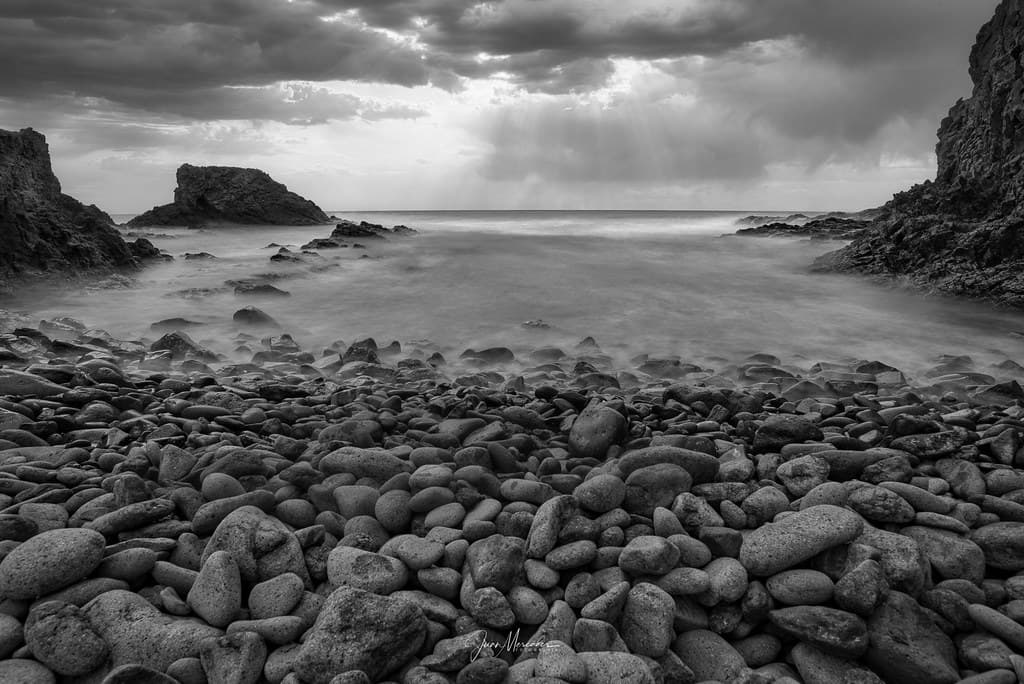
Black basalt juts from the shoreline in formations that look intentionally hostile, each outcrop polished smooth by waves that hit with enough force to feel through your boots on solid ground. The lighthouse keeper's old quarters stand empty now—automation replaced the families who once endured winters here measuring isolation in months. The beam still sweeps across water so violently contested by opposing currents that the surface roils even on calm days. You descend carefully, watching for the elephant seals that claim every accessible ledge. Bulls eye you with aggressive indifference, calculating whether you're threat or annoyance. The rocks beneath your feet are treacherous—slick with algae, studded with barnacles sharp enough to shred clothing. Tidal pools trapped between formations hold entire ecosystems: green anemones contracting at your shadow, tiny fish darting between purple sea urchins, hermit crabs testing new shells. The wind carries voices from the past—not romantically, but as actual phenomenon caused by the lighthouse structure channeling air in specific frequencies. It sounds like conversation just beyond hearing, appropriate for a place where so many ships met their end on these exact rocks. The maritime museum in the old keeper's residence displays artifacts recovered from wrecks, each twisted piece of metal a reminder that this beauty came with body counts.
Places, rentals, tours and events within walking and driving distance of Playa Faro Cabo Blanco.
Photos
Exploring Playa Faro Cabo Blanco requires caution due to its rocky terrain and exposed coastal location. Wear sturdy footwear with good grip as rocks can be slippery, especially when wet. The area experiences strong Patagonian winds, so be mindful of balance on uneven surfaces. Swimming is not recommended due to rocky conditions and cold, potentially rough waters. Tide awareness is essential, as rocky areas can become cut off or dangerous during high tide. The remote location means limited emergency services, so exercise appropriate caution. The beach is best for photography and sightseeing rather than water activities.
Photography at Playa Faro Cabo Blanco is possible year-round, with lighting varying by season. Summer (December-February) offers extended daylight hours and clearer skies, ideal for daytime shots. The dramatic landscape works well in various weather conditions, including moody overcast days that add atmosphere. Golden hour before sunset provides warm lighting on the lighthouse and rocky coastline. Spring and autumn may offer interesting weather patterns and fewer visitors. Winter can produce dramatic storm light but brings harsh conditions. The Instagrammable quality comes from the lighthouse's striking position above the rocky shore, creating iconic Patagonian coastal imagery regardless of season.
Cabo Blanco is located in a remote coastal area of Santa Cruz province, requiring careful planning. Access typically involves driving from larger towns via unpaved roads, with the nearest settlements being considerable distances away. A reliable vehicle with good clearance is essential as coastal roads can be rough. The lighthouse area may have restricted access or specific visiting hours, so check locally beforehand. GPS coordinates are helpful given limited signage. Ensure adequate fuel and supplies before departure as services are nonexistent in the immediate area. Organized tours from regional centers may be available for those without private transport.
Accommodation near Playa Faro Cabo Blanco is extremely limited due to the remote location. Visitors typically base themselves in the nearest towns with services, which may be considerable distances away depending on your route. Options might include Caleta Olivia to the north or Puerto Deseado to the south, both offering hotels and guesthouses. Some travelers camp if regulations permit, though facilities will be basic or nonexistent. Plan this as a day trip from your accommodation base, bringing all necessary food and water. The isolation means no restaurants or shops nearby, so complete self-sufficiency is required for visits.
Playa Faro Cabo Blanco's remote coastal location offers potential wildlife viewing opportunities typical of Patagonian shores. Seabirds are commonly observed, including cormorants and gulls. The rocky coastline may attract sea lions or fur seals, though sightings depend on season and luck. Marine mammals occasionally pass offshore. The Cabo Blanco area is known for its natural reserve system, suggesting richer biodiversity than developed areas. Always observe wildlife from respectful distances without disturbing them. Bring binoculars for better viewing. Seasonal variations affect which species are present, with spring and summer generally offering more active wildlife due to breeding seasons.