Counting the waves…
Counting the waves…
A refined fusion of water purity, environmental stability, and communal vibrancy for Playa Norte Cabo Blanco.
View MethodologyAnalyzed via live sensors and environmental data.
Wave height, wind, and atmospheric stability.
Live footfall and crowd balance metrics.
Community reviews and curated sentiment.
“The cliffs give the cape its name—chalk-white sedimentary walls rising vertically from the beach, their faces streaked with mineral deposits and hosting thousands of nesting cormorants. The air vibrates with bird calls…”
Limited recent visitor reports — live OBI telemetry is your best guide for current conditions.
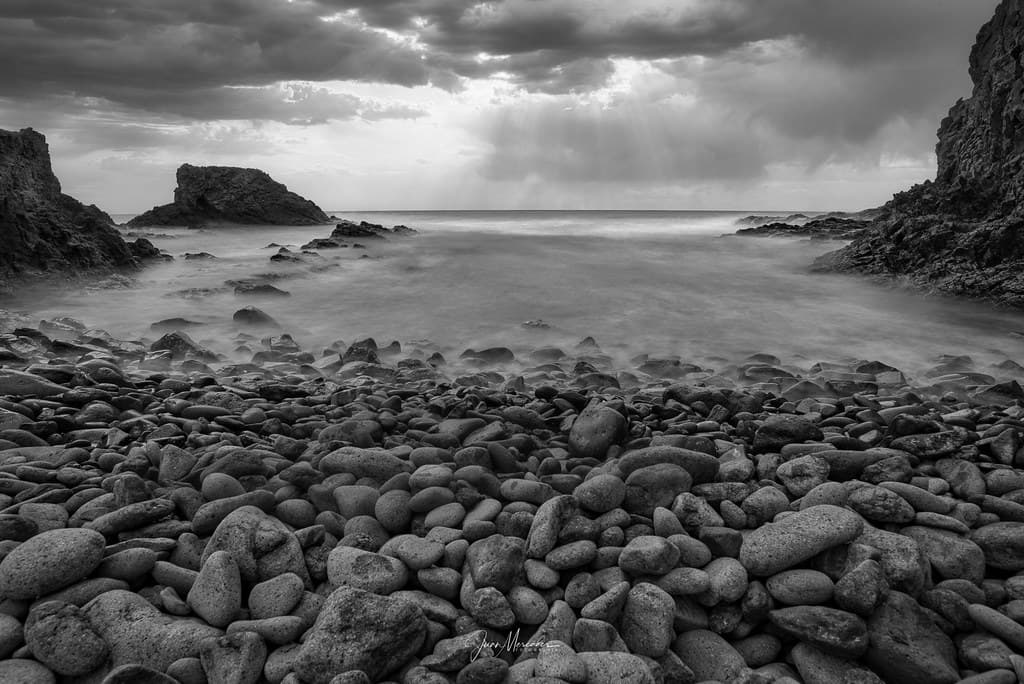
Approaching Playa Norte from the reserve access point, you first notice the sound—a constant chorus of squawks, grunts, and wing beats from thousands of cormorants colonizing the cliff face. The beach itself spreads northward from the cape's base, pebbles ranging from white quartz to dark basalt, sorted by wave action into bands of color. Above, the cliffs rise nearly vertical, their stratified layers reading like pages in a geological text spanning millions of years.
Timing matters here. Arrive during nesting season and the cliffs become living walls—every ledge, crevasse, and projection occupied by breeding birds. Fledglings test their wings, occasionally miscalculating and landing awkwardly on the beach below where parents locate them through seemingly impossible recognition amid the chaos. Between bird activity and wave rhythm, silence never quite exists, though the reserve's protective status keeps human crowds minimal.
 Credit: Unsplash
people on beach during daytime
 Credit: Unsplash
Cliffs and a beach meet the ocean
Thousands of nesting cormorants
Dramatic sedimentary formations
Northern beach exploration
Prime Visitation
Anytime | Less Crowds
Where it is
Playa Norte Cabo Blanco
Cabo Blanco, Santa Cruz, Argentina
-47.181400°, -65.749200°
Weather
Loading…
Swell
—
Temp
Warm · Restorative
UV Index
Moderate
Wind
—
Tidal State
Last known
Max Sunlight
—
Ideal Shade
—
Jan - Dec (Peak)
Mar - Nov (Off-season)
Anytime | Less Crowds
Select a category to load nearby places.
Unlock restaurants, luxury stays and curated maritime experiences within 2km
Swimming at Playa Norte Cabo Blanco is not recommended due to cold water temperatures, strong Atlantic currents, and the exposed nature of this pebble beach. The Gulf San Jorge area experiences unpredictable conditions with significant wave action and undertows. There are no lifeguards or safety infrastructure. The beach is better suited for walking, wildlife observation, and photography. If you do enter the water, stay in shallow areas and never swim alone. Always respect the power of Patagonian coastal waters and prioritize safety over recreation.
Playa Norte Cabo Blanco welcomes visitors year-round with minimal crowds in any season. Summer months (December-March) provide the warmest weather and best conditions for extended beach exploration. The nearby Cabo Blanco Nature Reserve is particularly interesting during spring and summer when wildlife is most active. Autumn (April-May) offers dramatic lighting for photography. Winter visits are feasible but expect strong winds and cold temperatures. The area's remoteness ensures solitude regardless of timing, making it ideal for travelers seeking uncrowded coastal experiences.
Playa Norte Cabo Blanco is accessed from the small settlement of Cabo Blanco in northern Santa Cruz province. A vehicle is essential, preferably 4WD, as roads leading to the coast may be unpaved and challenging. From Route 3, follow signs toward Cabo Blanco and the coastal reserve area. The final approach to the beach may require driving on rough tracks. Ensure adequate fuel as service stations are widely spaced in this region. Local inquiry about current road conditions is advisable before attempting the journey.
Cabo Blanco is a very small settlement with extremely limited tourist infrastructure. Accommodations and dining options are scarce, with perhaps basic lodging available for workers in the area. Most visitors base themselves in larger towns such as Caleta Olivia or Comodoro Rivadavia, treating the beach as a day trip destination. Bring all necessary food, water, and supplies for your visit. The area near the Cabo Blanco Nature Reserve may have ranger stations but don't expect commercial services. Plan for self-sufficiency when exploring this remote coastal region.
Playa Norte Cabo Blanco's proximity to the Cabo Blanco Nature Reserve makes it exceptional for wildlife enthusiasts and nature photographers. The reserve protects significant coastal and marine ecosystems along the Gulf San Jorge. The pebble beach offers striking coastal scenery where Patagonian landscapes meet the Atlantic, creating dramatic vistas particularly during golden hour. The area's extreme remoteness provides an authentic wilderness experience with virtually no tourist infrastructure. This beach appeals to adventurous travelers seeking solitude, natural beauty, and the opportunity to explore Argentina's lesser-known coastal environments.
Photos