Counting the waves…
Counting the waves…

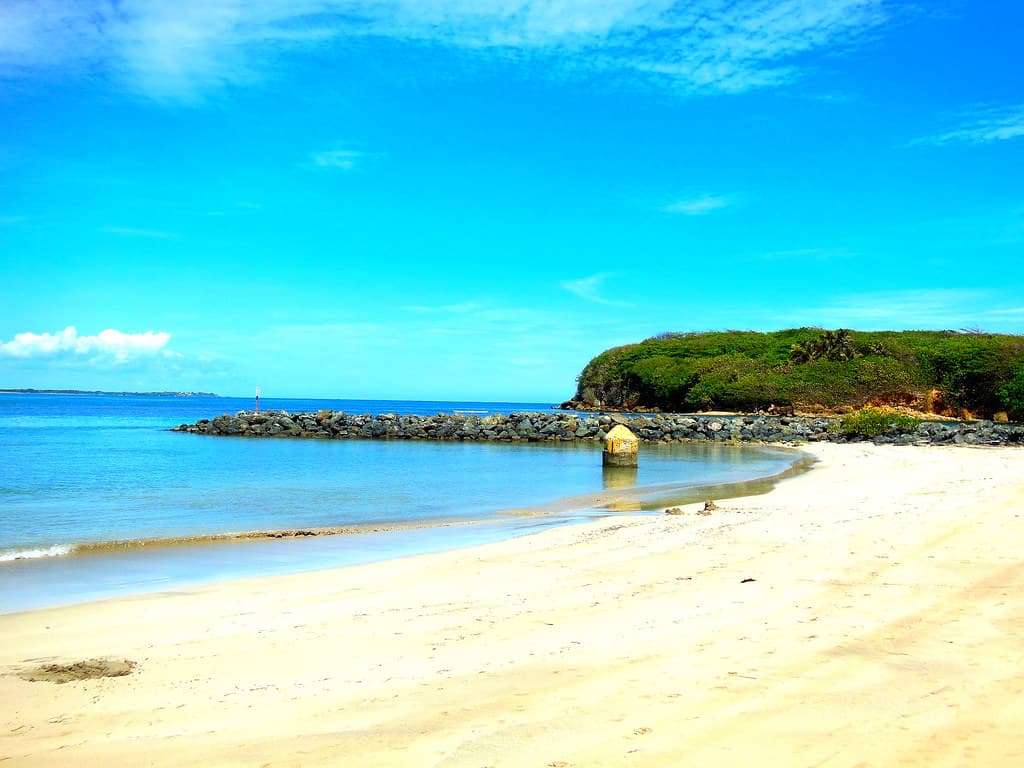
You'll notice the change immediately when you round the headland—the wind drops from gale to breeze, and the angry white-capped swells outside the bay transform into orderly waves that lap rather than crash. This sheltered pocket holds a different microclimate entirely, where sand replaces the region's typical pebble beaches and the water stays shallow enough to wade a hundred yards out, your boots sinking into firm, fine-grained bottom. The bay curves in a gentle arc, backed by low dunes stabilized with coirón grass that bends and shivers in unison. At low tide, the beach doubles in width, exposing beds of blue mussels and moon snails that draw kelp gulls and dolphin gulls in raucous flocks. The water temperature remains brutally cold—this is southern Atlantic current, after all—but the protected conditions make it possible to actually stand in the shallows without being knocked over, a rarity on this unforgiving coast. Families from Río Gallegos make the journey south in summer months, spreading blankets in the dune grass while children explore tide pools without the danger posed by open ocean beaches. The southern horizon shows the entry to the Strait of Magellan, where you can sometimes spot cargo ships transiting between oceans, their hulls tiny against the immensity of sky and sea.
Places, rentals, tours and events within walking and driving distance of Playa Bahía San Sebastián Sur.
Photos
While calmer than exposed ocean beaches, swimming remains inadvisable due to extremely cold water temperatures of 6-10°C throughout the year. The sheltered bay configuration does create gentler wave conditions suitable for safe wading and beach exploration with children. The remote location means no lifeguards or emergency services are present. Families can enjoy tidepool exploration, beachcombing, and scenic walks along the shore. Always supervise children closely near the water and dress everyone in warm, windproof layers typical for Patagonian coastal conditions.
Summer months (December-March) provide the best weather with temperatures reaching 10-18°C and extended daylight hours ideal for family outings. The beach maintains low visitor numbers year-round due to its distance from major population centers. Wildlife observation opportunities peak during spring and summer when seabirds and marine mammals are more active. The sheltered bay offers some protection from Patagonia's fierce winds, though visitors should still prepare for breezy conditions. Avoid winter months when extreme cold and limited daylight make access challenging.
Access requires driving from Río Gallegos, located approximately 110-130 kilometers north. Take Provincial Route 1 southward toward Cabo Vírgenes; the beach sits along this route before reaching the cape. A 4x4 or high-clearance vehicle is strongly recommended for the gravel roads. No public transportation services this remote coastal area. The journey takes several hours depending on road conditions, which can deteriorate during wet weather. Bring navigation tools, as signage is minimal and cell phone coverage is unreliable in this isolated region.
No commercial facilities, restaurants, or accommodations exist at this remote beach. Río Gallegos, over 100 kilometers away, offers the nearest hotels, restaurants, and grocery stores. Families should pack a complete picnic with snacks, meals, and plenty of drinking water. The journey requires advance planning including fuel, as service stations are scarce. Some tour operators in Río Gallegos offer family-friendly day trips to the Cabo Vírgenes region that may include this beach, providing guided experiences with meals and transportation included.
This sheltered bay offers gentler conditions compared to the area's typically exposed and windswept coastline, making it more family-friendly for beach exploration. Its position north of Cabo Vírgenes provides access to the remote coastal character without traveling to the absolute southern extreme. The bay's protected configuration creates unique tidepool ecosystems and calmer waters attractive to wading birds. The combination of accessibility, relative shelter, and profound isolation creates an ideal spot for families seeking authentic Patagonian coastal experiences while maintaining some comfort.