Counting the waves…
Counting the waves…
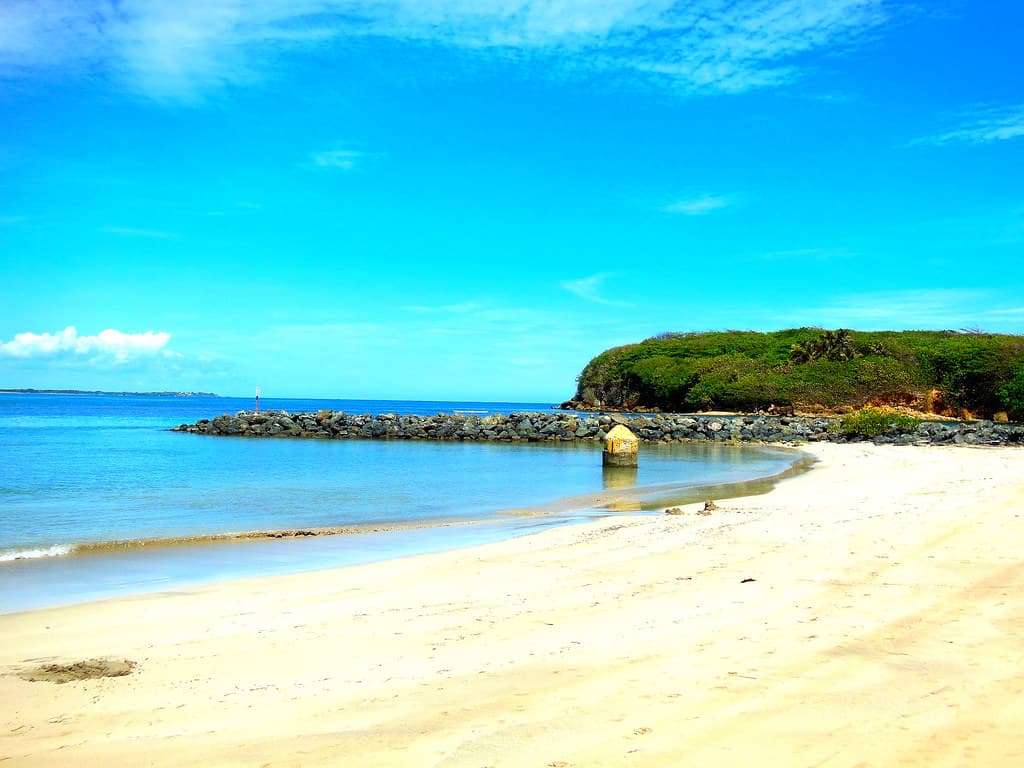
The approach to Playa Cañadón de los Misioneros requires you to time the tides and trust your footing. You navigate a steep gulch where meltwater has exposed strata dating back millions of years, each layer a different texture under your palm—crumbling shale, compressed sandstone, bands of clay that stain your fingers orange. The ravine amplifies wind into a low moan, and you hear the ocean before you see it. When the beach finally appears, it's a narrow strand hemmed by cliffs that rise forty meters straight up. Driftwood logs lie scattered like bleached bones, deposited by storm surges that must have been terrifying to witness. The sand here is coarse and dark, mixed with shell fragments and volcanic pebbles. You walk close to the cliff base where erosion has carved shallow caves and overhangs, their ceilings blackened by fires lit by previous visitors—or perhaps by the missionaries for whom this cañadón was named, though no records confirm they ever reached this exact spot. High tide erases this beach entirely, sending waves crashing directly against the cliff face. You check your watch frequently, aware that the return climb demands enough time. A caracara circles overhead, riding thermals that rise from sun-warmed stone. Photographs from this vantage point capture dramatic contrasts: the layered geology, the white foam, the absolute emptiness. This is a beach that exists only part-time, belonging more to the ocean than to those who briefly trespass.
Places, rentals, tours and events within walking and driving distance of Playa Cañadón de los Misioneros.
Photos
Swimming is not advisable due to frigid water temperatures and strong currents typical of this Patagonian coastline. The cliff-and-beach configuration presents additional hazards including unstable cliff edges, potential rockfall, and difficult access points. This beach is best appreciated from safe vantage points for photography and scenery rather than recreation. Exercise extreme caution near cliff edges, particularly in windy conditions which are common. The remote location means rescue services are hours away, making accidents particularly serious. Visitors should prioritize safety while exploring this dramatic landscape, staying well back from unstable areas and respecting natural hazards.
The beach is accessible year-round, but November through March offers the most favorable conditions with milder temperatures and extended daylight for photography. The dramatic cliff formations and beach create excellent Instagram-worthy opportunities during golden hour and throughout the day. Spring and summer provide better weather for exploring this remote area safely. Winds are persistent across all seasons, so prepare accordingly. Winter visits reward hardy travelers with moody, atmospheric conditions and virtually guaranteed solitude. Given the scenic and photographic focus, clear days in any season provide the best lighting, though overcast conditions can create dramatic coastal imagery.
Begin with the drive from Río Gallegos approximately 130 kilometers south on Route 1 toward Cabo Vírgenes, requiring 2-3 hours on gravel roads. Locating this specific cañadón (canyon/gully) and beach sector requires local knowledge, detailed maps, or GPS coordinates, as it's not marked on standard tourist routes. A vehicle with good ground clearance is recommended, and some walking or hiking may be necessary to reach the cliff-and-beach area safely. This beach is notably absent from typical tourist itineraries, so independent research and preparation are essential. Consider hiring local guides familiar with the area's hidden sectors.
Absolutely no facilities exist at or near this extremely remote beach. Río Gallegos serves as the mandatory base, offering full accommodation options from budget to mid-range, restaurants, and shopping for supplies. Pack comprehensive provisions including food, ample water, emergency supplies, first-aid kit, and navigation tools before departing. Ensure sufficient vehicle fuel for the entire journey, as no services exist between Río Gallegos and Cabo Vírgenes. A few rural estancias operate in the wider region but require advance booking. Plan for a full day trip, being completely self-sufficient for exploration of this hidden location.
This beach's cliff-and-beach sector configuration creates dramatic geological features rarely seen along the Cabo Vírgenes coast. The cañadón formation suggests a canyon or ravine meeting the ocean, offering unique topography for photography. Its name referencing missionaries hints at historical significance distinct from other beaches. Being absent from generic beach lists and tourist routes ensures pristine conditions and total solitude. The Instagram-worthy designation reflects exceptional scenic qualities combining cliffs, beach, ocean, and Patagonian landscape. Discovery of this hidden location appeals to adventurous travelers seeking experiences beyond standard tourist destinations, offering genuine exploration in one of Argentina's most remote coastal regions.