
Counting the waves…
Counting the waves…

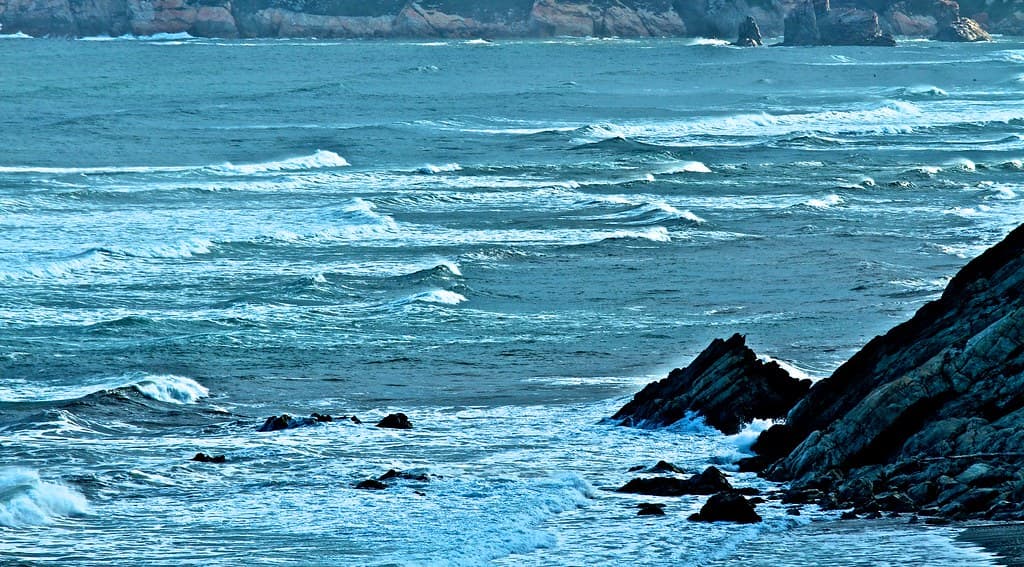
Playa Punta Baja earns its name from topography rather than drama—this is a gentle protrusion rather than a dramatic cliff, a place where the beach bulges seaward just enough to create different conditions on either flank. The northern side accumulates fine pebbles and shells, sorted by size through wave action. The southern side is all cobbles and boulders, some large enough to sit on while you rest legs exhausted from unstable footing. Shorebirds treat this point as a staging area. You watch two-banded plovers sprint along the waterline, their legs a blur as they chase receding foam. Farther out, kelp geese bob in the swells, diving for the algae that gives them their name. The diversity here exceeds what you'll find at more famous Patagonian sites, precisely because human traffic is minimal. You settle onto a flat boulder and glass the offshore zone with binoculars, counting species: imperial cormorants, rock shags, dolphin gulls, the occasional giant petrel gliding past on two-meter wings. The point creates a slight wind shadow on its western side during prevailing conditions, offering marginal relief. You take advantage of this to brew tea on a camp stove, anchoring your cookpot between rocks. The water boils slowly at this southern latitude's insistent wind. When you finally sip the mate cocido, the warmth spreads through your chest like a small rebellion against the elements. To the south, Cabo Vírgenes lighthouse marks the horizon. To the north, nothing but empty coast extending toward Rio Gallegos.
Places, rentals, tours and events within walking and driving distance of Playa Punta Baja.
Photos
Swimming is not recommended at Playa Punta Baja due to extremely cold Patagonian waters, strong coastal currents, and the exposed nature of this Atlantic-facing beach. The pebble composition makes footing unstable, and waves can be unpredictable. The beach is ideal for walking, wildlife watching, and photography rather than aquatic activities. Children should be supervised closely near the water's edge. The remote location means medical assistance is hours away, making any water-related accidents particularly serious. Visitors enjoy this beach primarily for its wild shoreline and natural beauty, not recreational swimming.
Plan visits between November and March for milder Patagonian weather and extended daylight hours, though the beach remains accessible throughout the year. Wildlife activity, including potential marine bird and seal sightings, peaks during spring and summer months. The family-friendly designation suggests any season works for beachcombing and exploration with children, provided appropriate clothing for wind and cold. Mornings often offer calmer conditions before afternoon winds intensify. The beach sees minimal visitor traffic year-round, so crowding is never an issue. Winter visits require serious cold-weather preparation but offer dramatic, storm-swept coastal scenery.
Travel from Río Gallegos approximately 130 kilometers south on Route 1 toward Cabo Vírgenes, a 2-3 hour drive on predominantly gravel roads. Playa Punta Baja lies north of the main Cabo Vírgenes lighthouse complex along the coastal route. Access may involve walking or driving on rough tracks depending on road conditions and vehicle capability. GPS coordinates or local guidance help locate this low-profile beach point. Rental cars are available in Río Gallegos; sturdy vehicles handle the journey better. No public transportation reaches this remote area, making private vehicle or organized tours the only options.
This beach has no facilities, restaurants, or lodging. Río Gallegos serves as the necessary base, offering diverse accommodation from budget hostels to comfortable hotels, along with restaurants, cafes, and grocery stores. Pack comprehensive supplies including food, water, snacks, and emergency provisions before departing the city. The round trip requires adequate vehicle fuel, as no services exist en route or at the destination. Some regional estancias offer rural accommodation but require advance booking and are still remote from the beach. Most visitors treat this as a day excursion from Río Gallegos, returning before nightfall.
Playa Punta Baja's low-profile point geography creates distinct coastal formations and perspectives compared to the linear southern beaches. Its position north of the main lighthouse area means it receives almost no visitor traffic, offering genuine solitude. The wild shoreline appeal mentioned reflects untouched Patagonian coastal character with natural pebble beaches, hardy vegetation, and potential wildlife encounters. The family-friendly tag suggests relatively easier access or safer conditions than some remote coastal points. Its northerly position may offer different wildlife sightings and wave patterns than southern sections, rewarding explorers willing to venture beyond standard tourist stops at Cabo Vírgenes.