Counting the waves…
Counting the waves…
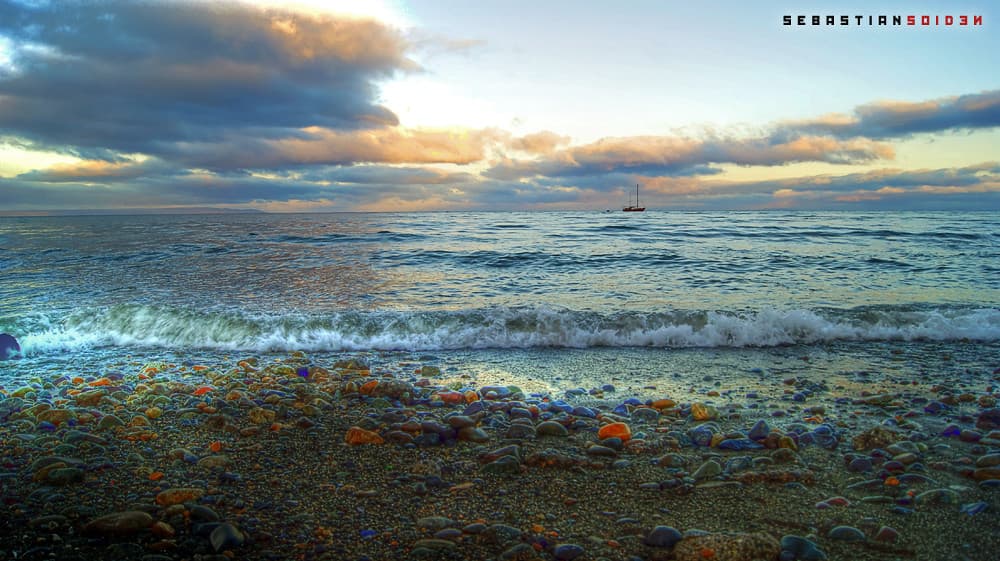
The lighthouse rises eighteen stories from the headland, its Victorian-era construction a monument to the dangers these waters have posed since the first European keels entered the strait in 1520. You approach across a beach of smooth stones graduated by size—fist-sized boulders near the storm line, egg-shaped pebbles at the water's edge. The structure's red bands stand vivid against the typically gray Patagonian sky, visible for miles along the desolate coast. Seabirds nest in the cliffs beneath the lighthouse grounds, and their constant traffic creates a living corridor between beach and headland. The air smells of kelp, salt, and the distinctive musk of nearby seal colonies. When fog rolls in from the strait, the lighthouse beam cuts through the gray in sweeping arcs, and the foghorn's bass note carries for miles across the water. On clear days, you can see cargo ships navigating the strait's entrance, their hulls tiny against the distance. The beach curves in a generous crescent below the lighthouse, sheltered slightly from the prevailing westerlies. Sunset transforms the scene—the tower silhouetted against rose and amber skies, its light beginning its nightly vigil. The stones beneath your feet range from black basalt to rust-streaked sedimentary rock, each one a small sculpture shaped by relentless motion. Even in December's long twilight, the wind keeps temperatures cool enough to warrant fleece and windbreakers.
Places, rentals, tours and events within walking and driving distance of Playa Faro Cabo Vírgenes.
Photos
Swimming at Playa Faro Cabo Vírgenes is not recommended due to extremely cold water temperatures, strong currents where the Atlantic meets the Strait of Magellan, and unpredictable Patagonian weather. The pebble beach and powerful waves create hazardous conditions. This location is intended for scenic enjoyment, photography, and lighthouse exploration rather than water activities. Visitors should exercise caution near the water's edge as waves can be unexpectedly strong. The harsh climate and remote location make any water emergency particularly dangerous with limited rescue resources available.
Playa Faro Cabo Vírgenes is accessible year-round, but the summer months (December to March) offer the most pleasant conditions with milder temperatures and extended daylight for photography. The beach is particularly stunning at sunset, when the lighthouse is beautifully illuminated by golden light. Spring (September-November) and autumn (March-May) provide good weather with fewer visitors. Winter visits are possible but expect strong winds, cold temperatures, and reduced daylight hours. The penguin colony nearby is open September to April, allowing combined visits during those months.
The lighthouse beach is located within the Cabo Vírgenes Natural Reserve, approximately 130 kilometers south of Río Gallegos via Provincial Route 1. Visitors need a rental car or can join organized tours from Río Gallegos, as no public transportation serves this remote area. The partially paved, partially gravel road takes 2-3 hours to traverse. After entering the reserve and paying the entrance fee, the lighthouse is accessible via a short drive or walk from the main parking area. Check road conditions before departure, especially during winter months.
There are no hotels or restaurants at Playa Faro Cabo Vírgenes itself. The nearest comprehensive services are in Río Gallegos, 130 kilometers north, which offers various accommodation options from budget hostels to comfortable hotels, plus restaurants and supermarkets. The reserve's visitor center may have limited snacks during peak season, but this isn't guaranteed. Plan to bring sufficient food, water, and supplies for your visit. Most travelers visit as a day trip from Río Gallegos. Some estancias in the region offer rustic accommodation for extended stays.
The Cabo Vírgenes lighthouse, built in 1904, marks the southernmost point of mainland Atlantic Argentina and the eastern entrance to the legendary Strait of Magellan. This historic structure has guided ships through one of the world's most important and treacherous maritime passages for over a century. The beach location offers dramatic views where the Atlantic Ocean meets the strait, with Chilean Tierra del Fuego visible across the water. The lighthouse remains operational and stands as a testament to maritime history, making it a powerful symbol of navigation and exploration.