
Counting the waves…
Counting the waves…

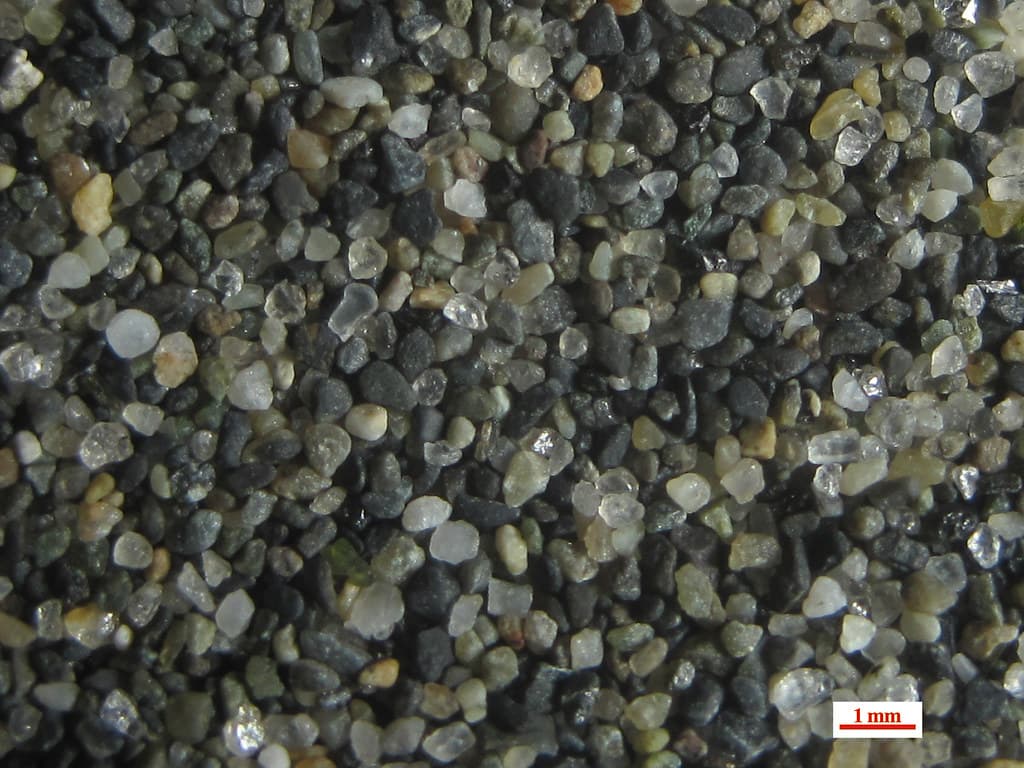
This stretch of shore offers the most direct confrontation with the Strait of Magellan itself, unmediated by lighthouse or penguin colony. The beach curves gently, oriented westward so you face directly into the channel that connects two oceans. Pebbles here show remarkable variety—volcanic basalt alongside sedimentary sandstone, some veined with quartz that catches occasional sunlight. The strand line is marked with kelp holdfasts the size of soccer balls, their root systems still clutching stones torn from deeper waters. The strait's mood changes hourly. Morning might bring glassy calm with perfect reflections of Tierra del Fuego's northern shore. By afternoon, the prevailing westerlies whip the surface into whitecaps that march eastward toward the Atlantic. The water color shifts from steel gray to deep green depending on light and current. You can sit among the larger boulders that punctuate the upper beach, finding shelter from wind while watching cargo ships and occasional cruise vessels navigate the historic passage. Solitude here is nearly complete. The beach's remoteness—beyond the main lighthouse and colony attractions—filters out casual visitors. You might spot guanacos drinking from seasonal streams, or encounter a lone fisherman trying luck in the nutrient-rich strait waters. Sunset is particularly affecting, the low southern sun painting the channel in shades of copper and rose while the first stars appear in the darkening eastern sky behind you.
Places, rentals, tours and events within walking and driving distance of Playa Estrecho de Magallanes.
Photos
Swimming is not safe at Playa Estrecho de Magallanes due to frigid water temperatures, powerful currents characteristic of the Strait of Magellan entrance, and unpredictable Patagonian weather. The combination of Atlantic Ocean and strait waters creates particularly dangerous conditions. The remote pebble beach lacks lifeguards or emergency services. Visitors should appreciate this beach for its stunning scenery, sunset photography opportunities, and historical significance rather than water activities. Always exercise extreme caution near the water's edge and be aware of sudden weather changes common in this exposed coastal location.
Playa Estrecho de Magallanes is accessible year-round, with summer months (December-March) offering the most favorable conditions including milder weather and extended daylight. The beach is particularly spectacular at sunset when the western sky illuminates the strait with dramatic colors, making late afternoon visits during summer ideal. Spring (September-November) and autumn (March-May) provide good weather with minimal crowds. Winter visits offer stark beauty but require preparation for harsh winds and cold. Combine your visit with the penguin colony season (September-April) for a fuller Cabo Vírgenes experience.
Playa Estrecho de Magallanes is reached via the Cabo Vírgenes area, approximately 130 kilometers south of Río Gallegos on Provincial Route 1. A rental car is necessary as no public transportation serves this remote region, or you can join organized tours from Río Gallegos. The road transitions from pavement to gravel, requiring 2-3 hours of driving. After entering the Cabo Vírgenes Natural Reserve and paying entrance fees, access points to the strait-facing beaches are available. Road conditions vary seasonally, so check local information before traveling.
Food and lodging options are not available at Playa Estrecho de Magallanes itself. Río Gallegos, located 130 kilometers to the north, provides the nearest comprehensive services including hotels, hostels, restaurants, and supermarkets for supplies. The Cabo Vírgenes reserve has a visitor center with basic facilities and potentially limited refreshments during peak tourist season. Most visitors undertake day trips from Río Gallegos. Given the remote location and changeable weather, bringing adequate food, water, warm clothing, and emergency supplies is essential for any visit to this isolated coastal area.
Playa Estrecho de Magallanes offers a unique perspective directly facing the historic Strait of Magellan entrance, providing unobstructed views of this legendary maritime passage where countless explorers have sailed since Ferdinand Magellan's 1520 voyage. The beach's position allows visitors to witness the meeting of Atlantic waters with the strait, often with Chilean Tierra del Fuego visible across the water. The remote, undeveloped setting preserves the wild character of this significant geographic location. Sunset views are particularly dramatic, with light playing across the strait's waters and distant mountains.