Counting the waves…
Counting the waves…

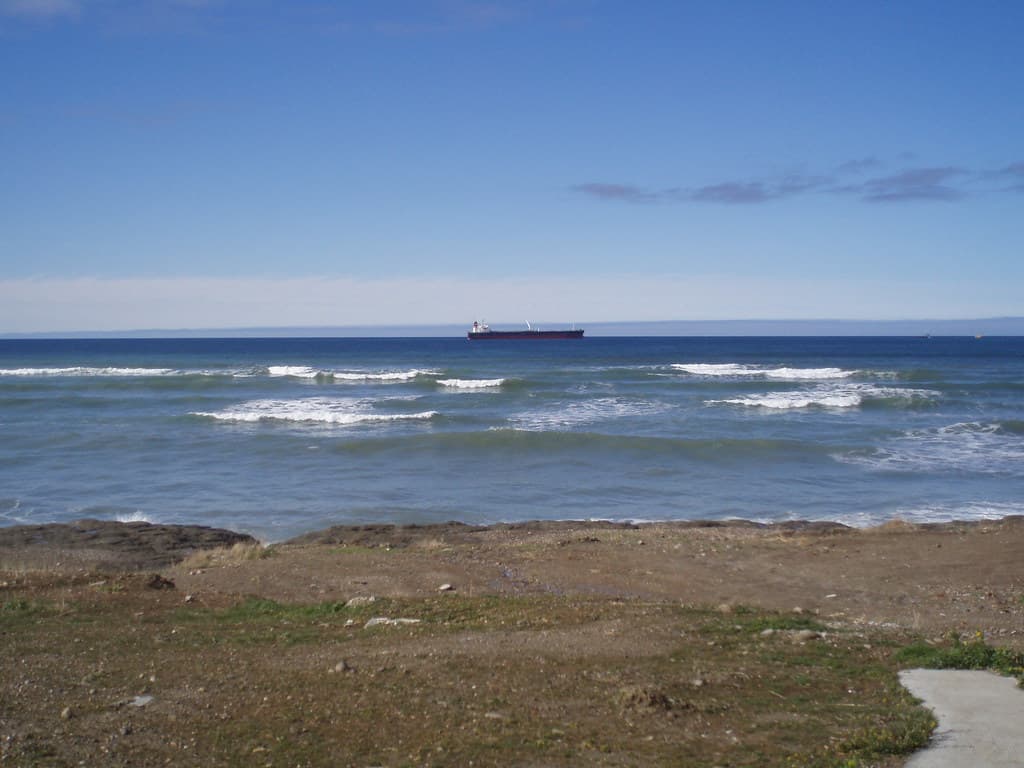
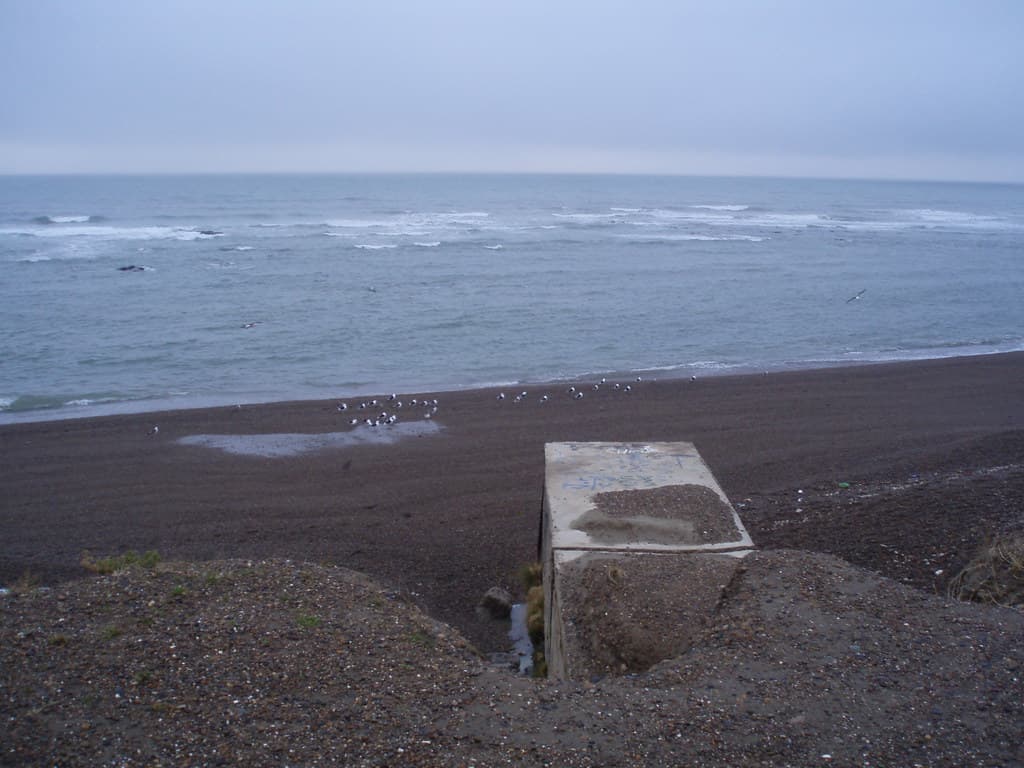
The stones beneath your feet carry the weight of the Atlantic, smooth and oval from centuries of tumbling in the cold current. Behind you, the refinery towers punctuate the skyline, reminders that Caleta Olivia built itself on petroleum, not postcards. The air tastes of salt and diesel, an industrial honesty rare along tourist coastlines. Families arrive with mate thermoses and folding chairs, settling into the afternoon as the westerly wind tugs at their hair. The water churns gray-green, flecked with white where it meets the shoreline in rhythmic percussion. Locals wade in without ceremony, accustomed to the bite of Patagonian water that never quite warms. Sunset transforms the working waterfront into something unexpected. The light catches the cranes and silos, turning utilitarian metal into bronze sculpture. You'll hear Spanish mingling with the cry of gulls, the laughter of children racing across the stones. This beach doesn't court admiration—it simply exists, functional and familiar, the recreational heart of a town that earns its living from the earth below and the sea beyond.
Places, rentals, tours and events within walking and driving distance of Playa Caleta Olivia.
Photos
Playa Caleta Olivia allows swimming but with significant considerations. The South Atlantic waters here remain cold year-round, even during summer months, making extended swimming uncomfortable without thermal protection. As the main beach of Caleta Olivia, it has better accessibility than remote areas but lacks comprehensive lifeguard coverage. Currents and winds can be unpredictable, typical of Patagonian coastal conditions. Local residents do use the beach recreationally, primarily for walking and short water contact. If you choose to swim, stay close to shore, avoid periods of high wind, and be prepared for cold water temperatures.
Playa Caleta Olivia welcomes visitors throughout the year, with summer (December-February) offering the most comfortable conditions for beach activities and the warmest water temperatures, though still quite cold by international standards. Sunset viewing is particularly rewarding during summer evenings when the light over the Gulf San Jorge creates stunning displays. Spring and autumn provide pleasant walking conditions with fewer local visitors. Winter visits suit travelers interested in dramatic coastal scenery and storm watching. The urban beach setting ensures basic services remain available regardless of season, making it practical for year-round exploration.
Playa Caleta Olivia is the most accessible beach in northern Santa Cruz province, located directly in the city of Caleta Olivia along Route 3. The city is well-connected by long-distance bus services from major Argentine cities and throughout Patagonia. Once in Caleta Olivia, the beach is easily reached on foot from central accommodations or via short taxi ride. The beach area is clearly marked and forms part of the city's main coastal zone. For drivers, Route 3 passes directly through Caleta Olivia, making the beach an easy stop on north-south Patagonian journeys.
Caleta Olivia offers substantial food and lodging infrastructure as a working city and important coastal gateway. Hotels range from budget to mid-range options, with hostels and apart-hotels also available at reasonable rates. Restaurants serve traditional Argentine cuisine, including excellent Patagonian lamb and local seafood. Supermarkets, bakeries, and cafes throughout the city allow various dining budgets. Being an oil-industry hub rather than tourist resort, prices remain relatively affordable. Services cater primarily to locals and passing travelers, providing authentic Patagonian urban amenities. Accommodations near the beach area offer convenient access to the waterfront.
Playa Caleta Olivia serves as the primary coastal gateway between Chubut and Santa Cruz provinces, making it a significant reference point for travelers exploring Patagonian Route 3. Unlike remote wilderness beaches, this urban beach offers accessible facilities and real-world Patagonian city atmosphere shaped by the oil industry. The combination of working-port character, budget-friendly services, and genuine local culture provides insight into contemporary Patagonian coastal life. Sunset views over the northern Gulf San Jorge are particularly beautiful. The beach's accessibility makes it valuable for travelers seeking convenient coastal access while journeying through northern Santa Cruz.