Counting the waves…
Counting the waves…
A refined fusion of water purity, environmental stability, and communal vibrancy for Playa Isla Leones Santa Cruz.
View MethodologyAnalyzed via live sensors and environmental data.
Wave height, wind, and atmospheric stability.
Live footfall and crowd balance metrics.
Community reviews and curated sentiment.
“Isla Leones sits in the chaotic mixing zone where the Santa Cruz River dumps glacial melt into the Atlantic. The beaches shift shape with every tide cycle, and the water runs in shades of brown and gray, carrying…”
Limited recent visitor reports — live OBI telemetry is your best guide for current conditions.
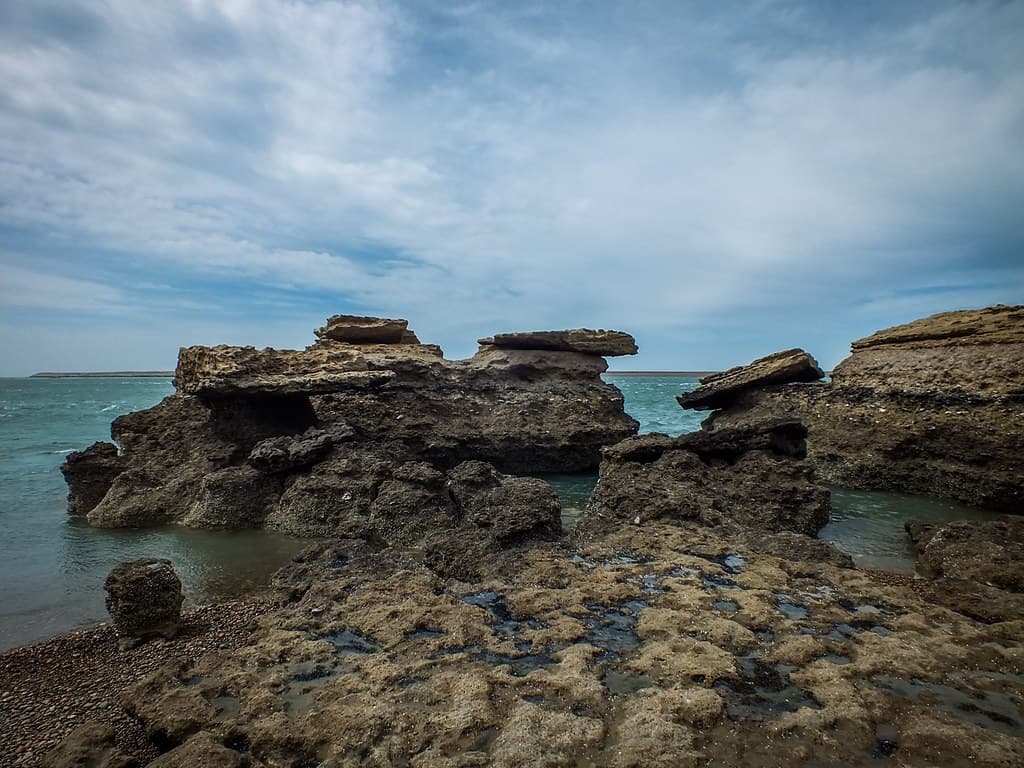
You'll need a local guide to reach Isla Leones safely—the Santa Cruz estuary is a maze of channels, sandbars, and tidal currents that rearrange themselves seasonally. The island's beaches are coarse sand the color of wet concrete, littered with river-worn stones and the occasional tree trunk swept down from Patagonian forests upstream. The air tastes of salt and silt, and the wind carries a mineral smell from the exposed mudflats that emerge at low tide.
The island itself is low and scrubby, covered in tough coastal grasses and calafate bushes that fruit in late summer. Seabirds dominate—gulls, cormorants, and the occasional skua patrolling for carrion. At low tide, you can walk sections of beach that connect to sandbars, but locals warn against wandering too far; the incoming tide moves fast here, cutting off escape routes in minutes. The water is too cold and silty for swimming, but the edge reveals tide pool ecosystems adapted to dramatic salinity swings as fresh and salt water mix.
 Credit: Unsplash
Estuary Dynamics
 Credit: Unsplash
Sandbar Walking
Tidal channel photography
Low-tide beach extensions
Seasonal shorebird flocks
Prime Visitation
Best Weather | Less Crowds
Where it is
Playa Isla Leones Santa Cruz
Puerto Santa Cruz, Santa Cruz, Argentina
-50.124700°, -68.354600°
Weather
Loading…
Swell
—
Temp
Warm · Restorative
UV Index
Moderate
Wind
—
Tidal State
Last known
Max Sunlight
—
Ideal Shade
—
Jan - Dec (Peak)
Mar - Nov (Off-season)
Best Weather | Less Crowds
Select a category to load nearby places.
Unlock restaurants, luxury stays and curated maritime experiences within 2km
Swimming at Playa Isla Leones is generally not recommended due to the cold waters of the Santa Cruz River estuary, strong currents, and unpredictable tidal flows. Water temperatures remain frigid year-round, typical of Patagonian coastal conditions. The beach is better suited for wildlife observation and photography rather than water activities. Always check local conditions before visiting, as weather in this region can change rapidly. If you do enter the water, wear appropriate thermal protection and never swim alone.
The best time to visit is during the austral summer months from December to March, when temperatures are milder (averaging 10-15°C) and daylight hours are longest. This period offers the most stable weather conditions and calmer seas for boat access. Wildlife viewing is excellent during these months. The shoulder seasons of November and April see fewer visitors while still offering reasonable conditions. Winter months (June-August) bring harsh weather, strong winds, and very limited accessibility, making visits challenging and potentially unsafe.
Access to Playa Isla Leones requires a boat from Puerto Santa Cruz, as it's located on an island in the river mouth system. You'll need to arrange transportation through local tour operators or fishing boat charters in Puerto Santa Cruz town. There are no regular scheduled services, so advance booking is essential. The boat journey typically takes 30-60 minutes depending on tides and weather conditions. Puerto Santa Cruz itself is accessible by road from Río Gallegos (approximately 250 km north) via Route 3.
There are no facilities on the island itself, so all accommodation and dining options are in Puerto Santa Cruz town. The town offers basic hotels, hostels, and guesthouses catering to travelers exploring coastal Patagonia. Restaurants serve traditional Argentine cuisine with emphasis on local seafood and lamb. Pack food and water for your island visit, as there are no services available. Puerto Santa Cruz is a small town with limited tourism infrastructure, so booking accommodation in advance during summer months is advisable.
This island beach offers exceptional wildlife viewing opportunities in a pristine estuary environment where the Santa Cruz River meets the Atlantic Ocean. The area is known for marine bird colonies and occasional sightings of sea lions. The dramatic Patagonian landscape surrounding the river mouth creates stunning photographic opportunities with expansive skies and rugged terrain. Its remote location means you'll likely have the beach entirely to yourself, offering a true wilderness experience. The convergence of river and ocean creates unique ecological conditions rarely found elsewhere along Argentina's coast.
Photos