Counting the waves…
Counting the waves…
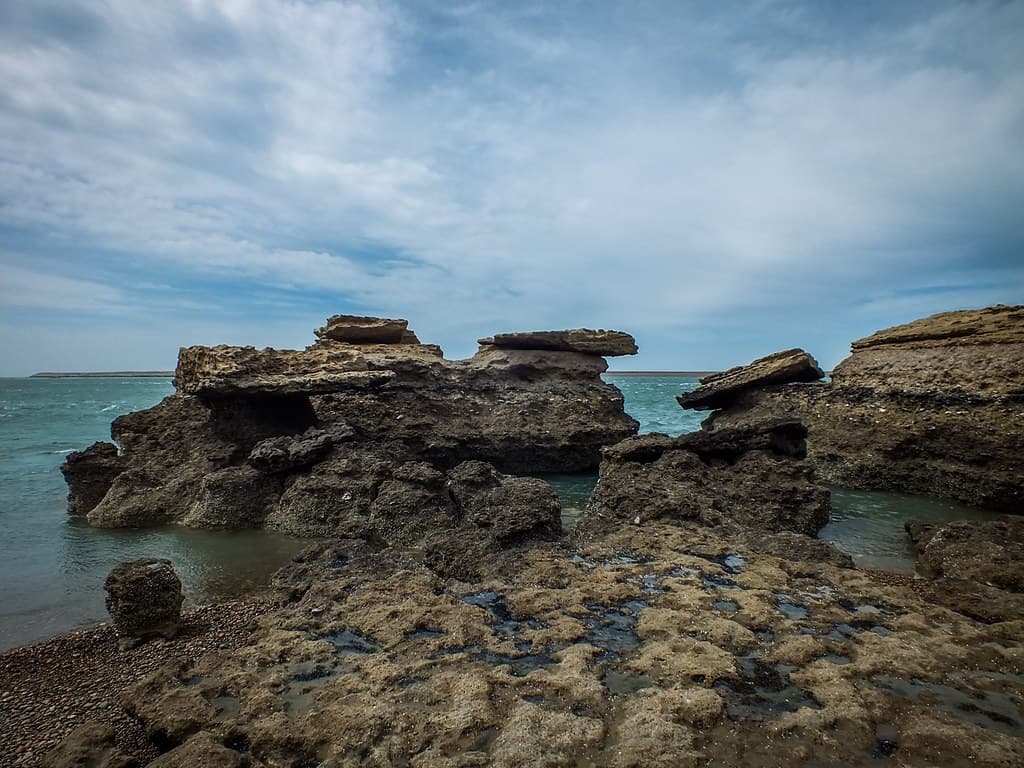
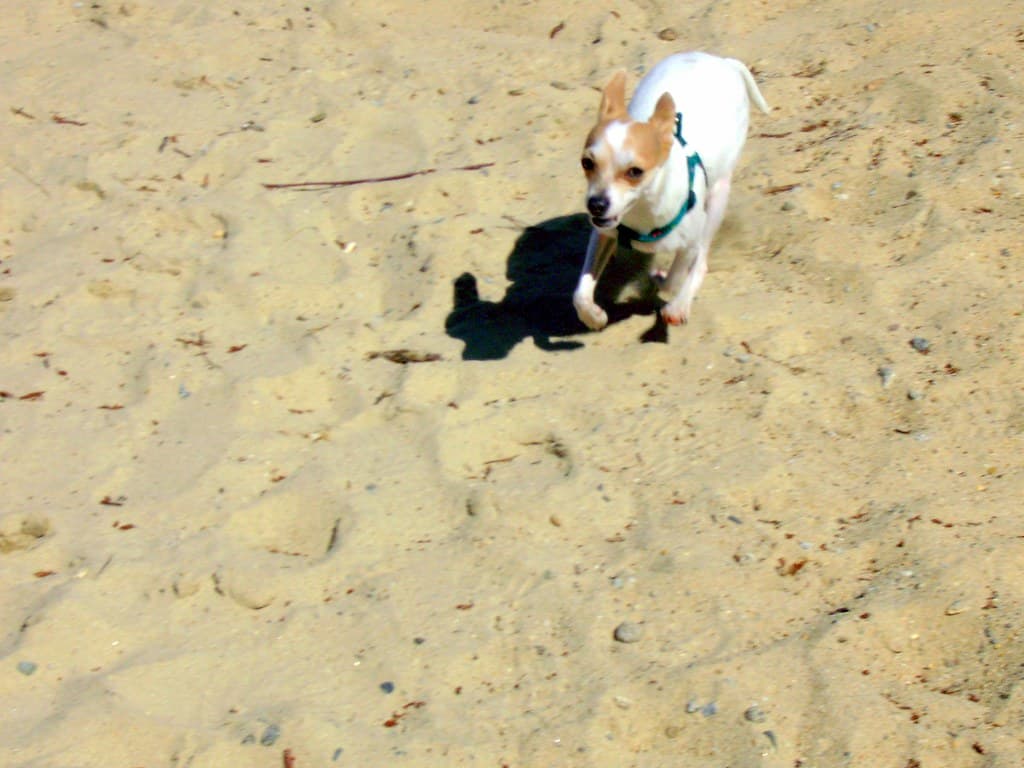
You'll walk down to Playa Punta Quilla from the port road, descending past rusted machinery and stacked crab traps to reach a beach that exists in the shadow of maritime commerce. Cargo vessels anchor offshore waiting for the tide, their hulls towering above the waterline, while smaller fishing boats work the shallows dragging nets for shrimp. The beach itself is coarse pebbles mixed with broken shells, the tide line marked by a wrack of kelp, plastic flotsam, and the occasional lost buoy. The bluffs behind the beach rise in layers of sedimentary rock—tan, rust, and charcoal bands that record millions of years of geological deposition. Erosion has carved them into soft curves and overhangs where rock doves nest, their cooing audible between wind gusts. At low tide, the beach extends significantly, revealing tide pools in the rock platforms where crabs scuttle between anemones and mussels cluster in the splash zone. The water is turbid with estuary sediment, ranging from chocolate brown after heavy rain to olive green on calmer days. This isn't wilderness, but it offers an honest portrait of coastal Patagonia's working relationship with the sea. Children from town ride bikes down to skip stones while their parents check crab traps set near the point. Ships' horns echo off the bluffs as vessels navigate the channel. You'll share the beach with locals walking dogs, anglers casting for pejerrey, and the occasional trucker taking a break from the long haul between Rio Gallegos and the interior. It's functional, familiar, and unapologetically real.
Places, rentals, tours and events within walking and driving distance of Playa Punta Quilla.
Photos
Swimming at Playa Punta Quilla is not recommended due to extremely cold water temperatures typical of Patagonian Atlantic coastal areas. The water remains frigid year-round, rarely exceeding 12°C even in summer. Strong tidal currents in the estuary area create additional hazards. The pebble beach and often windy conditions make it better suited for coastal walks and sightseeing rather than water activities. If you choose to wade, wear appropriate footwear as the pebbles can be slippery and uncomfortable. Always monitor changing tides and weather conditions, which can shift rapidly in this region.
Playa Punta Quilla can be visited year-round, though conditions are most pleasant during the austral summer from December to March when temperatures range from 10-18°C. Summer offers the longest daylight hours for exploration and more stable weather. However, being tagged for 'anytime' visits, shoulder seasons (November and April) and even winter can be rewarding for those seeking solitude and dramatic Patagonian landscapes. Winter brings harsh winds and cold, but fewer crowds. The beach's proximity to Puerto Santa Cruz's port area makes it accessible regardless of season, though always prepare for strong winds characteristic of Patagonia.
Playa Punta Quilla is easily accessible from Puerto Santa Cruz town center, located near the port area. You can reach it by car, taxi, or even on foot depending on your starting point in town. The beach is close to the main coastal road, making it one of the more accessible beaches in the area. Puerto Santa Cruz itself is reached via Route 3, approximately 250 km south of Río Gallegos. The town has basic services including gas stations. No special permits or boat access are required, unlike many other beaches in the region, making it convenient for independent travelers.
Being close to Puerto Santa Cruz's port area, you'll find accommodation and dining options within the town itself. The town offers modest hotels, hostels, and guesthouses suitable for travelers exploring coastal Santa Cruz province. Local restaurants serve traditional Argentine fare with emphasis on Patagonian lamb and seafood when available. The beach itself has no facilities, so bring water and snacks if planning an extended visit. Puerto Santa Cruz is a small working port town with basic amenities rather than extensive tourist infrastructure. Shopping for supplies is possible in town, though options are limited compared to larger cities.
Playa Punta Quilla's easy accessibility from Puerto Santa Cruz makes it practical for families, requiring no boat trips or extensive hiking. The pebble beach is relatively safe for supervised children to explore tide pools and observe coastal wildlife. The beach's proximity to town means facilities and services are nearby if needed. The sheltered estuary location offers some protection from the strongest Atlantic winds, though Patagonian weather remains challenging. Being less remote than other regional beaches, families can visit for shorter periods and return to town easily. The scenic coastal views and opportunities for beachcombing provide educational value for children interested in nature.