Counting the waves…
Counting the waves…

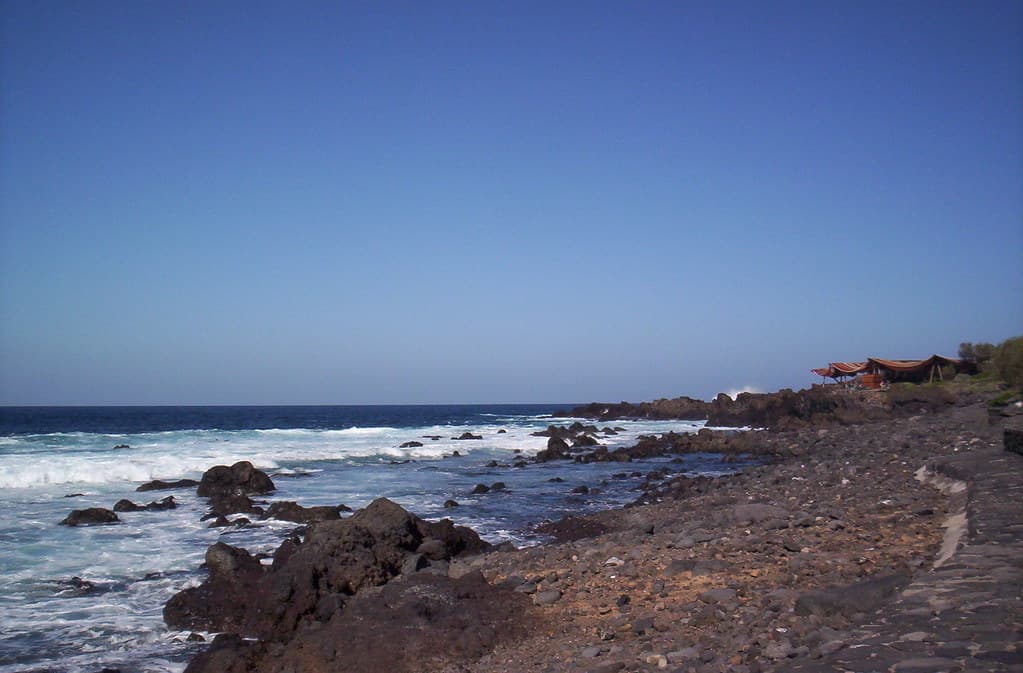
The zodiac's bow scrapes pebbles, and you step onto a beach that smells of kelp and guano—the signature perfume of active penguin habitat. Magellanic penguins maintain burrows in the tussock grass above the high-tide line, and they waddle past you with the determined gait of commuters late for work. Their path to the water has worn a visible track through the beach stones, generations of webbed feet polishing a route to the feeding grounds offshore. The island is small enough to circumnavigate in an hour, but you won't. You'll find a spot on the leeward shore, settle onto a drift log worn smooth by weather, and watch. Flightless steamer ducks patrol the kelp beds, diving for mollusks and emerging with shells they crack against rocks. A southern sea lion might surface offshore, regarding you with the same curiosity you're directing toward the penguins. The light here shifts constantly as clouds race across the channel, turning the water from slate to silver to something approaching blue. What makes Alicia valuable is its position along wildlife corridors that connect feeding areas with nesting sites. You're not visiting an attraction; you're briefly entering a network of animal movements that predates human presence in Tierra del Fuego by millennia. When a skua dive-bombs a penguin carrying fish to its chick, when a kelp gull steals a beakful of nesting material, you're witnessing the unglamorous mechanics of ecosystem function. It's not cute. It's better than cute—it's real.
Places, rentals, tours and events within walking and driving distance of Playa Isla Alicia.
Photos
Swimming at Playa Isla Alicia is not recommended for general visitors. Beagle Channel waters maintain frigid temperatures of 4-9°C (39-48°F) year-round, posing severe hypothermia risks within minutes of immersion. The island's exposed location experiences strong currents and sudden weather changes common in this subantarctic region. Most visitors come for wildlife observation and nature appreciation rather than water sports. If you plan any water contact, specialized cold-water equipment is essential. Never swim without proper supervision and thermal protection. The beach experience here centers on scenic beauty and fauna viewing, not aquatic recreation.
Plan your visit to Playa Isla Alicia between December and March for optimal conditions. These summer months provide the warmest temperatures (10-15°C), longest daylight hours, and most stable weather for boat travel. January and February are particularly favorable with calmer seas and active wildlife. November and March offer fewer crowds while maintaining acceptable conditions, though weather becomes less predictable. For wildlife enthusiasts, different species appear seasonally, so research specific animals of interest. Winter months (June-August) present extreme challenges with minimal daylight, harsh weather, and very limited boat access to this remote eastern island location.
Access to Playa Isla Alicia requires booking a boat tour or private charter from Ushuaia's port. The island lies east of Ushuaia in the Beagle Channel along wildlife routes. Not all standard tourist boats visit this specific island, as it's less famous than penguin colonies or lighthouse destinations. Inquire with tour operators about itineraries that include eastern Beagle Channel islands and wildlife observation routes. Travel time varies based on sea conditions and vessel type. Confirm the specific stops included in your tour, as Isla Alicia's hidden nature means fewer operators include it in standard packages.
Playa Isla Alicia has no tourist infrastructure, dining facilities, or accommodation options. The small island is uninhabited and only accessible via day trips from Ushuaia. Visitors must bring all necessary provisions, though many boat tours include meals or snacks as part of the package. All lodging is located in Ushuaia, where you'll find diverse accommodation ranging from budget-friendly hostels to upscale hotels. Pack adequate food, water, and weather-appropriate supplies for your boat excursion. Overnight stays on the island are not standard tourism practice and would require special permits plus self-sufficient camping equipment for extreme conditions.
Playa Isla Alicia's primary distinction is its wildlife-route value and hidden character, attracting fewer visitors than famous destinations like penguin colonies or lighthouse islands. Its eastern position in the Beagle Channel provides unique perspectives of Tierra del Fuego's remote landscapes and pristine wilderness. The island serves as habitat for various seabirds and marine mammals, offering genuine wildlife encounters without crowds. Its low-profile status appeals to travelers seeking authentic nature experiences beyond standard tourist circuits. The combination of scenic beauty, wildlife opportunities, and relative solitude makes Isla Alicia special for adventurous visitors prioritizing unspoiled environments over developed attractions.