Counting the waves…
Counting the waves…
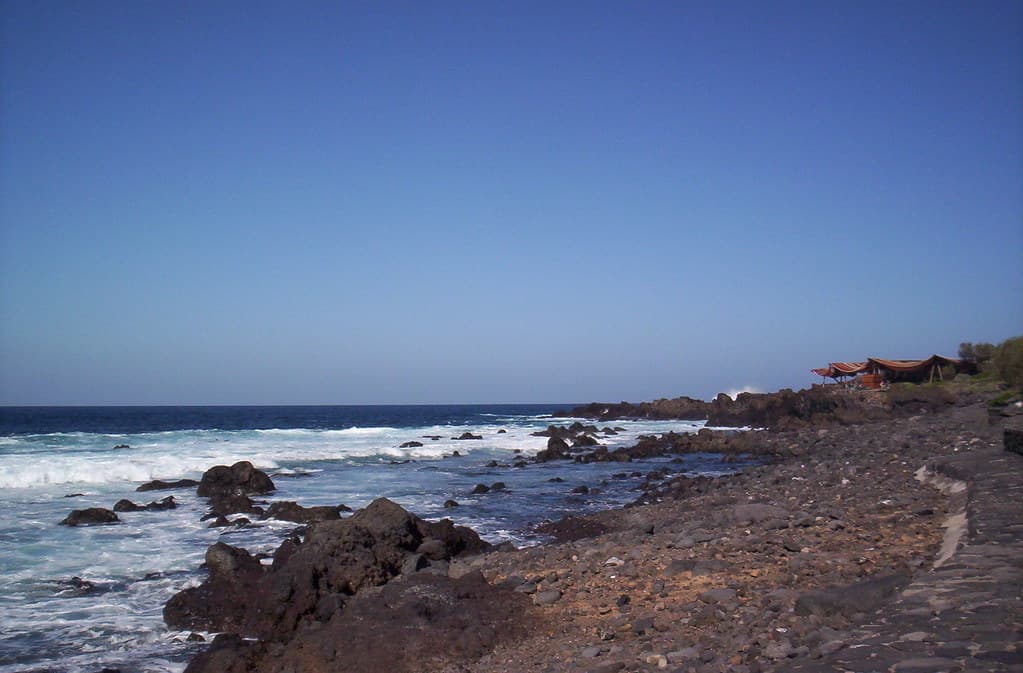
Your captain noses the boat into a narrow cove on Isla Casco's lee side, cutting the engine as the hull scrapes pebbles. The beach is barely fifty meters long, hemmed by stunted ñire trees whose trunks twist away from prevailing westerlies. Underfoot, the stones range from egg-sized to fist-sized, smoothed to an almost unnatural roundness by the channel's ceaseless motion. The water here holds a particular clarity—not tropical, but the hard transparency of snowmelt and deep cold. You can count individual stones three meters down, watch the slow wave of kelp fronds anchored to the bottom. A pair of steamer ducks patrols the shallows, their calls harsh and territorial. Behind the beach, a narrow band of coirón grass marks the transition between tide and tree line, and beyond that, the forest thickens into impenetrable lenga scrub. Most Beagle Channel tours skip Isla Casco entirely, favoring larger islands with penguin colonies or historic sites. That absence is precisely the point. You'll have perhaps thirty minutes before the captain checks the sky and decides it's time to move—long enough to understand that some beaches exist not for lingering but for witnessing, brief encounters with places that owe you nothing and offer even less, except the truth of their own indifference.
Places, rentals, tours and events within walking and driving distance of Playa Isla Casco.
Photos
Swimming is extremely dangerous and not advised. Beagle Channel waters remain bitterly cold throughout the year, with temperatures rarely exceeding 9°C (48°F). Hypothermia can set in within minutes of immersion. The beach's remote island location means emergency help is far away, and unpredictable currents pose additional risks. Weather can deteriorate rapidly, creating hazardous conditions. The beach is best enjoyed for exploration, photography, and observing coastal wildlife from shore. Always stay alert to changing tides and weather patterns.
Visit between December and February for the best conditions, when the austral summer brings milder temperatures of 10-15°C (50-59°F) and extended daylight hours. These months provide the calmest seas for boat travel and most reliable weather, though Patagonian conditions remain unpredictable. November and March offer fewer crowds but more variable weather. Avoid winter months (June-August) when extreme cold, storms, and short daylight make access difficult or impossible. Summer also provides the best wildlife viewing opportunities around the Beagle Channel islands.
This small island beach requires boat access from Ushuaia, typically via private charter or specialized tour operators offering routes beyond standard itineraries. Most mainstream Beagle Channel tours don't include this lesser-known island, so seek operators providing custom or extended trips. Travel time depends on exact departure points and weather conditions. Sea conditions can change quickly, sometimes forcing cancellations or route changes. Ensure your operator has experience navigating these waters and appropriate permissions for island landings in protected areas.
The island is completely uninhabited with zero facilities, so visitors must be entirely self-sufficient. Bring all food, drinking water, and emergency supplies from Ushuaia. Most travelers visit as a day trip, packing picnic lunches and hot drinks in thermoses. Ushuaia, approximately an hour or more by boat depending on conditions, has full accommodation ranging from budget hostels to upscale hotels. Some expedition operators offer multi-day sailing trips with onboard sleeping quarters. Practice leave-no-trace principles, packing out all rubbish.
This beach stands out for its low-profile status outside typical tourist circuits, offering genuine solitude for travelers seeking off-the-beaten-path experiences. Its small size creates an intimate atmosphere, and the island's position provides distinct views of surrounding Beagle Channel geography. Unlike heavily visited sites like Isla Martillo's penguin colonies, you'll likely encounter few if any other visitors. The isolation preserves pristine natural conditions, ideal for wildlife observation and nature photography. The adventure of reaching this hidden spot appeals to explorers wanting authentic Patagonian wilderness experiences.