Counting the waves…
Counting the waves…

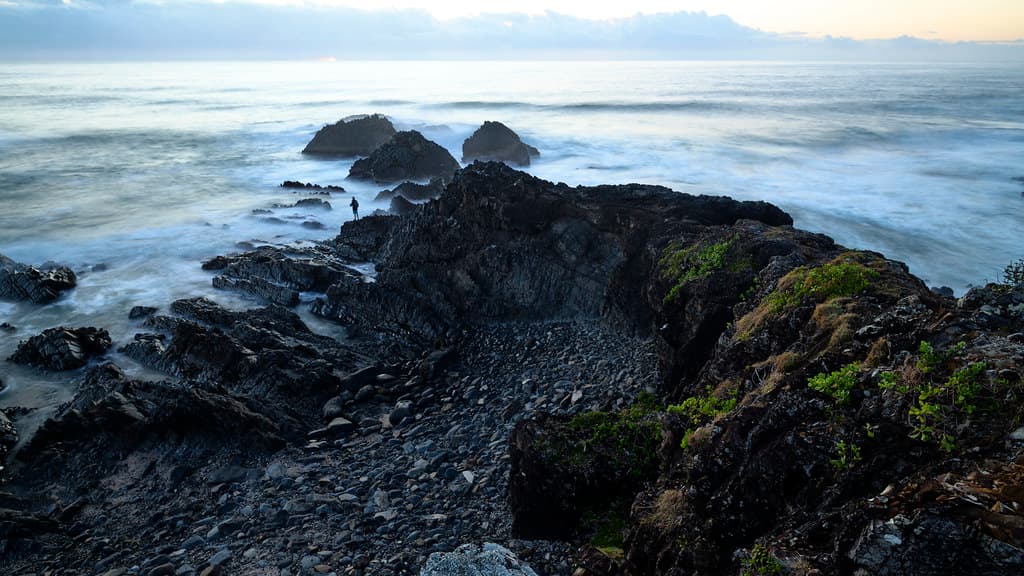
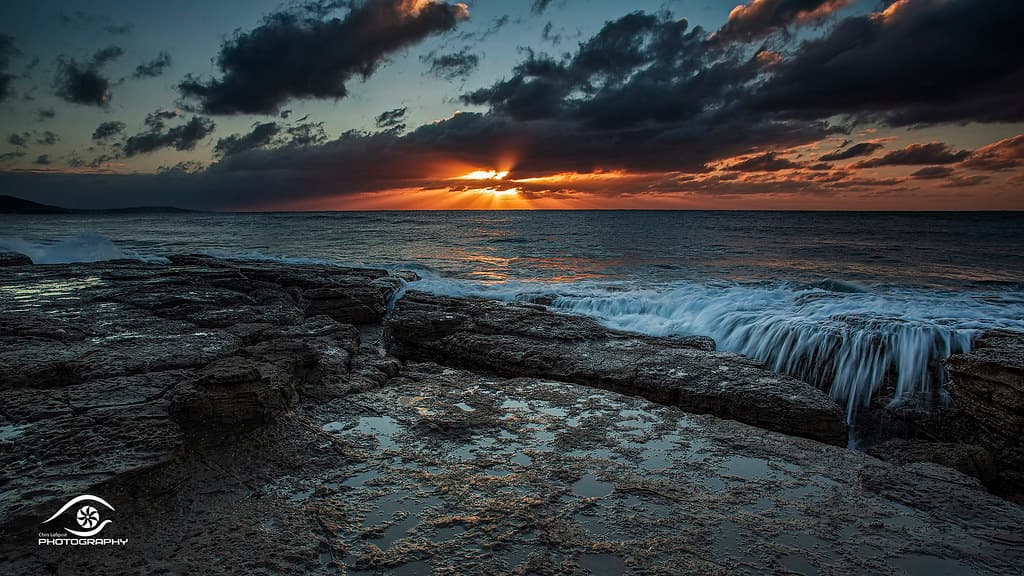
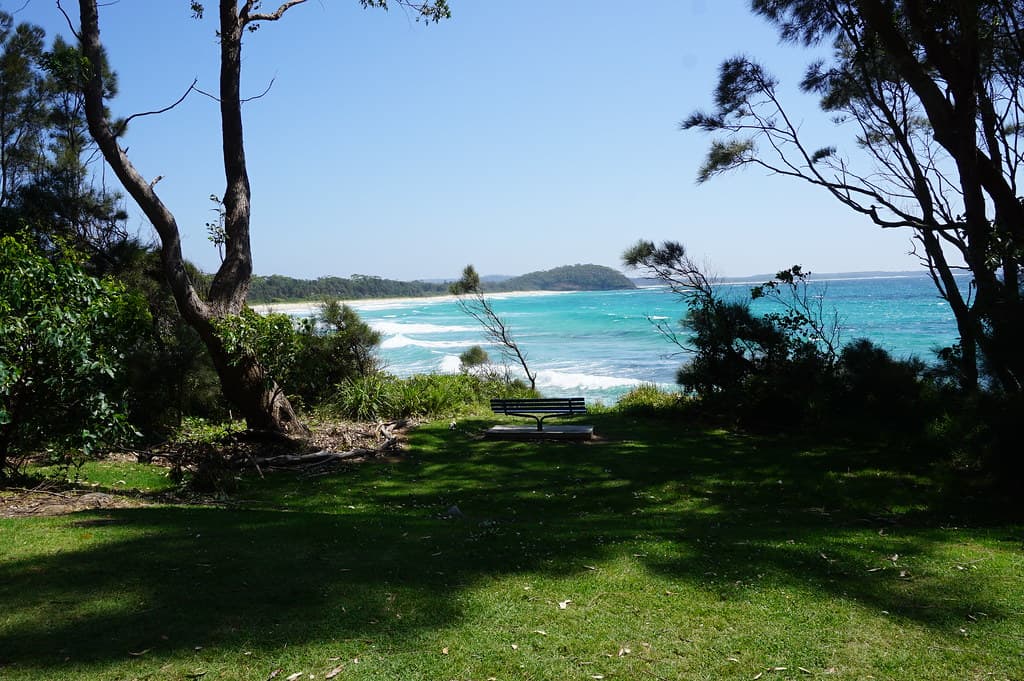
Broulee Beach unfurls along a generous kilometre-long arc where the Tasman Sea meets a sheltered bay protected by basalt headlands. You'll notice families cluster near the northern rockpool, where toddlers chase foam in ankle-deep water while their parents spread picnics on the coarse-grained sand. The beach slopes gently here, but walk south and the energy shifts—longboarders paddle out beyond the flags, reading sets that roll in from deep water. Broulee Island rises just two hundred metres offshore, a weathered granite dome fringed with bull kelp and sea lettuce. You'll need fins to reach it comfortably; the channel between beach and island runs deep enough that your feet won't touch bottom. Once there, eastern rock lobsters scuttle beneath ledges while schools of yellowtail scad flash silver in the shafts of filtered sunlight. The island's lee side offers calmer conditions when southerlies whip the main beach into whitecaps. The town itself barely interrupts the coastal scrub—a surf club, a general store, a scattering of fibro beach shacks weathered to driftwood grey. Banksia trees lean landward, sculpted by prevailing winds, and in spring the headland blazes with coastal wattle. You'll hear kookaburras at dawn and the rhythmic thump of waves against the southern rocks at high tide, a soundtrack that hasn't changed in decades.
Places, rentals, tours and events within walking and driving distance of Broulee Beach.
Photos
Broulee Beach is considered one of the safer beaches in the Batemans Bay area and is excellent for families. The beach offers both sheltered northern end with calmer waters ideal for children and more exposed southern areas for confident swimmers. Surf Life Saving patrols operate during summer holidays and weekends. The presence of Broulee Island provides natural protection from large swells. Always swim between the red and yellow flags when lifeguards are on duty, and be aware that conditions can change quickly outside patrolled hours.
Broulee Beach is enjoyable year-round, with each season offering different experiences. Summer (December-February) brings warm water temperatures around 20-22°C and patrolled swimming areas, though it's the busiest period. Autumn and spring offer pleasant weather with fewer crowds, ideal for snorkeling around Broulee Island. Winter is quieter and popular with surfers, though water temperatures drop to 16-18°C. The South Coast's mild climate means comfortable beach visits any time, with average daily temperatures ranging from 12°C in winter to 26°C in summer.
Broulee Beach is located approximately 10 kilometers south of Batemans Bay via the Princes Highway. Turn onto George Bass Drive and follow signs to Broulee. There's a large car park at the northern end of the beach off Broulee Road, with additional parking along beachfront streets. During peak summer periods, parking can be limited, so arriving early is recommended. The beach is also accessible from the scenic coastal walking track. No public transport directly serves the beach, so a car is the most practical option for visitors.
Broulee Beach has a surf club kiosk operating during summer months offering basic refreshments and meals. The nearby Broulee village, just a short walk from the beach, features several cafes, a general store, and takeaway options. Public amenities include toilets, showers, and picnic areas near the main car park. For accommodation, Broulee offers holiday rentals, a caravan park, and guesthouses within walking distance of the beach. More extensive dining and shopping options are available in Batemans Bay, approximately 10 minutes' drive north.
Broulee Island, accessible by a short swim or wade at low tide, creates a protected marine environment teeming with sea life. The island's rocky reefs and kelp forests attract diverse species including eastern blue gropers, cuttlefish, seahorses, and colorful reef fish. The sheltered waters between the island and beach offer excellent visibility, particularly in calmer months. Divers also explore the area's underwater boulders and caves. Always check conditions before swimming across, wear a wetsuit for warmth and protection, and be mindful of boat traffic in the channel.