Counting the waves…
Counting the waves…

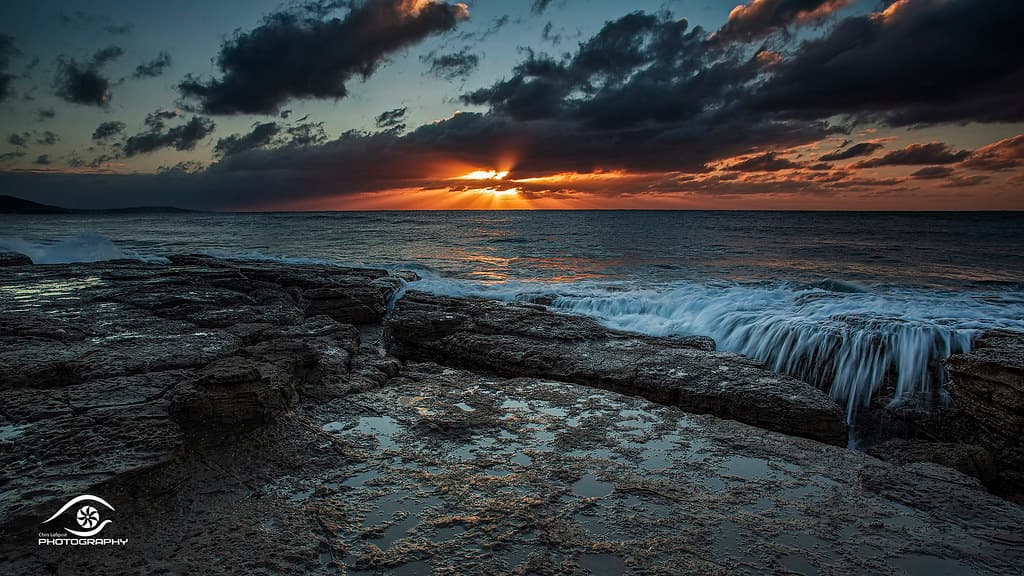
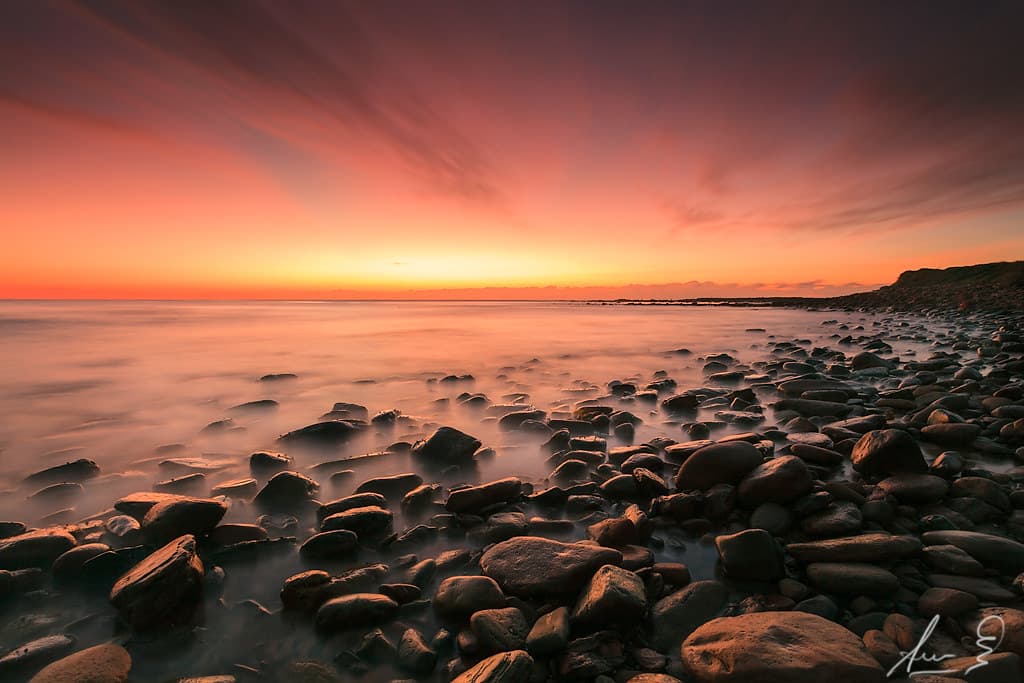
The stones shift and clatter beneath your boots as you step onto Pebbly Beach, a sound like distant applause carried on the salt wind. Within minutes, you'll likely encounter your first eastern grey kangaroo—not in a zoo enclosure or wildlife park, but here on the sand, utterly unbothered by your presence. They graze on tussock grass near the dunes, mothers with joeys peering from pouches, big males reclining in the afternoon shade. The scene feels improbable: marsupials and shoreline, bush and breakers, as if two quintessentially Australian landscapes have collided. The beach itself stretches in a south-facing arc, where rounded stones—polished by millennia of wave action—replace the expected sand. Murramarang National Park presses close behind, banksia and coastal wattle forming a dark green wall. The surf here is earnest, not gentle; waves slam onto the shore with force enough to tumble the pebbles into a growling percussion. Tide pools collect between rock platforms at the southern end, harboring anemones and small crabs. You'll share this stretch with few others. The gravel road in discourages casual visitors, and the basic campground nearby attracts those willing to trade amenities for proximity to something rare: a place where wildlife moves through its daily routine as if humans are merely another feature of the coast. At dusk, kangaroos emerge from the forest in greater numbers, and you'll stand still, listening to the stones rattle and the waves break, watching Australia be itself.
Places, rentals, tours and events within walking and driving distance of Pebbly Beach.
Photos
Pebbly Beach is generally safe for swimming, though conditions vary with weather and seasons. The beach is relatively sheltered, but waves can be strong during storms or high winds. There are no lifeguard services, so swim at your own risk and stay close to shore if you're not a confident swimmer. The beach has rocky areas and pebbles underfoot, so water shoes are recommended. Always check local conditions before entering the water and never swim alone at unpatrolled beaches.
Kangaroos can be spotted year-round at Pebbly Beach, making any season a good time to visit. Early morning and late afternoon typically offer the best wildlife viewing opportunities when kangaroos are most active. The beach is accessible in all seasons, though summer (December-February) brings warmer weather for swimming. Winter months are cooler but often clearer for photography. Weekdays tend to be quieter than weekends, giving you a better chance for close kangaroo encounters without crowds.
Pebbly Beach is located within Murramarang National Park, approximately 10 kilometres south of Bawley Point on the NSW South Coast. From the Princes Highway, follow signs to Pebbly Beach via Kioloa. The beach access road leads to a small parking area near the beach, with additional parking at the nearby campground. A national park entry fee applies. The final approach involves a short walk from the car park to the beach. The roads are generally suitable for regular vehicles in good weather.
Pebbly Beach has a basic campground within Murramarang National Park offering powered and unpowered sites, but no shops or restaurants on-site. The nearest towns with amenities are Bawley Point (10km north) and Termeil (similar distance), offering limited shops and cafes. For fuller services, Ulladulla (approximately 25km north) has supermarkets, restaurants, and various accommodation options including hotels and holiday rentals. Visitors should bring supplies, especially if camping, as facilities at Pebbly Beach itself are minimal.
Feeding the kangaroos at Pebbly Beach is strongly discouraged and may be prohibited under national park regulations. Human food can harm wildlife and make them dependent on handouts, altering their natural behaviour. While the kangaroos are often approachable and habituated to humans, maintain a respectful distance and never attempt to touch or corner them. Kangaroos can scratch or kick if they feel threatened. Observe quietly, move slowly, and use zoom lenses for photographs to enjoy these unique wildlife encounters safely and responsibly.