Counting the waves…
Counting the waves…

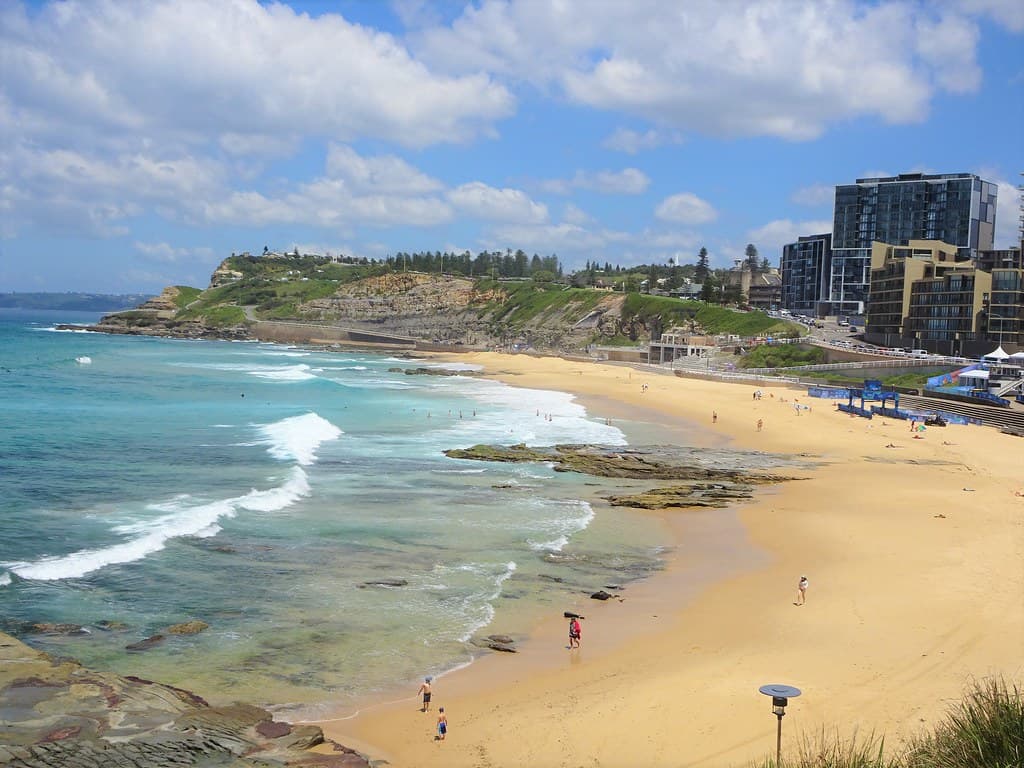
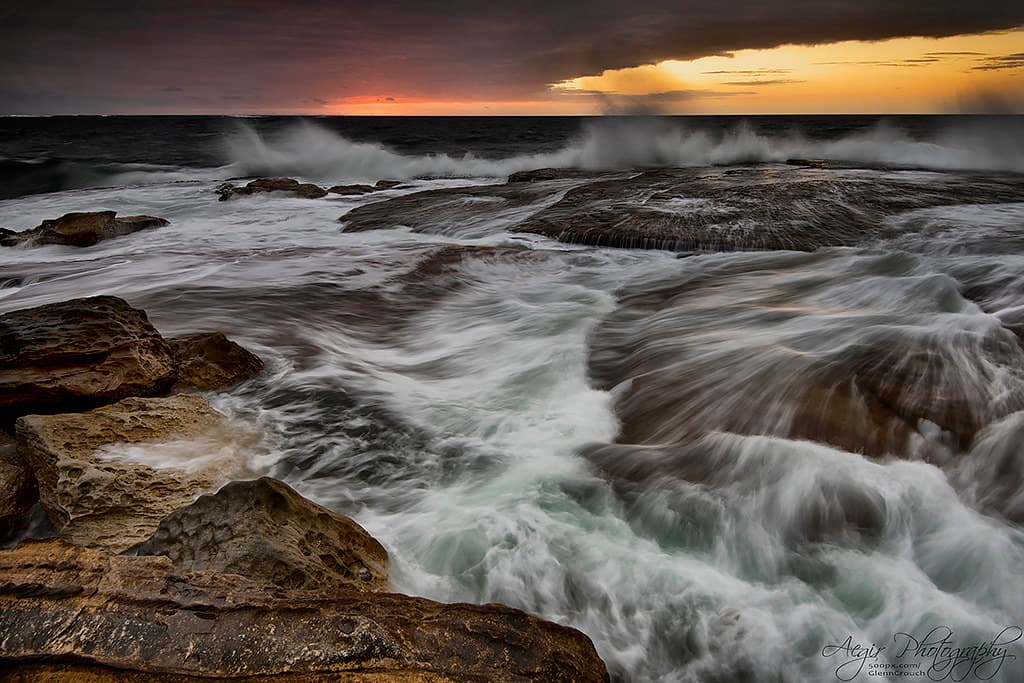
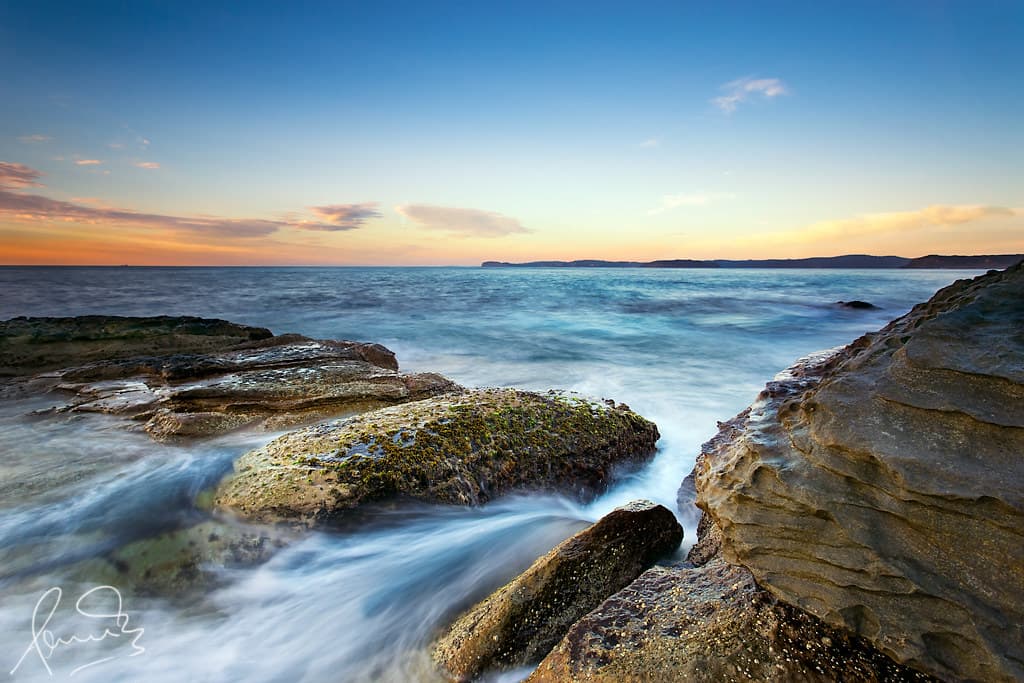
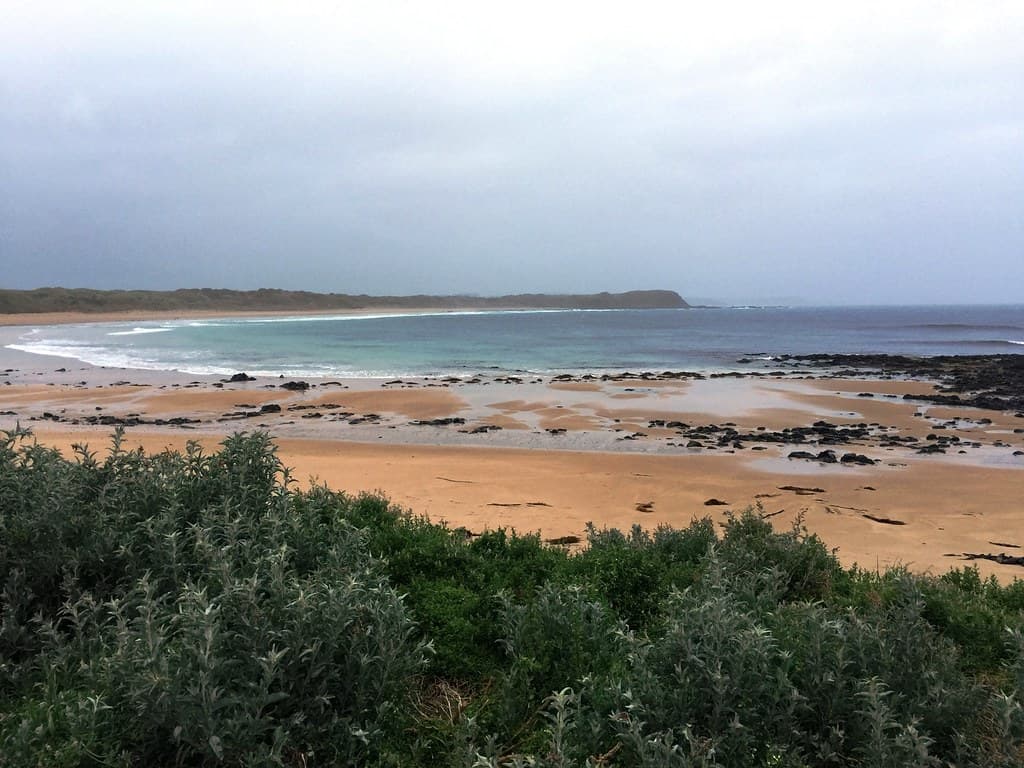
Little Beach earns its name honestly. Wedged between Maitland Bay and the busier stretches of Bouddi National Park, this compact cove demands a commitment: a near-vertical descent down timber and stone steps that hairpin through banksias and scribbly gums. Your thighs will remember the return climb. But the effort filters out the crowds, and what awaits is a scoop of tawny sand bookended by rust-streaked sandstone shelves that glow burnt orange when the afternoon light slants in from the west. The water here is cooler than you expect—currents sweep north from the open Tasman—but it's honest swimming, none of the murk you find in harbour beaches. At low tide, the rock platforms reveal tidal pools crowded with cunjevoi and Neptune's necklace, and if you wade out past the shore break you'll spot the occasional wobbegong threading through the kelp. There's no kiosk, no umbrella hire, no lifeguard tower. Bring what you need and take it back with you. Couples claim the northern rocks at dusk, perched on sandstone ledges as the sun drops behind the ridge and paints the water copper and plum. The quiet here isn't the manufactured kind; it's earned by distance and effort, and it makes every visit feel like a rediscovery rather than a return.
Places, rentals, tours and events within walking and driving distance of Little Beach.
Photos
Little Beach is generally a sheltered cove protected by rocky headlands, making it calmer than nearby ocean beaches. However, conditions vary with tides and weather. The beach is unpatrolled, so swimmers should exercise caution and check local surf reports before entering the water. The rocky surrounds can create currents during high tide. It's best suited for confident swimmers, and children should be supervised at all times. The secluded nature means fewer people around in emergencies, so always swim with a companion.
Little Beach can be enjoyed year-round thanks to the Central Coast's temperate climate. Summer (December-February) offers warm swimming weather but can be busier on weekends. Autumn and spring provide pleasant temperatures with fewer crowds, ideal for peaceful beach walks. Winter mornings can be particularly scenic with crisp air and often calm seas. Early morning or late afternoon visits any season offer the best light for photography and typically quieter conditions. Weekdays are significantly less crowded than weekends throughout the year.
Little Beach is accessed via a walking track from Hawke Head Drive in Bouddi National Park. There's limited street parking along Hawke Head Drive near the trailhead. The walk to the beach takes approximately 10-15 minutes through coastal bushland and can be steep in sections, so wear sturdy footwear. The track is well-maintained but not wheelchair accessible. Arrive early on weekends and holidays as parking fills quickly. Consider staying nearby in Killcare or Hardy's Bay to walk to the trailhead.
Little Beach has no facilities—no toilets, showers, cafes, or kiosks. It's an undeveloped beach within Bouddi National Park, so bring everything you need including water, food, and sunscreen. The nearest amenities are in Killcare village (approximately 2km away), which has cafes, restaurants, and general stores. For accommodation, Killcare and nearby Hardy's Bay offer holiday rentals, boutique accommodation, and bed and breakfasts. Pack out all rubbish to help preserve this pristine environment.
Little Beach offers a more secluded, intimate experience compared to larger Bouddi beaches like Putty Beach. Its small size and bush walking access mean it attracts fewer visitors, creating a hidden-gem atmosphere popular with locals and couples seeking privacy. The beach is framed by dramatic rock formations and native coastal vegetation, offering excellent photo opportunities. Unlike developed beaches in the area, its untouched natural setting within the national park provides a genuine escape-from-it-all experience for those willing to make the short bushwalk.