Counting the waves…
Counting the waves…

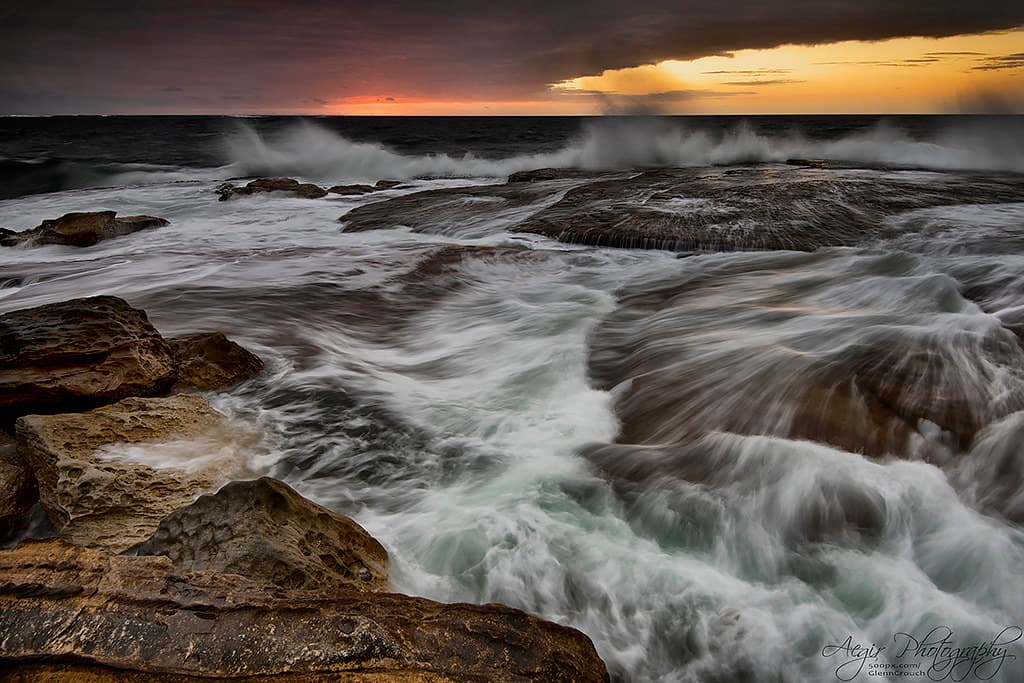
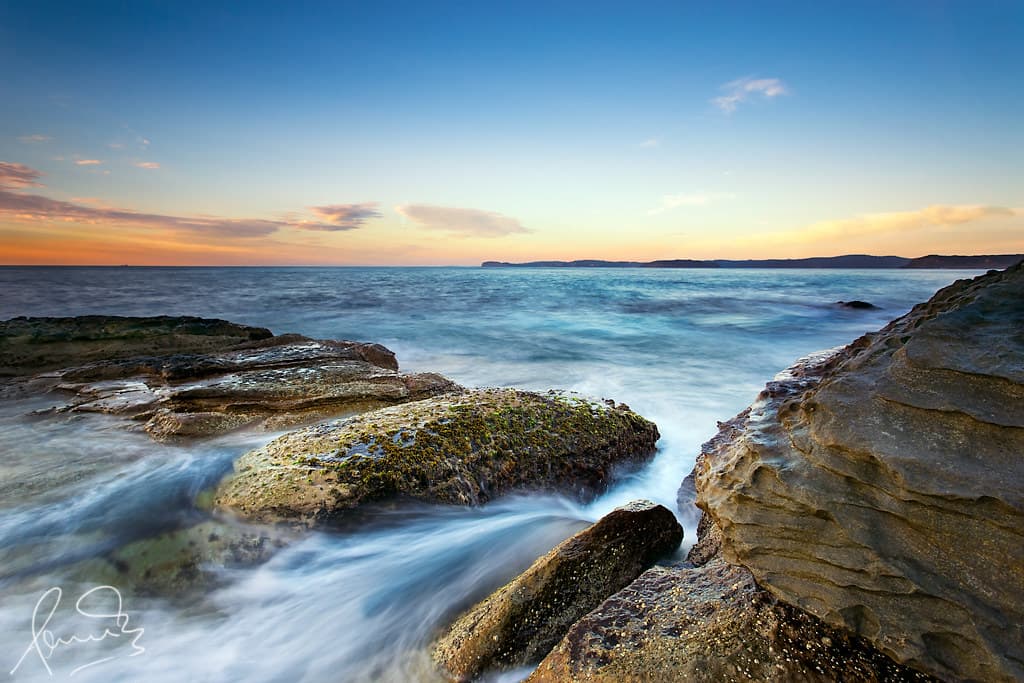
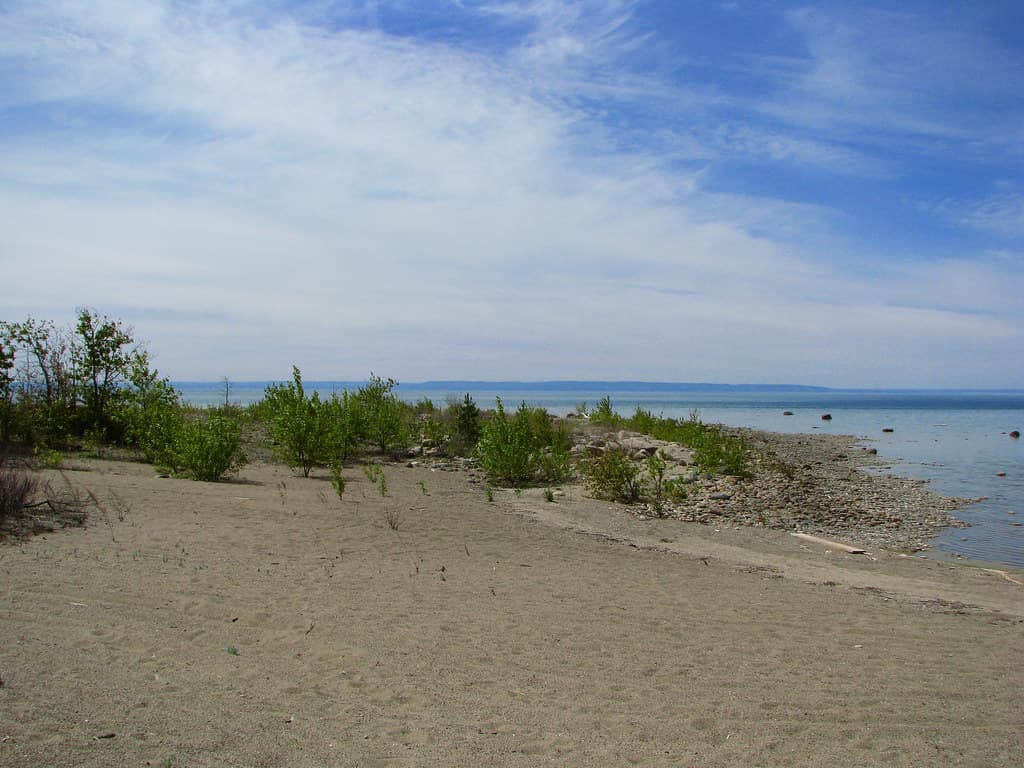
The trail from the Bouddi Coastal Walk car park winds downward through heath that smells of eucalyptus and salt, the canopy thinning as you drop toward sea level. Your knees will remind you this is a proper descent—switchbacks carved into sandstone, tree roots serving as natural handholds. Then the forest opens and Maitland Bay unfolds below: a crescent of tawny sand bookended by headlands striped in rust and cream, waves unfurling in sets that echo off the rock walls. Most beachgoers on the Central Coast stick to the car parks at Avoca or Terrigal. That exodus leaves Maitland Bay to those willing to carry their towels and water bottles down the slope. The sand here is coarser than its northern neighbors, mixed with small rounded stones the tide has worked smooth. Rock platforms jut into the shallows at low tide, creating shallow lagoons warm enough for a long soak. Bring shoes with grip; the sandstone can be slick with sea spray. The return climb demands a slow pace and a few rest stops where the path doubles back on itself. By late afternoon, the westward-facing cliffs glow burnt orange, and if you time it right, you'll have the entire ascent to yourself. No kiosk. No lifeguard tower. Just the weight of your daypack and the satisfaction of a beach that asks something of you in return.
Places, rentals, tours and events within walking and driving distance of Maitland Bay Beach.
Photos
Maitland Bay Beach is generally calm and suitable for swimming, though it's unpatrolled, so swim at your own risk. The bay's sheltered position usually means gentler conditions than ocean-facing beaches, but always check for rips and currents before entering. Rocks at either end create natural pools that are safer for families. Since there are no lifeguards, avoid swimming alone and never swim during rough weather. The secluded nature means help is not immediately available, so assess conditions carefully and stay within your abilities.
Maitland Bay Beach is beautiful year-round, with each season offering something different. Summer (December-February) brings warm swimming weather but more visitors on weekends. Autumn and spring offer pleasant temperatures, fewer crowds, and excellent conditions for the coastal walk. Winter is ideal for solitude and whale watching (June-November), though water is cooler. Weekdays are quieter than weekends regardless of season. Early morning visits reward you with better light for photography and potential wildlife sightings along the track. Check tide times for optimal beach access and rock pool exploration.
Access to Maitland Bay Beach requires a 20-30 minute bushwalk through Bouddi National Park. From Sydney, drive to Killcare Heights (about 90 minutes north). Park at the Bouddi National Park car park on The Scenic Road, where a small parking fee applies. The well-marked Maitland Bay Track descends through coastal forest with some steep sections and steps. Wear sturdy shoes and bring water. The walk is moderately challenging but manageable for most fitness levels. There's no vehicle access to the beach itself, which preserves its pristine, secluded character.
Maitland Bay Beach has no facilities—no toilets, showers, cafes, or shops—so come prepared with everything you need, including food, water, and sun protection. The nearest amenities are in Killcare and Killcare Heights, about 2-3 kilometres away, where you'll find cafes, restaurants, and a general store. Popular nearby dining options include Bells at Killcare and The Stables Cafe. For accommodation, Killcare and nearby Avoca Beach offer hotels, holiday rentals, and bed-and-breakfasts. Pack out all rubbish as this is a pristine natural area within Bouddi National Park.
Yes, Maitland Bay has a designated camping area managed by NSW National Parks, making it one of the few beaches on the Central Coast where camping is permitted. The campground is basic and walk-in only, so you'll need to carry all gear down the track. Facilities are minimal—composting toilets are available but no showers or power. Book in advance through the NSW National Parks website, especially during peak seasons and school holidays. Sites accommodate tents only (no caravans due to walk-in access). Campfires are generally prohibited, so bring a portable stove for cooking.