Counting the waves…
Counting the waves…

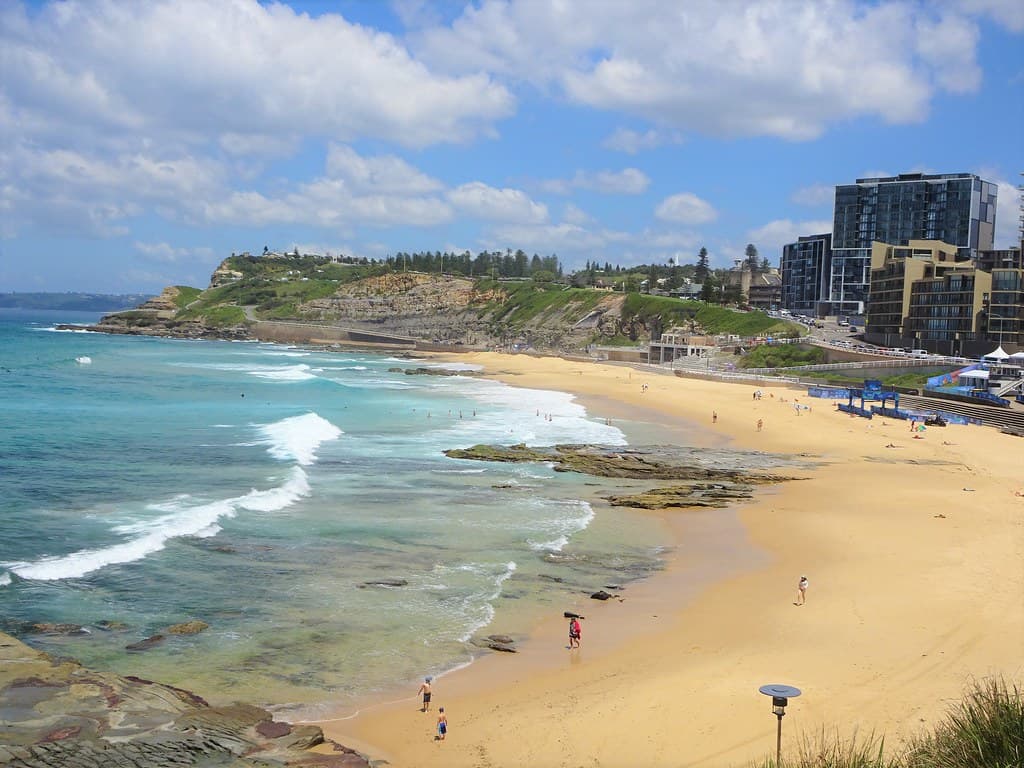
Putty Beach unfolds at the end of a winding access road, where Bouddi National Park's scribbly gums and banksias frame a long crescent of pale sand. You park beneath the trees and step onto a shore that feels sequestered—protected by park boundaries on three sides and sandstone headlands that bookend the bay. The water is unusually calm for the Central Coast, shallow enough that children wade out thirty meters before the depth reaches their waists, and clear enough to watch your feet press into rippled sand below. The beach pulls two kinds of visitors: families who claim patches of shade beneath the casuarinas and couples who walk the hard-packed sand at low tide, when the shoreline stretches wide and the distant hum of Highway 83 fades beneath bird calls. A kiosk operates near the car park during peak months, but most days you bring your own provisions and spread them on a towel while the she-oak needles tick softly overhead in the sea breeze. When the tide ebbs, rock platforms emerge on the southern end, pooling with water that traps small fish and sea stars. The northern headland trail connects to the Bouddi Coastal Walk, a track that traces clifftops all the way to MacMasters Beach. You finish the day salty and barefoot, rinsing off beneath the public showers as shadows lengthen across the sand.
Places, rentals, tours and events within walking and driving distance of Putty Beach.
Photos
Putty Beach is generally safe for swimming with its sheltered location within Bouddi National Park providing calmer waters than many ocean beaches. However, the beach is unpatrolled with no lifeguard service, so swimmers should exercise caution and stay close to shore. Always check conditions before entering the water, as currents can vary. The beach's protected setting makes it more suitable for families with children than exposed surf beaches, but supervision is essential. Avoid swimming during rough weather or if unsure of conditions.
Putty Beach is accessible year-round, with each season offering different appeal. Summer (December-February) is most popular for swimming and water activities, though it can get busy during holidays. Autumn and spring provide pleasant temperatures with fewer crowds, ideal for beach walks and picnics. Winter (June-August) is quieter and perfect for scenic strolls, though water temperatures drop. The beach's sheltered location within Bouddi National Park means it's generally more protected from strong winds than exposed coastlines, making it enjoyable across all seasons.
Putty Beach is located off Putty Beach Drive in Killcare Heights, approximately 90 minutes' drive north of Sydney via the M1 and then coastal roads through the Central Coast. A car is the most practical option as public transport to this area is limited. There is a small parking area at the beach entrance, but spaces are limited and fill quickly during peak times and weekends. Arrive early during summer holidays. The walk from the car park to the beach is short and relatively easy through bushland.
Putty Beach itself has no commercial facilities, cafes, or restaurants as it's within Bouddi National Park. The nearest dining and shopping options are in nearby Killcare and Hardys Bay, about 5-10 minutes' drive away, where you'll find cafes, restaurants, and small shops. For accommodation, the surrounding Killcare Heights and Killcare area offers holiday rentals, bed and breakfasts, and boutique lodges. It's advisable to bring your own food, water, and supplies for a beach day, as there are no kiosks or vendors on-site.
Putty Beach stands out for its natural bushland setting within Bouddi National Park, giving it a more secluded, pristine character compared to developed beach towns. The beach offers a peaceful escape with native coastal vegetation reaching almost to the sand, creating an intimate atmosphere. Its location means less commercial development and fewer crowds than popular Central Coast beaches. The surrounding national park also provides opportunities for coastal walks and wildlife spotting. This combination of accessibility and protected-land tranquility makes it special for those seeking a quieter beach experience.