Counting the waves…
Counting the waves…

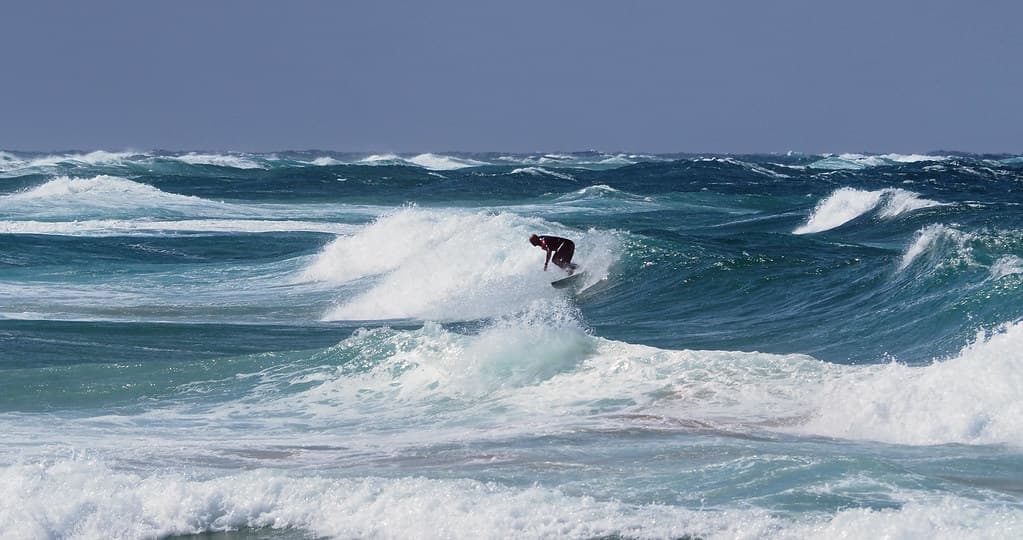
Corrimal Beach doesn't court attention. It sits between the better-known stretches of the northern Illawarra, a generous arc of golden sand backed by the grassy reserve where barbecues smoke every weekend and kites tangle in the Norfolk pines. The ocean pool carved into the southern headland fills with saltwater at high tide, its concrete edges worn smooth by decades of after-school swims and early-morning lap sessions. The surf here works best on a northeast swell, peeling left and right off the rocky points that bookend the beach. On summer mornings, you'll find the same crew of retirees walking the shoreline before the sun climbs too high, stopping to chat near the surf club that's anchored this community since 1929. The beach patrol flags go up, families claim their spots near the amenities block, and the day unfolds with the unhurried rhythm of a neighborhood that knows its beach intimately. By late afternoon, the western light turns the Illawarra escarpment bronze behind you. The rockpool empties as the tide retreats, leaving shallow puddles warm enough to stand in while the bigger sets roll past the break. This is a beach that earns its place not through spectacle but through reliability—the same stretch of sand, the same dependable waves, the same salt-worn benches facing east toward endless Pacific blue.
Places, rentals, tours and events within walking and driving distance of Corrimal Beach.
Photos
Corrimal Beach is patrolled by surf lifesavers on weekends and public holidays from September through April, making it safer for swimming during these times. Always swim between the red and yellow flags where lifeguards are actively monitoring conditions. The beach can experience strong currents and variable surf conditions, so check warning signs before entering the water. Rock pools at the southern end provide calmer options for children and less confident swimmers. If you're visiting outside patrol hours or during winter months, exercise extra caution and assess conditions carefully before swimming.
Corrimal Beach is enjoyable year-round, with each season offering different experiences. Summer (December-February) brings warm weather ideal for swimming, though weekends can get busy. Autumn and spring offer milder temperatures, fewer crowds, and excellent conditions for surfing and beach walks. Winter remains pleasant with average temperatures around 17°C, perfect for coastal strolls and rock pool exploration. Mornings generally provide calmer conditions and better parking availability. For patrolled swimming, visit on weekends and holidays between September and April when lifeguards are on duty.
Corrimal Beach has a free car park located on Railway Street, directly adjacent to the beach with approximately 100 spaces. From Sydney, take the M1 Princes Motorway south and exit at Corrimal/Towradgi Road, following signs to the beach (about 90 minutes total). By train, Corrimal Station on the South Coast Line is roughly 1.5 kilometres from the beach—a pleasant 20-minute walk. The car park fills quickly on summer weekends and holidays, so arriving before 9am is recommended during peak season.
The Corrimal Beach Pavilion houses public amenities including toilets, showers, and change rooms. Adjacent to the beach, you'll find the Corrimal Surf Club with a bistro offering meals and ocean views. Several cafes and takeaway options are located along Railway Street within easy walking distance. For more extensive dining and shopping, Corrimal's town centre is about 1.5 kilometres away with supermarkets, bakeries, and restaurants. Picnic facilities and barbecue areas are available near the beach. Accommodation options are limited directly at the beach, but nearby suburbs offer various stays.
The natural rock pools at the southern end of Corrimal Beach are a distinctive feature, especially popular with families. These tidal pools fill during high tide and provide sheltered, shallow areas perfect for young children to explore marine life and paddle safely. The pools vary in depth and size depending on tide conditions—low tide reveals the best rock platforms for exploring. They offer a gentler alternative to the open surf and are excellent for snorkelling when conditions are calm. Always supervise children closely and wear appropriate footwear as rocks can be slippery.