Counting the waves…
Counting the waves…

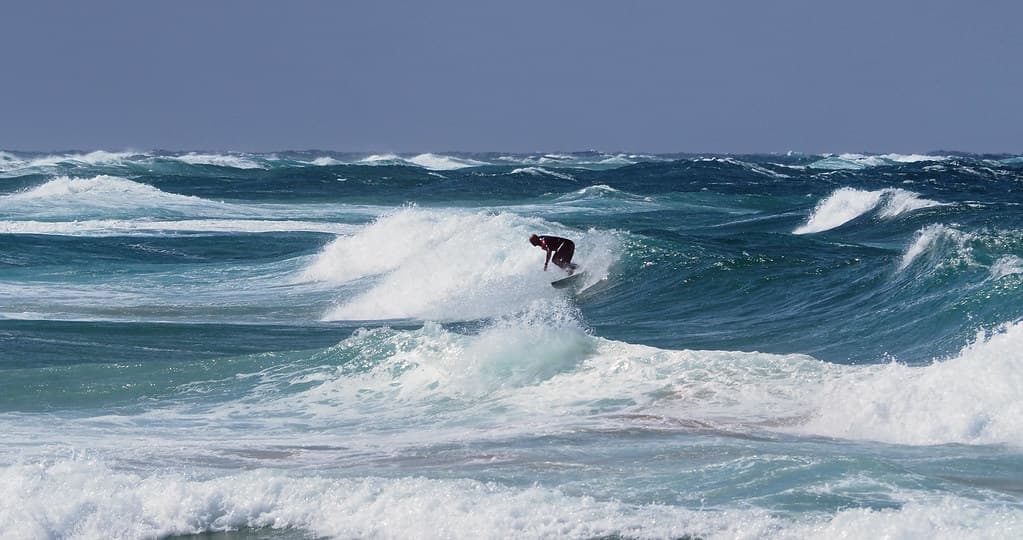
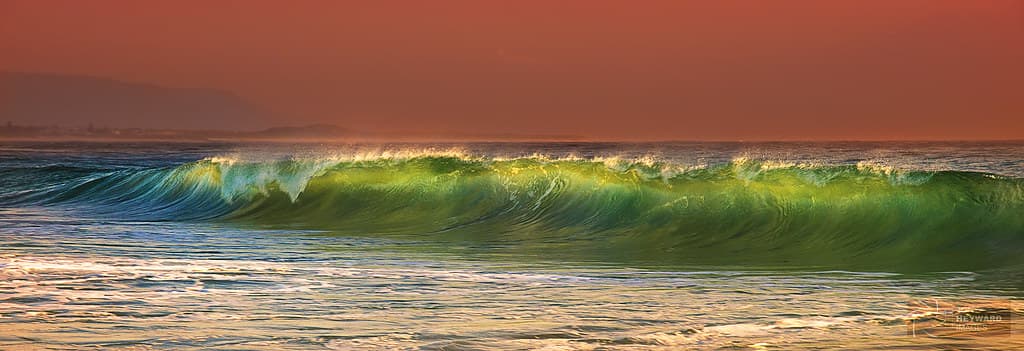
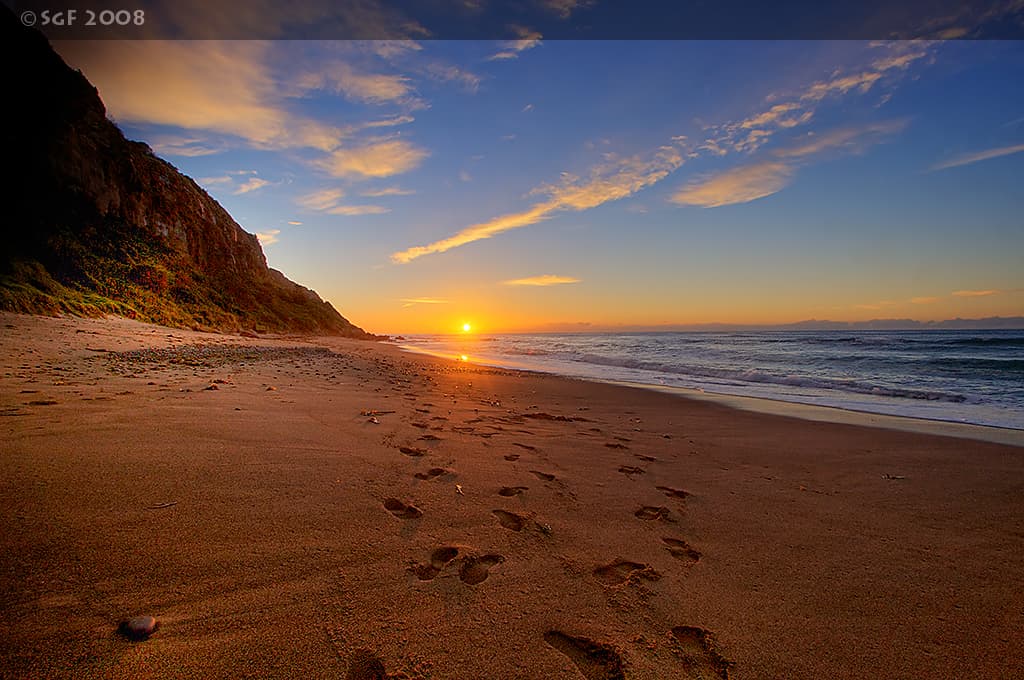
The flag-marked swimming zone sits at the northern end, sheltered by the harbour breakwall, where lap swimmers cut through rollers in the early hours and parents wade with toddlers by mid-morning. South of the flags, the beach opens into a consistent surf break that catches southeasterly swells year-round, drawing longboarders and shortboarders who share the lineup with a relaxed, small-city civility. Behind you, the teal-and-white pavilion houses change rooms and the kind of beachside café where tradies in hi-vis order bacon rolls alongside wetsuite-clad locals still dripping saltwater. The Illawarra escarpment rises steeply behind the city grid, cloaking the beachfront in afternoon shadow earlier than beaches farther north, but mornings blaze with direct sun that throws the clifftop rainforest into sharp relief. You'll follow the paved coastal walk that threads north toward the working harbour or south past rock pools toward Wollongong Head, where anglers cast into the swell and wedding parties pose against the lighthouse. The setting is unmistakably industrial-coastal: container cranes punctuate the northern skyline, while hang-gliders launch from the escarpment ridge above. Weekends bring a cross-section of Wollongong itself—Sudanese families grilling at the barbecues, university students sprawled on towels, retirees walking terriers along the hard sand. The beach works because it doesn't try to be boutique or remote; it simply absorbs the rhythms of a regional city built between mountain and ocean.
Places, rentals, tours and events within walking and driving distance of North Wollongong Beach.
Photos
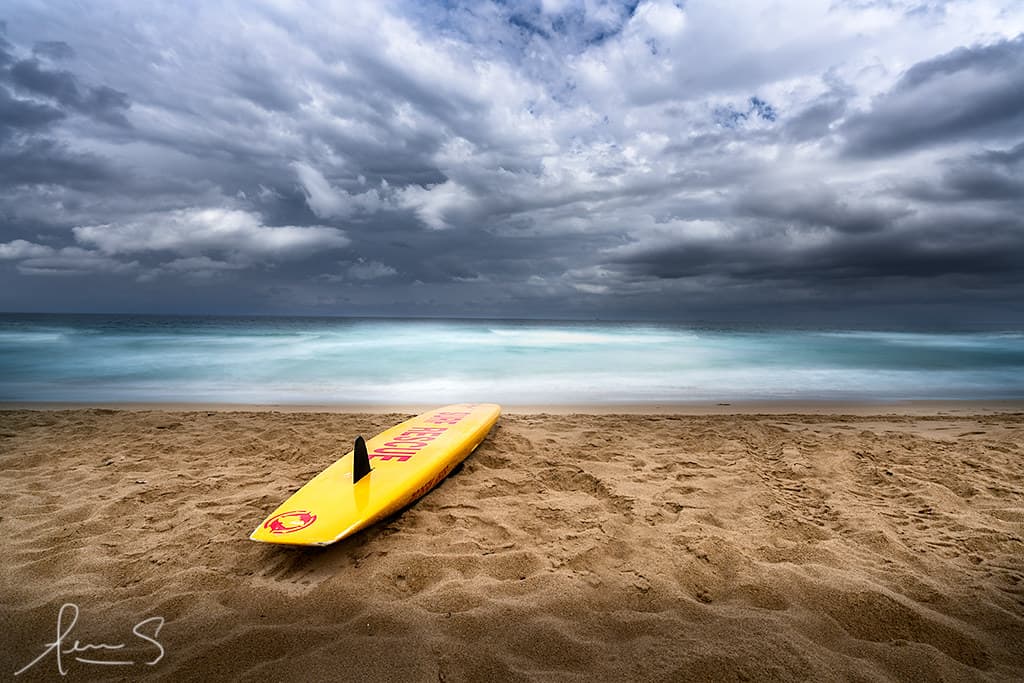
North Wollongong Beach is patrolled by lifeguards during summer months and school holidays, making it generally safe for swimming between the red and yellow flags. The beach features a protected ocean pool at its northern end, ideal for families and less confident swimmers. Surf conditions vary; waves can be moderate, so check daily surf reports and always swim in patrolled areas. The beach has good facilities including showers and change rooms. Rip currents can occur, so avoid swimming outside flagged zones and follow lifeguard instructions.
North Wollongong Beach is enjoyable year-round, with each season offering different appeal. Summer (December-February) brings warm temperatures of 25-28°C, perfect for swimming, though it's busiest then. Autumn and spring offer pleasant 20-24°C weather with smaller crowds, ideal for walking and surfing. Winter (June-August) sees cooler temperatures around 17°C but remains popular with surfers and beachwalkers. The beach faces east, so mornings offer calmer conditions. Lifeguard patrols operate mainly September through April on weekends and daily during summer holidays.
North Wollongong Beach has several convenient parking options. The main car park is located directly behind the beach on Cliff Road, offering metered parking with pay-and-display machines. Additional street parking is available along nearby Blighs Lane and surrounding streets, also metered. Parking fees apply daily, typically from 8am-6pm. On busy summer weekends, arrive early as spaces fill quickly. Alternatively, Wollongong's free shuttle bus connects the beach to the city centre and train station. The beach is also easily accessible by foot or bicycle from central Wollongong.
North Wollongong Beach offers excellent amenities and dining. Diggies café sits directly on the beachfront, serving breakfast, lunch, and coffee with ocean views. The nearby Novotel Wollongong Northbeach provides accommodation overlooking the beach. Central Wollongong, a five-minute walk away, features numerous cafés, restaurants, and pubs along Crown Street. Beach facilities include public toilets, showers, changing rooms, and barbecue areas. The adjacent ocean pool is free to use. Several surf shops operate nearby for board rentals and equipment. Picnic areas and playgrounds make it family-friendly.
Yes, North Wollongong Beach connects to the scenic Wollongong Harbour and its historic lighthouse via a stunning coastal walk. Head north along the beach, then follow the paved pathway around the headland toward Flagstaff Point. The walk takes approximately 15-20 minutes and offers spectacular ocean views. The red-and-white striped Wollongong Head Lighthouse, built in 1936, sits atop the breakwater. This walk forms part of the longer Blue Mile coastal path. It's popular with walkers, runners, and cyclists, and you'll often see surfers at Flagstaff Hill.