Counting the waves…
Counting the waves…

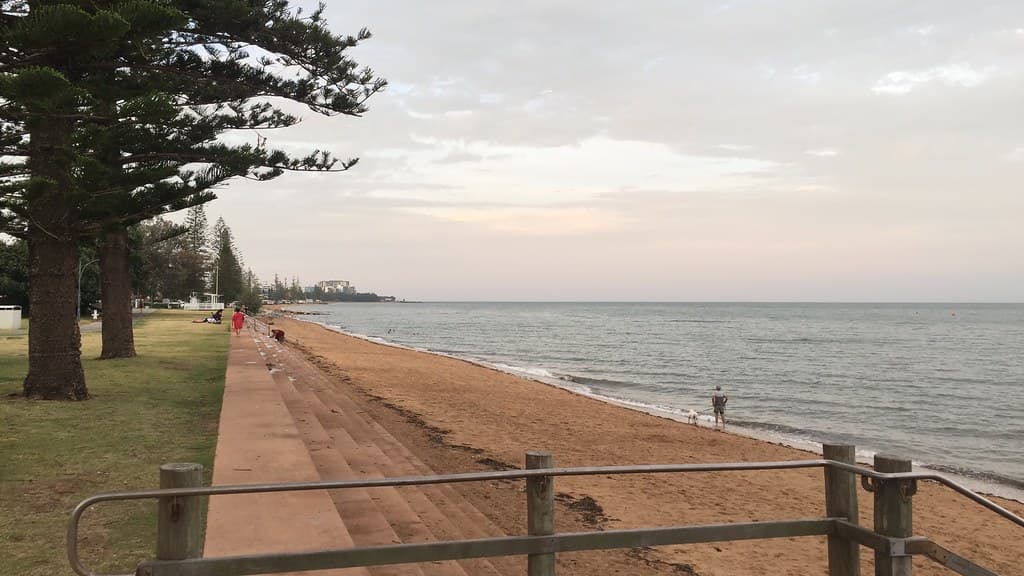
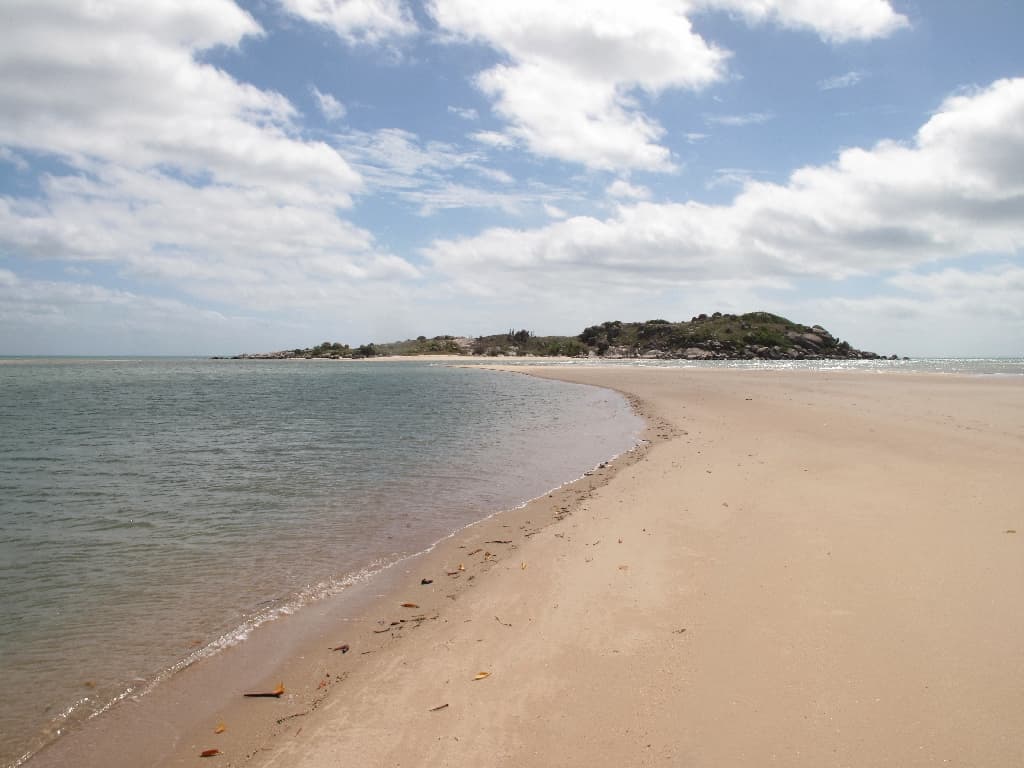
The flight from Nhulunbuy skims low over turquoise shallows, and when you step onto Elcho Island—Galiwin'ku in Yolŋu Matha—you've entered a corner of Arnhem Land where Aboriginal culture isn't a performance but daily life. South Beach stretches along the island's southern flank, a gently curving expanse where casuarina trees lean inland, shaped by decades of wet-season gales. The sand shifts from pale beige to deep ochre depending on the tide, and at dawn, mist rises off the water in lazy curtains. This is not a beach for jet skis or banana boats. Families wade in shallows warm as bathwater, children collecting delicate shells while parents set up shade under portable tarps. The water stays shallow for fifty meters, making it ideal for tentative swimmers, though you'll want to shuffle your feet—stingrays rest in the sand. Seagrass beds just offshore attract dugongs during calmer months; if you're patient and quiet in the early morning, you might see a dark shape surface, exhale, and disappear. Permits are required to visit Galiwin'ku, and respect for Yolŋu land protocols isn't optional—it's the foundation of your invitation here. Ask locally about which areas are open, keep voices low, and pack out everything you brought. The reward is a beach that feels untouched not by accident, but by intention.
Places, rentals, tours and events within walking and driving distance of Elcho Island South Beach.
Photos
Swimming conditions at Northern Territory beaches require caution year-round. The tropical waters can contain marine stingers (jellyfish) during the wet season (November-May), and saltwater crocodiles inhabit coastal areas throughout the region. Always observe local warning signs and consult with Nhulunbuy locals or your accommodation about current conditions before entering the water. Many visitors prefer to enjoy the beach for walks, picnics, and scenic views rather than swimming. Never swim alone or at dawn/dusk when crocodiles are most active.
The dry season (May-September) offers the most comfortable conditions with lower humidity, minimal rainfall, and temperatures averaging 25-32°C. This period provides clearer skies for photography and beach activities. The wet season (November-April) brings high humidity, afternoon storms, and increased marine stinger presence, though mornings can still be pleasant. April and October are shoulder months with good weather and fewer visitors. Year-round access means you can enjoy the beach's scenic beauty any time, though dry season is generally preferred for outdoor activities.
Elcho Island South Beach is located in a remote area of the Northern Territory. Access to Elcho Island itself typically requires either a charter flight from Nhulunbuy or a permit, as it's predominantly an Aboriginal community with restricted access. If you're visiting as part of an organized tour or with proper permissions, local transportation arrangements will be necessary. Due to the beach's remote and restricted nature, visitors should coordinate all travel logistics through authorized tour operators or community contacts in Nhulunbuy who can provide current access information and requirements.
Elcho Island has very limited tourist facilities, as it's primarily an Aboriginal community. Basic amenities may be available in the main settlement, but visitors shouldn't expect typical tourist infrastructure like restaurants or resorts. Most visitors base themselves in Nhulunbuy on the mainland, which offers hotels, supermarkets, and dining options. If visiting Elcho Island, you'll likely need to bring your own food, water, and supplies. Always plan ahead with a tour operator or community contact who can advise on what's available and what you'll need to bring.
Yes, Elcho Island (Galiwin'ku) is Aboriginal land, and visitors typically require a permit from the Northern Land Council to visit. The permit process exists to respect the traditional owners and manage access to their community. Applications should be made well in advance through the Northern Land Council or authorized tour operators who have existing arrangements. Some organized tours include permit arrangements in their packages. This requirement helps preserve the cultural integrity of the area while allowing respectful, managed tourism. Check current permit requirements before planning your visit.