Counting the waves…
Counting the waves…

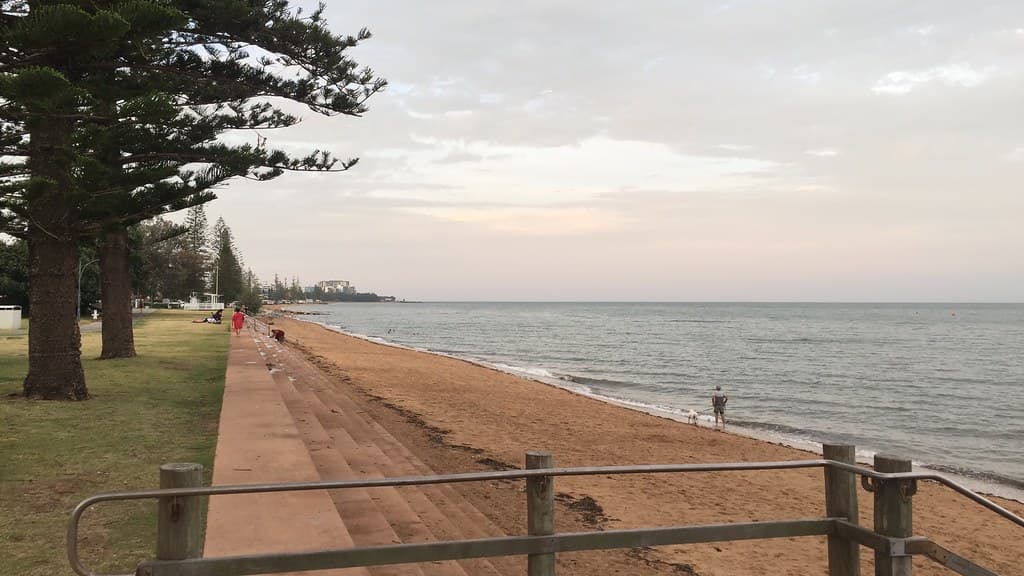
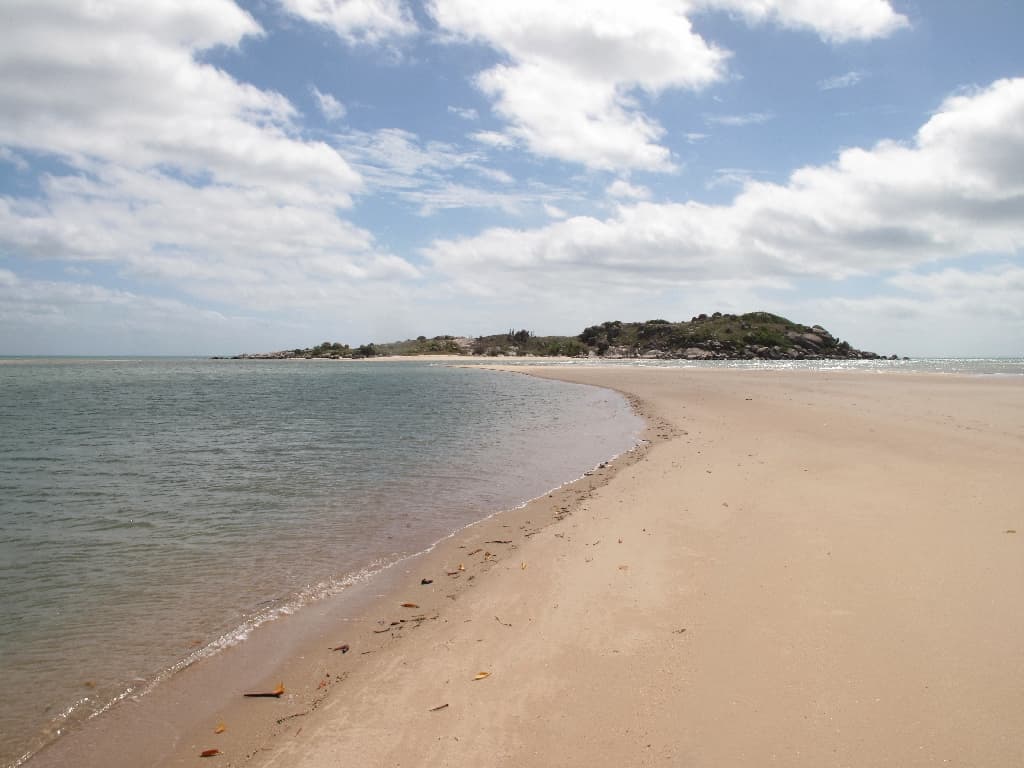
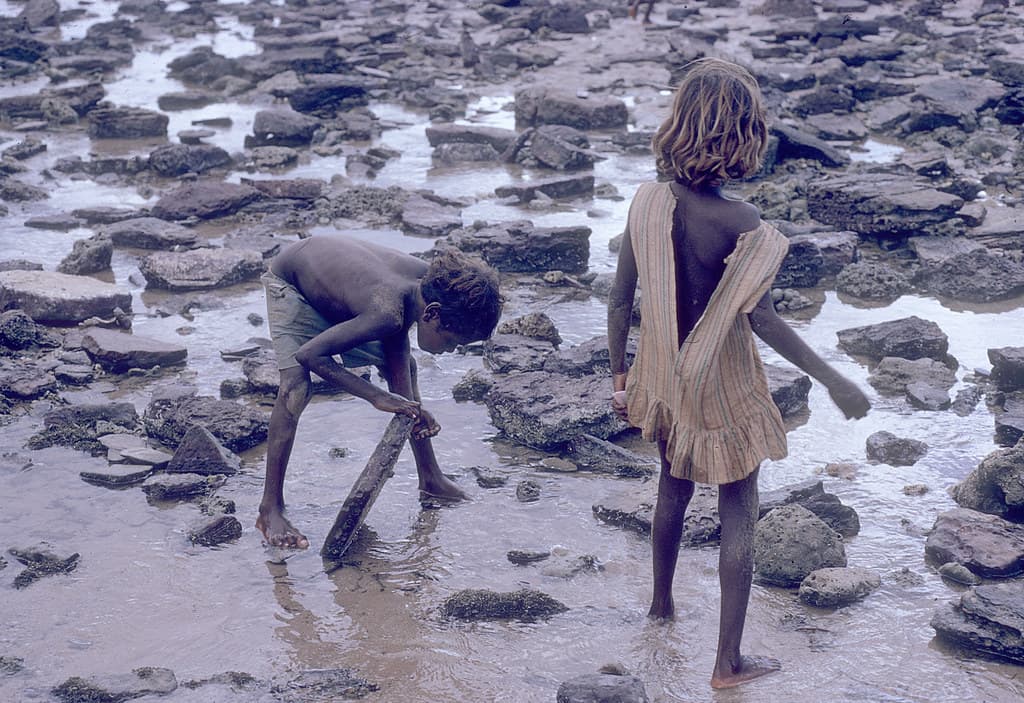
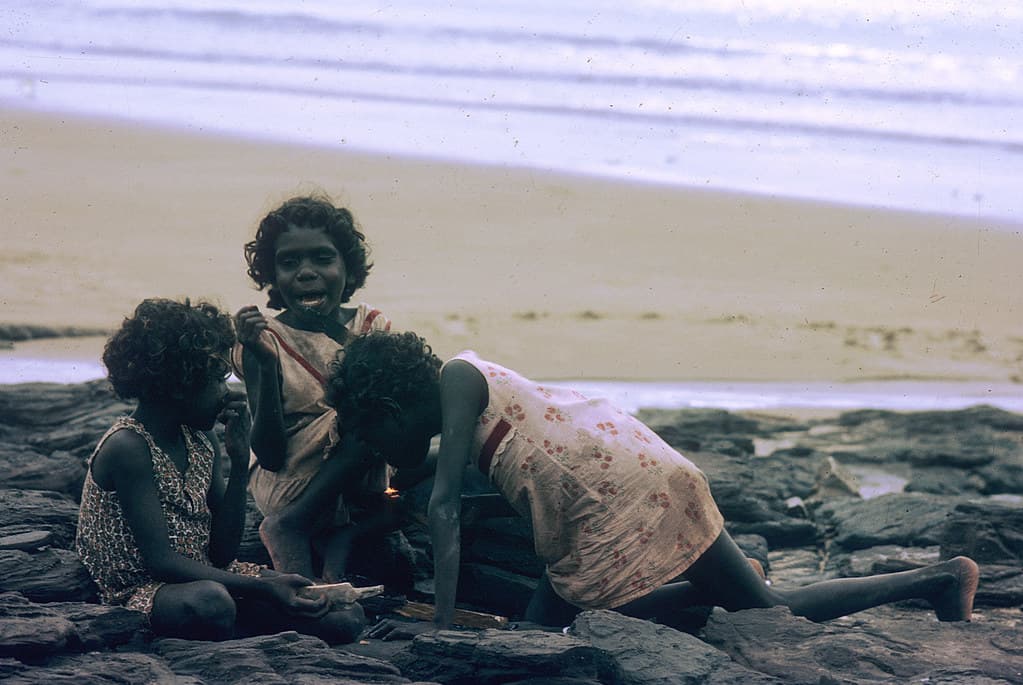
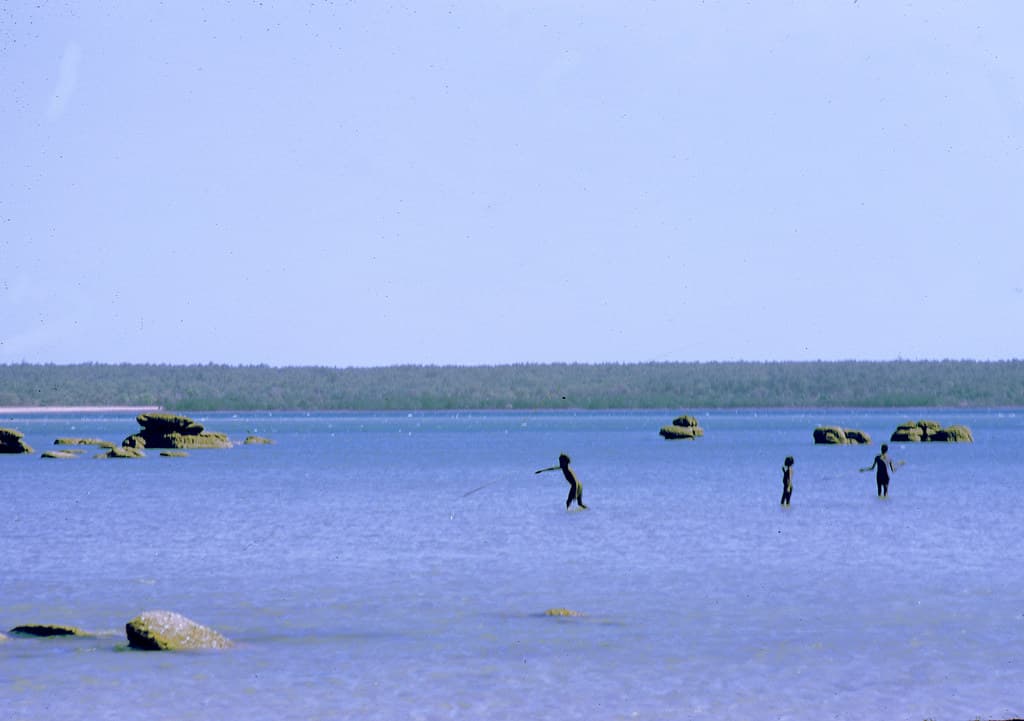
The flight from Darwin traces the coast above the Wessel Islands, turquoise shallows giving way to deeper indigo channels before touching down on Elcho Island. Galiwin'ku Beach unfolds along the settlement's eastern edge, where the sand shifts from gold to rust-red depending on how the light falls. The water is bath-warm most of the year, rolling in gentle sets that barely disturb the surface. Local Yolŋu families gather here in the late afternoon, children splashing in the shallows while elders sit beneath the shade of gnarled trees. The beach offers a rare window into remote Indigenous life, though you're visiting someone's home—respect and prior permission are essential. The amenities are basic but functional: a few shelters, grassy areas backing the sand, and little else to distract from the elemental meeting of land and sea. The isolation shapes everything. Supplies arrive by barge, mobile reception is patchy, and the nearest tourist infrastructure is a small plane ride away in Nhulunbuy. But that remoteness also means you'll watch frigatebirds wheel overhead in skies unmarred by light pollution, and see marine life thriving in waters largely untouched by recreational traffic. The beach doesn't perform for visitors—it simply exists, governed by tides and tradition.
Places, rentals, tours and events within walking and driving distance of Galiwin'ku Beach.
Photos
Swimming conditions at beaches in the Nhulunbuy region require caution year-round. The tropical waters are home to saltwater crocodiles and potentially dangerous marine stingers, particularly box jellyfish during the wet season (November-May). Always check local warnings and swim only in designated safe areas if available. Avoid swimming at dawn, dusk, or night when crocodiles are most active. Never swim alone, stay close to shore, and observe any signage. Local advice from tour operators or community members is essential before entering the water.
The dry season from May to October offers the most comfortable conditions for visiting, with clear skies, lower humidity, and temperatures ranging from 20-32°C. This period has minimal rainfall and calmer seas, ideal for beach activities and photography. The wet season (November-April) brings high temperatures, humidity, monsoonal rains, and potential cyclones, though it showcases dramatic skies and lush landscapes. Year-round visits are possible, but the dry season provides the most reliable weather for families and outdoor exploration.
Galiwin'ku is located on Elcho Island in the Arafura Sea, accessible only by air from Nhulunbuy or Darwin via commercial flights. The island is Aboriginal land requiring permits through the Northern Land Council before visiting. Access to specific beaches and areas may be restricted or require permission from the local community. Given its remote location and cultural significance, independent travel is limited. Organized tours or community-arranged visits are the most appropriate ways to experience the area while respecting local customs and regulations.
Galiwin'ku is a remote Indigenous community with limited visitor facilities. Accommodation and dining options are very restricted and typically require advance arrangements through community contacts or authorized tour operators. A small general store serves local residents, but visitors should not rely on purchasing supplies there. Most travellers stay in nearby Nhulunbuy, which offers hotels, restaurants, and full services, though it requires flight connections. If visiting Galiwin'ku, come fully prepared with necessary supplies and respect that facilities primarily serve the local community.
Yes, Galiwin'ku is on Elcho Island within Aboriginal land, and visitors must obtain a permit from the Northern Land Council before travelling there. This permit process respects Indigenous land rights and cultural protocols. Additionally, approval from the local Galiwin'ku community may be required. The permit application requires advance planning, typically several weeks. Unauthorized visits are illegal and disrespectful. Working with approved tour operators familiar with cultural protocols is recommended. This permission system protects the community's privacy and ensures visitors understand and respect local customs and sacred sites.