Counting the waves…
Counting the waves…

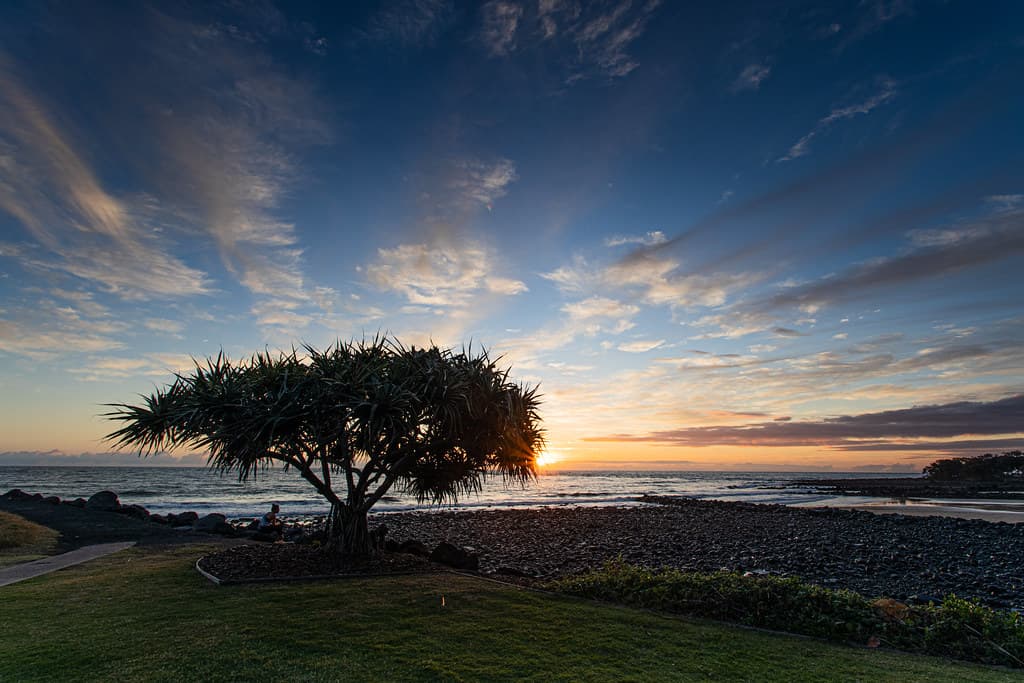
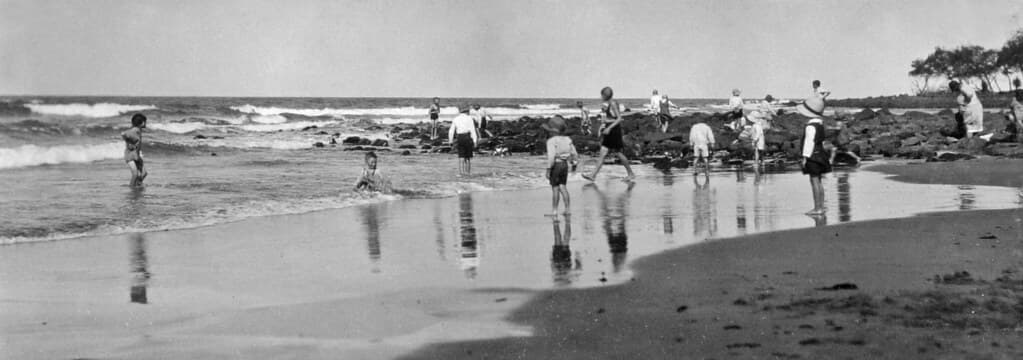
Kellys Beach unfolds along Bargara's northern edge as a wide, gently bowed shoreline where the Coral Sea laps against platforms of living reef. You'll step from the foreshore parkland straight onto sand the colour of raw sugar, then into shallows so calm they mirror the sky. At low tide, the reef reveals itself in shallow pools brimming with sergeant majors, wrasse, and the occasional blue-spotted ray gliding over algae-slicked rock. The beach earns its reputation as Bargara's most dependable swim. Protected by offshore reefs that blunt the swells, the water here stays placid even when neighbouring beaches churn. You'll find families with toddlers wading knee-deep an hour after sunrise, retirees doing laps parallel to shore, and snorkelers finning slowly over the reefy margins where coral bommies rise like underwater sculptures. The sand underfoot is coarse enough to scrub your soles clean, packed firm near the waterline. Palms and she-oaks fringe the grassy reserve behind the beach, offering pockets of shade by late morning when the Queensland sun climbs high. Barbecue shelters fill with the char-smoke smell of weekend lunches. You'll hear the rhythmic clatter of bocce balls from the courts, the occasional kookaburra's laugh, and always—always—the gentle sizzle of wavelets dissolving into sand.
Places, rentals, tours and events within walking and driving distance of Kellys Beach.
Photos
Kellys Beach is one of Bargara's safest swimming spots, making it ideal for families. The beach is protected by a rocky headland and offshore reef, which creates calm, shallow waters perfect for children and less confident swimmers. The reefy shallows offer gentle conditions and interesting marine life for snorkeling. Stinger nets are typically installed during summer months (November to May) for added protection. Always swim between the flags when lifeguards are on duty and check local conditions, as tides can affect water depth.
Kellys Beach is enjoyable year-round thanks to Queensland's subtropical climate. Summer (December to February) offers warm water temperatures around 26-28°C, ideal for swimming and snorkeling, though stinger season requires precautions. Winter (June to August) brings mild, sunny days with cooler water around 21°C—still comfortable for many swimmers. The shoulder seasons of spring and autumn provide excellent conditions with fewer crowds. Early mornings typically offer the calmest water and best visibility for snorkeling, regardless of season.
Kellys Beach is located in Bargara, approximately 13 kilometers east of Bundaberg. From Bundaberg, follow the Bundaberg-Bargara Road directly to the coast. The beach has dedicated parking areas along the foreshore, with the main car park at the southern end near the playground and facilities. Parking is generally free and accessible, though spaces can fill quickly during peak summer weekends and school holidays. The beach is also walkable from most Bargara accommodations, as the town is compact and pedestrian-friendly.
Kellys Beach offers excellent facilities including public toilets, showers, picnic tables, and barbecue areas. A modern playground sits adjacent to the beach, perfect for families. While there aren't cafes directly on the sand, Bargara's main street is a short walk away, featuring numerous restaurants, cafes, and takeaway options serving fresh seafood and casual dining. Several resorts, motels, and holiday apartments are located within easy walking distance of the beach, making it convenient for visitors to access both accommodation and dining options.
The shallow reef platforms at Kellys Beach create natural rock pools and snorkeling areas teeming with marine life. Snorkelers often spot colorful tropical fish, sea stars, crabs, and occasionally sea turtles in the clear, protected waters. The rocky outcrops and coral rubble provide habitat for diverse species, making it an accessible snorkeling location suitable for beginners and families. Water visibility is typically best during calmer conditions and at high tide. Remember to wear reef shoes for protection and never stand on or touch the coral.