Counting the waves…
Counting the waves…

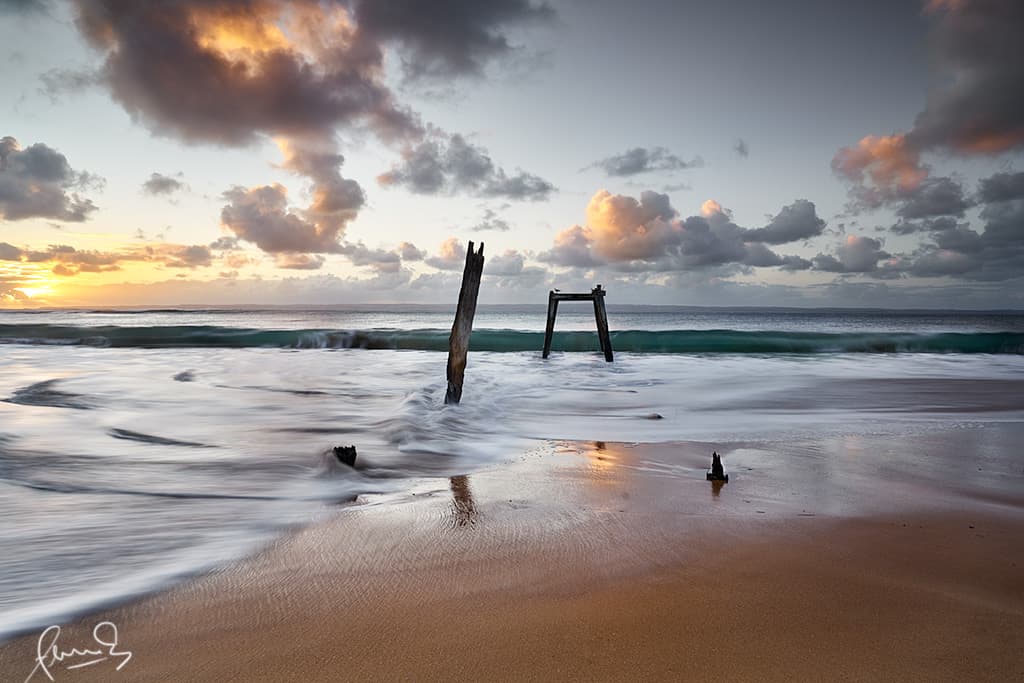
The track down to Currumbin Beach cuts through lawyer vine and fan palms, depositing you onto a crescent of sand where the world's oldest tropical rainforest—135 million years and counting—meets reef-fringed shallows. You're standing at the only place on the planet where two UNESCO World Heritage sites converge: the Daintree and the Great Barrier Reef. Most mornings, you'll share the shore with nothing but a few wading herons and the occasional southern cassowary foraging along the forest edge. The beach curves north toward Cape Tribulation's headland, framed by Melaleuca trees whose papery bark peels in the salt air. At low tide, volcanic rock platforms emerge, dotted with anemones and small octopuses hunting in the shallows. The water here runs warmer than you'd expect—26 degrees Celsius even in winter—though box jellyfish season (November through May) requires a stinger suit. There are no cafés, no umbrella rentals, no lifeguard towers. Just a small wooden sign marking the trailhead and a single picnic table under the she-oaks. You'll need to pack everything in and pack it out, but that's precisely why the sand remains unmarked by footprints most afternoons. When you do encounter another soul, it's usually a researcher from the nearby field station or a local who drove the twenty-minute washboard road from the Cape Trib township.
Places, rentals, tours and events within walking and driving distance of Currumbin Beach.
Photos
Swimming at tropical far north Queensland beaches requires caution year-round. Marine stingers, including dangerous box jellyfish, are present in coastal waters, particularly from November to May. Crocodiles inhabit the region's waterways and may occasionally venture into coastal areas. Always observe warning signs, swim only in designated areas if available, and consider wearing stinger suits during jellyfish season. Check with local authorities or your accommodation about current conditions before entering the water, as remote beaches often lack lifeguard patrols and safety equipment.
The dry season from May to October offers the most comfortable conditions, with lower humidity, minimal rainfall, and temperatures around 20-28°C. This period provides clearer skies and calmer seas, ideal for beach activities and exploring the surrounding Daintree Rainforest. The wet season (November-April) brings heavy rainfall, high humidity, and increased marine stinger presence, though the landscape becomes lush and dramatic. Year-round visitation is possible, but dry season offers easier access and more predictable weather for enjoying this remote coastal area.
Cape Tribulation is approximately 140km north of Cairns, accessed via the scenic Captain Cook Highway and then the Bloomfield Track or Cape Tribulation Road. The journey typically takes 2.5-3 hours by car, with the final portions on unsealed roads requiring a 4WD vehicle depending on conditions. Given the remote nature of beaches in this area, parking facilities vary and may be limited to informal roadside areas. Plan for a self-sufficient visit and check current road conditions before departure, especially during wet season.
Cape Tribulation offers limited but adequate services for a remote destination. Several eco-lodges, camping grounds, and small resorts provide accommodation options, typically emphasizing environmental sustainability. A few cafes and restaurants serve visitors, though choices are limited compared to urban areas. Basic supplies can be purchased at small local stores, but it's advisable to bring essential items from Cairns or Port Douglas. The nearest comprehensive services and medical facilities are in these larger towns, so plan accordingly for this wilderness area.
Cape Tribulation's beaches showcase the remarkable phenomenon of ancient rainforest meeting the Great Barrier Reef coastline, one of the few places on Earth where two World Heritage areas converge. The lush Daintree Rainforest extends down to the beach's edge, creating dramatic scenery with tropical vegetation framing white sand and turquoise waters. This unique ecosystem supports incredible biodiversity both on land and offshore, making the area exceptional for nature observation and photography while experiencing one of the world's oldest rainforest environments.