
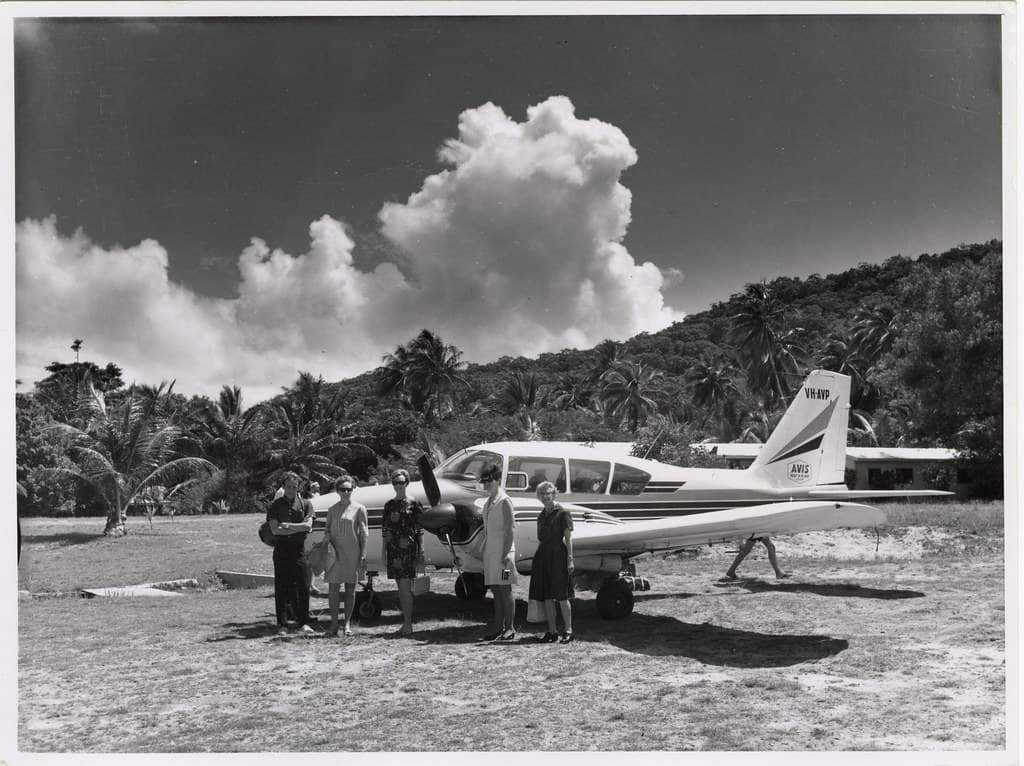
Counting the waves…
Counting the waves…

The Daintree Rainforest doesn't stop politely at a boundary fence—it surges right down to the high-tide mark at Cow Bay Beach, dropping strangler figs and Ulysses butterflies onto driftwood logs the colour of charcoal. You'll walk barefoot on sand that shifts from blonde to ochre depending on where the Cow Bay Creek has last carved its channel, and the air tastes faintly of salt and mulch, that particular cocktail only a wet tropics beach can mix. Most visitors to the Daintree drive straight through to Cape Tribulation, which means Cow Bay remains blessedly empty even at midday. The swimming here demands respect—stingers October through May, saltwater crocodiles year-round in the creek mouths—but the rockpools at the southern end fill with warm seawater at low tide, and the shorebirds work the flats with a focus you'll find contagious. Bring binoculars. You'll want to time your visit for the two hours either side of low tide, when the beach doubles in width and you can walk north toward the next headland without retracing a single step. The handful of eco-lodges tucked into the rainforest behind the beach fill quickly in dry season, but even then you'll rarely share the sand with more than a dozen people. Pack out everything you pack in; the nearest bins are back in the village, and the cassowaries don't need your banana peel.
Places, rentals, tours and events within walking and driving distance of Cow Bay Beach.
Photos
Swimming at Cow Bay Beach requires caution year-round. The beach is home to saltwater crocodiles and potentially deadly box jellyfish, particularly during stinger season (November to May). There are no stinger nets or lifeguards on duty. Most visitors choose to wade in the shallows or simply enjoy the beach scenery rather than swimming. Strong currents can also be present. If you do enter the water, stay alert, avoid murky areas near creek mouths where crocodiles frequent, and consider wearing a stinger suit during jellyfish season.
Cow Bay Beach can be visited year-round, though the dry season (May to October) offers the most comfortable conditions with lower humidity, minimal rainfall, and pleasant temperatures averaging 20-28°C. The wet season (November to April) brings tropical downpours, high humidity, and increased marine stinger activity, though the rainforest is particularly lush. Winter months (June-August) provide ideal beach walking weather. Regardless of season, the beach remains relatively uncrowded, making it perfect for those seeking solitude against the stunning rainforest backdrop.
Cow Bay Beach is accessed via the Cow Bay Road turn-off from Cape Tribulation Road, approximately 25 kilometres north of the Daintree River ferry crossing. The road is sealed but winding through rainforest. A small, informal parking area is located near the beach access point. Standard 2WD vehicles can reach the beach. From Cairns, the journey takes roughly 2.5 hours including the ferry crossing (ferry operates daily with a small fee). The final approach involves a short walk through coastal vegetation to reach the sand.
The small Cow Bay settlement offers limited but charming options. A few lodges and eco-accommodations are scattered nearby, ranging from budget cabins to boutique rainforest retreats. The Cow Bay Hotel provides casual dining and is a local gathering spot. A general store stocks basic supplies, though serious grocery shopping is better done before crossing the Daintree River. Cape Tribulation, about 20 minutes north, has additional dining and lodging choices. Most visitors stay overnight in the area to fully experience the Daintree's unique environment.
Cow Bay Beach and the surrounding Daintree region are within cassowary habitat, and sightings are possible though never guaranteed. These endangered flightless birds occasionally forage along the beach edge or cross nearby roads, particularly in early morning or late afternoon. The area's rainforest-meets-beach environment provides ideal cassowary territory. If you spot one, maintain a respectful distance of at least 5 metres—they can be dangerous if threatened. Never feed cassowaries. Driving slowly on local roads increases your chances of spotting wildlife safely.