Counting the waves…
Counting the waves…

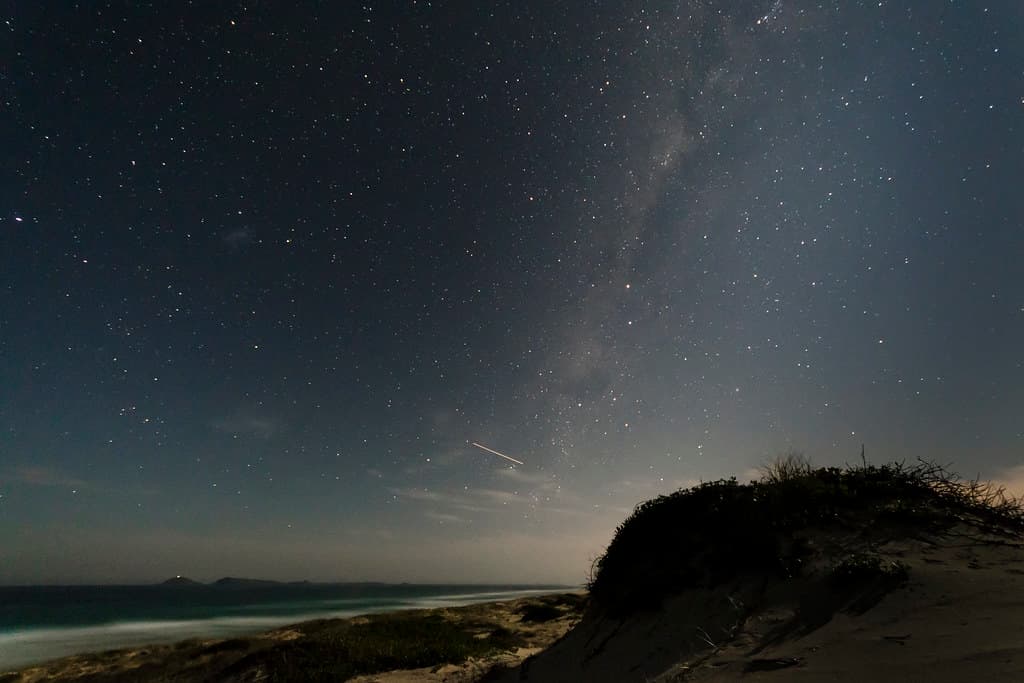
The journey to Wagyu Beach is half the reward—a skiff or kayak launch from the Daintree River ferry crossing, paddling past saltwater crocodile territory into a tidal inlet few visitors know exists. When you beach your craft, the forest presses close: pandanus palms lean seaward, fig roots clutch the shoreline, and the air hangs thick with the smell of mud, salt, and decomposing leaves. This is not a postcard beach. The sand is dark and gritty, the water stained with tannins from upstream creeks, and you'll share the space with mudskippers darting across exposed flats at low tide. What Wagyu offers instead is profound isolation. No beach bars, no jet skis, no lifeguard towers—just the slow breath of the estuary and the occasional white-bellied sea eagle circling overhead. Timing matters here: visit at high tide when the water laps the vegetation line, and you'll have a sliver of shore to yourself. At low tide, vast mudflats unfurl, revealing ghost crabs and the tracks of nocturnal visitors. You won't swim here—crocodiles patrol these reaches—but you will sit, listen, and recalibrate. The forest hums with cicadas. A kingfisher darts from a low branch. The Daintree, 135 million years old, doesn't perform for you; it simply persists, indifferent and magnificent.
Places, rentals, tours and events within walking and driving distance of Wagyu Beach.
Photos
Swimming at Wagyu Beach requires extreme caution as it's located on the Daintree River, where estuarine crocodiles are present year-round. These waters are considered unsafe for swimming due to the serious crocodile risk. Additionally, river currents can be strong and unpredictable. The beach is best enjoyed for its scenic beauty, wildlife viewing, and peaceful walks along the shore. Always observe warning signs, stay well back from the water's edge, and never enter the water despite how inviting it may appear.
The Daintree region can be visited year-round, with each season offering distinct experiences. The dry season (May to October) features sunny days, lower humidity, and easier access on unpaved roads, making it the most popular time. The wet season (November to April) brings lush landscapes and dramatic scenery, though heavy rainfall can make some tracks impassable and increase mosquito activity. Morning visits typically offer the best light for photography and wildlife spotting, with cooler temperatures before the tropical heat peaks.
Access to Wagyu Beach requires careful planning as it's located in a remote part of the Daintree. You'll need a 4WD vehicle to navigate unsealed roads in the area. The beach is reached via forest tracks off Cape Tribulation Road, though exact access points can be challenging to locate without local knowledge or GPS coordinates. Parking is informal and limited to roadside clearing areas. Consider joining a guided tour from nearby Cape Tribulation or consulting local accommodation providers for current access conditions and directions.
Wagyu Beach itself is completely undeveloped with no facilities, food outlets, or accommodations directly on-site. The nearest services are in Cape Tribulation, approximately 10-15 minutes' drive away, where you'll find eco-lodges, camping grounds, cafes, and small restaurants. For wider dining and accommodation choices, the communities of Cow Bay and Daintree Village offer additional options. It's essential to bring your own water, snacks, and supplies when visiting Wagyu Beach, as there are no amenities available at this isolated location.
The origin of the name 'Wagyu Beach' isn't widely documented in official tourism materials, and local knowledge about the name's etymology may vary. What's certain is that this beach remains genuinely isolated and uncommercialised compared to nearby Cape Tribulation Beach. Its relative obscurity means fewer visitors discover it, preserving its pristine, secluded character. The beach offers an authentic wilderness experience where the Daintree Rainforest meets the Coral Sea, making it a rewarding find for travellers seeking untouched natural beauty away from crowds.