Counting the waves…
Counting the waves…

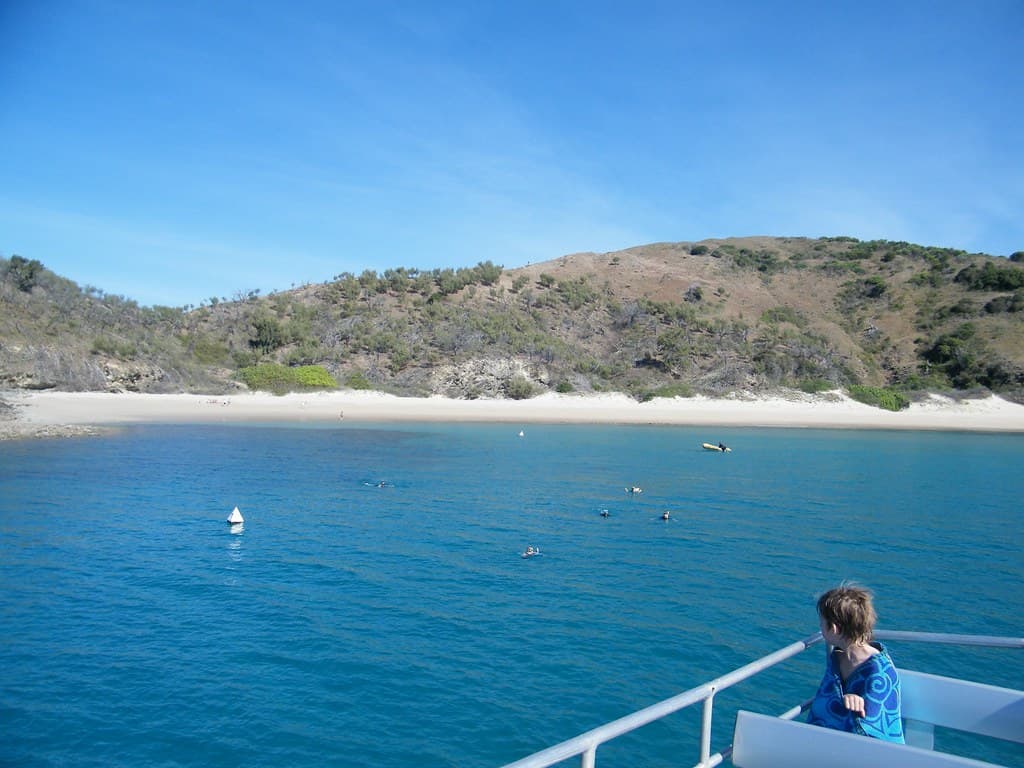
The track from Fisherman's Beach winds through spotted gum and wattle, the air thick with salt and eucalyptus, before the forest peels back to reveal Leekes Beach stretching in both directions. At four kilometers, it dwarfs every other strand on Great Keppel—a sweep of bone-white sand fringed by she-oak trees that lean inland from decades of prevailing winds. The water here glows turquoise in the shallows, deepening to cobalt where the continental shelf drops away beyond the reef. You'll have whole sections to yourself even in peak season. Scan the tideline and you'll spot nautilus shells, purple sea urchin tests, and the occasional blue sailor jellyfish stranded by overnight tides. The northern end curves toward rocky headlands where Pacific reef egrets stalk the shallows at low tide. Midday heat radiates off the sand with enough intensity to send you beneath the paperbarks, where the temperature drops ten degrees and ground parrots rustle in the leaf litter. The isolation here feels earned rather than manufactured. No beach clubs, no jet skis, no day-trip catamarans anchored offshore—just the crunch of coral fragments underfoot and the occasional yacht ghosting past on its way to Halfway Island. Pack everything in and everything out; the nearest tap is back at the main settlement, and the only shade comes from trees that have been bending to the same sea breeze since before the resort era began.
Places, rentals, tours and events within walking and driving distance of Leekes Beach.
Photos
Leekes Beach generally offers calm, safe swimming conditions with clear waters and a gentle sandy bottom. As with all Queensland beaches, be mindful of seasonal marine stingers (November to May) and consider wearing a stinger suit during these months. The beach is unpatrolled, so swim during daylight hours and stay within your depth. Check weather conditions before visiting, as wind and swell can occasionally affect water clarity and safety. The remote nature means no lifeguards are present, so always swim with others and use caution.
Leekes Beach can be visited year-round, with each season offering different advantages. May to October brings dry, sunny weather with comfortable temperatures (20-27°C) and minimal rainfall, ideal for beach activities. November to April is warmer and more humid with occasional afternoon storms, but still pleasant for early morning visits. Winter months (June-August) offer the calmest seas and best visibility for snorkeling. Visiting on weekdays or outside school holidays ensures you'll have this beautiful stretch largely to yourself, enhancing its remote, peaceful atmosphere.
Reach Great Keppel Island via ferry or water taxi from Rosslyn Bay Harbour near Yeppoon (30-minute crossing). Once on the island, Leekes Beach is accessible by a walking trail from the main settlement area—expect a 45-60 minute bushwalk through coastal forest. The track is moderately challenging with some inclines but well-marked. Alternatively, some visitors kayak along the coastline from other beaches. There's no vehicle access or parking on Great Keppel Island itself; the island is car-free and explored on foot or by water.
Leekes Beach has no facilities whatsoever—it's a completely undeveloped, natural beach. You'll find no toilets, showers, shade structures, or food vendors. Bring everything you need including plenty of water, snacks, sun protection, and shade (portable umbrella recommended). The main accommodation and dining options are located near Fisherman's Beach on the opposite side of the island, where you'll find the island's resort and casual eateries. Pack out all rubbish to preserve this pristine environment for future visitors.
Leekes Beach stretches for approximately 1.2 kilometers, making it Great Keppel Island's longest continuous stretch of sand. This expanse creates a genuine sense of seclusion and space rarely found on the island's smaller, more popular coves like Fisherman's Beach or Putney Beach. The length allows for extended beach walks, particularly at low tide when the firm sand reveals tidal pools. Its size and remote location mean even during peak season you can often find a private section of beach entirely to yourself, perfect for couples seeking tranquility.