Counting the waves…
Counting the waves…

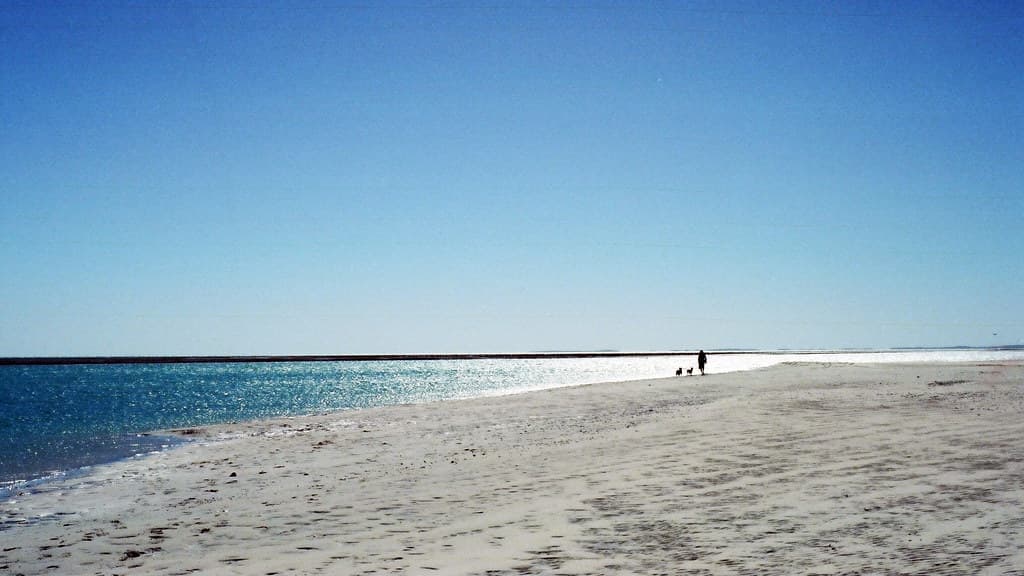
Long Beach unfolds along Great Keppel's western shore like a postcard that somehow forgot to exaggerate. The sand compresses beneath your feet with a soft squeak, each grain rounded by centuries of tide and current. Shallow sandbars extend fifty meters offshore, turning the bay into a vast wading pool where the water rarely climbs past your knees. Families stake claims under the casuarinas, spreading towels on sand that stays cool even at midday, while couples wade out to where the aquamarine deepens to cobalt. The beach earned its reputation not through drama but through dependability. No rips tear at the shoreline, no rocks lurk beneath the surface. You can swim straight out from any point along the kilometer-long arc and find only soft sand and gentle gradient. Snorkelers drift over scattered coral bommies near the southern headland, where wrasse and parrotfish nose through the shallows, seemingly indifferent to human observers floating above. By late afternoon, the western exposure transforms the bay into a theater of color. The sun descends behind the mainland ranges, backlighting the water in shades of copper and rose. You might notice other beachgoers slipping away toward the northern end, where clothing becomes optional and the atmosphere shifts to something more liberated. As the sky deepens to violet, fruit bats begin their nightly commute overhead, their silhouettes crossing the first stars.
Places, rentals, tours and events within walking and driving distance of Long Beach.
Photos
Long Beach is generally safe for swimming, with calm, clear waters protected by the island's position. The beach features gentle sloping sand and minimal currents, making it suitable for swimmers of all levels. However, as with all tropical Queensland waters, be mindful of marine stingers during summer months (November to May) and consider wearing a stinger suit. There are no lifeguards on duty, so swim within your abilities. The absence of sharp coral near the shore makes it family-friendly, though always supervise children.
Long Beach can be enjoyed year-round, but the peak season runs from May to October when you'll find warm, dry weather with temperatures around 20-26°C and minimal rainfall. These winter and spring months offer ideal beach conditions with calm seas and comfortable temperatures. Summer (December to February) brings hot, humid weather with occasional tropical storms and marine stingers. For the best combination of weather, water clarity, and fewer crowds, visit during the shoulder months of April-May or September-October.
To reach Long Beach, first take a ferry from Rosslyn Bay Marina near Yeppoon (about 30 minutes by boat) to Great Keppel Island. Ferries typically depart daily, with bookings recommended. Once on the island, Long Beach is accessible via a walking track from the main Fisherman's Beach area, approximately a 20-30 minute bushwalk through coastal vegetation. Alternatively, some visitors arrive by private boat. There's no vehicle access or parking on the island itself, as Great Keppel is pedestrian-only with walking tracks connecting beaches.
Long Beach itself is undeveloped with no facilities, so come prepared with food, water, and sun protection. The main accommodation and dining options are located at Fisherman's Beach, the island's main hub, about a 20-30 minute walk away. Options include Great Keppel Island Holiday Village and camping facilities. Some resorts may provide beach service or picnic drop-offs. There are basic amenities like toilets at the main beach areas, but Long Beach remains largely natural. Plan to carry everything you need for the day.
Long Beach has historically been known as a clothing-optional beach, popular with naturists due to its relative seclusion and natural setting. While not officially designated, it's traditionally accepted for nude sunbathing, particularly at the northern end. However, the beach is also visited by general tourists and families, especially those walking between beaches. If you prefer clothing-optional areas, head to the quieter sections away from the main access points. Always be respectful of other beachgoers and aware that attitudes and regulations can change.