Counting the waves…
Counting the waves…

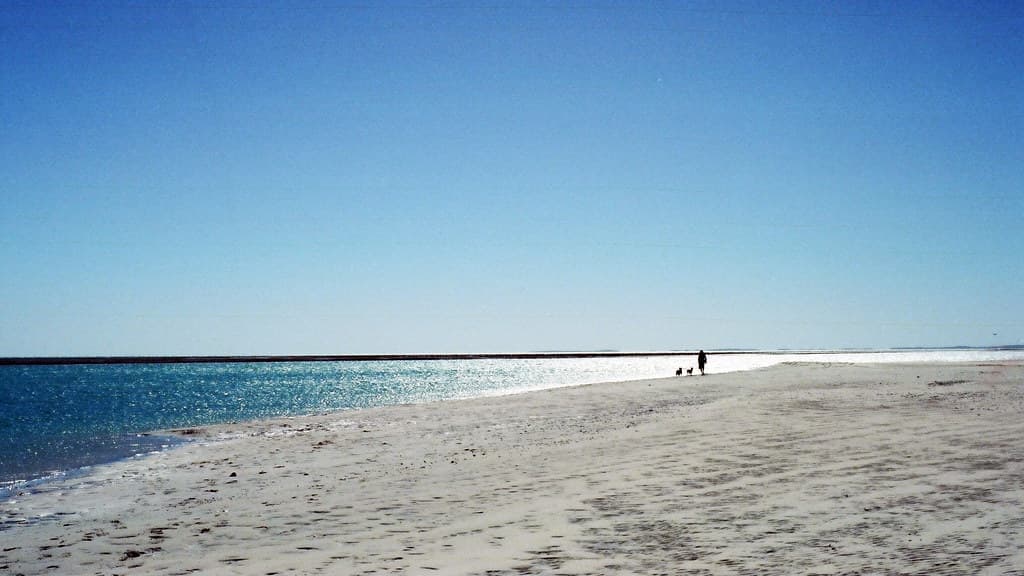
The moment the ferry from Rosslyn Bay nudges the jetty, Putney Beach announces itself: a generous crescent of sand that serves as Great Keppel's handshake and first impression. Unlike the island's seventeen other beaches—many requiring bushwalks or kayak expeditions—this one greets you with immediate gratification. Families spread picnic blankets beneath the shade of whispering casuarinas while children wade into shallows so gentle they're practically horizontal. The beach earns its reputation not through drama but through reliability. The sand holds firm underfoot, ideal for morning runs before the day-trippers arrive. Snorkellers fin along the southern rocks where wrasse dart between bommies, though the real underwater theatre lies at beaches farther afield. By late afternoon, as the last ferry prepares to depart, the light turns amber and the water mirrors the sky in shades of apricot and rose. Putney doesn't pretend to be wilderness. The beach huts and picnic shelters remind you this is the island's public face, the accessible counterpoint to its wilder coves. Yet that accessibility is precisely the point: you're ten minutes from the mainland but already barefoot, already salted, already wondering why you booked a return ticket quite so soon.
Places, rentals, tours and events within walking and driving distance of Putney Beach.
Photos
Putney Beach is generally considered one of the safest swimming spots on Great Keppel Island, particularly suitable for families. The beach features calm, protected waters with gentle slopes, making it ideal for children and less confident swimmers. Stinger season (November to May) can bring marine stingers, so protective clothing is recommended during these months. The beach lacks lifeguard patrols, so always swim cautiously and supervise children closely. The sandy bottom and clear visibility make it easy to spot any potential hazards.
Putney Beach can be enjoyed year-round thanks to Queensland's subtropical climate. The dry season (May to October) offers sunny days, comfortable temperatures (20-25°C), and lower humidity, making it the most popular period. Summer months (December to February) bring warmer conditions ideal for swimming but also higher humidity and occasional rainfall. Shoulder seasons provide excellent value with fewer crowds. For spectacular sunsets, the beach's western orientation makes late afternoon visits particularly rewarding any time of year.
Putney Beach is accessible only by boat, as Great Keppel Island has no bridge connection. Regular ferry services operate from Rosslyn Bay Harbour near Yeppoon on the mainland, with the journey taking approximately 30 minutes. Some ferries arrive directly at Putney Beach, while others dock at the main jetty, from which the beach is a short walk. Private boat owners can anchor in the bay. There's no car access on the island, but the beach is easily reached on foot from accommodation areas.
Putney Beach itself has limited permanent facilities, though the nearby Great Keppel Island Holiday Village and other resorts offer dining options within walking distance. Day-trippers should bring their own food and plenty of drinking water, as facilities can vary seasonally. Several accommodation options exist on the island, ranging from camping grounds to holiday units, though not directly beachfront at Putney. The main resort area is close by, providing restaurants, cafes, and basic provisions during operating seasons.
Putney Beach serves as the primary arrival point because its sheltered bay and gentle gradient provide ideal conditions for ferry operations and safe passenger disembarkation. The beach's western location offers natural protection from prevailing winds and ocean swells, ensuring smoother water for vessels. Its proximity to the island's main accommodation and facilities makes it logistically convenient for visitors. The broad, sandy beach easily accommodates arriving passengers and their gear, while the scenic setting provides an impressive first glimpse of island life.