Counting the waves…
Counting the waves…

Happy Valley curves along the protected western coast of K'gari, facing the Great Sandy Strait where tannin-stained runoff from the island's perched lakes stains the shallows amber. The beach stretches wide at low tide, exposing ribbed sand that records the night's wallaby tracks. A handful of permanent structures—ranger station, campground facilities, a scattering of eco-lodges—make this the only year-round settlement on the world's largest sand island, though "settlement" here means a few dozen souls and more dingoes than dogs. The Butchulla people call this coast Gari, and their middens dot the dunes behind the beach, layers of pipi shells compressed into stratigraphy. You'll share the shallows with stingrays that plane across the sand like shadows, their wing-tips occasionally breaking the surface. Swimming here lacks the drama of the eastern surf beaches—no dumping waves, no rips—just warm, tea-colored water that deepens gradually enough for children to wade out thirty meters without losing footing. Morning belongs to the fishermen casting for whiting and flathead from the shore, afternoon to the four-wheel-drives that park wheel-deep at the tide line. By evening, campfire smoke drifts through the she-oaks, and if you walk the beach after dark with your headlamp off, bioluminescent plankton spark green beneath your footsteps, tiny galaxies igniting in the shallows.
Places, rentals, tours and events within walking and driving distance of Happy Valley Beach.
Photos
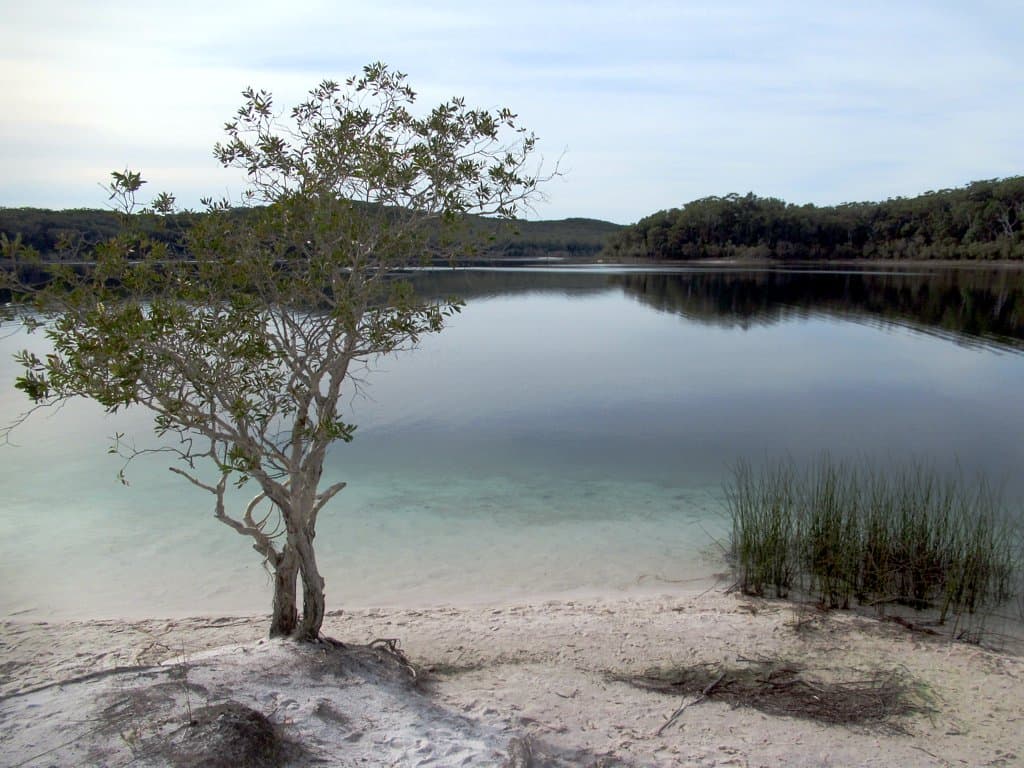
Swimming at Happy Valley Beach requires caution. Like most K'gari beaches, strong currents, rips, and occasional shark activity make ocean swimming risky—there are no lifeguards or shark nets. The beach sits along the exposed eastern coastline facing the Pacific Ocean. Most visitors enjoy wading in shallow water and beach walking instead. For safer swimming, consider the island's freshwater lakes like Lake McKenzie. Always check current conditions with your tour operator or accommodation, and never swim alone or after heavy rainfall.
Happy Valley Beach is accessible year-round, though April to October offers the most comfortable conditions with milder temperatures (20-25°C), lower humidity, and minimal rainfall. December to March brings hot, humid weather with afternoon storms and stinger jellyfish season. Winter months (June-August) provide excellent whale-watching opportunities as humpbacks migrate along the coast. School holidays and peak tourist seasons (July, September, December-January) mean more visitors and higher accommodation costs. Book permits and accommodation well in advance regardless of season.
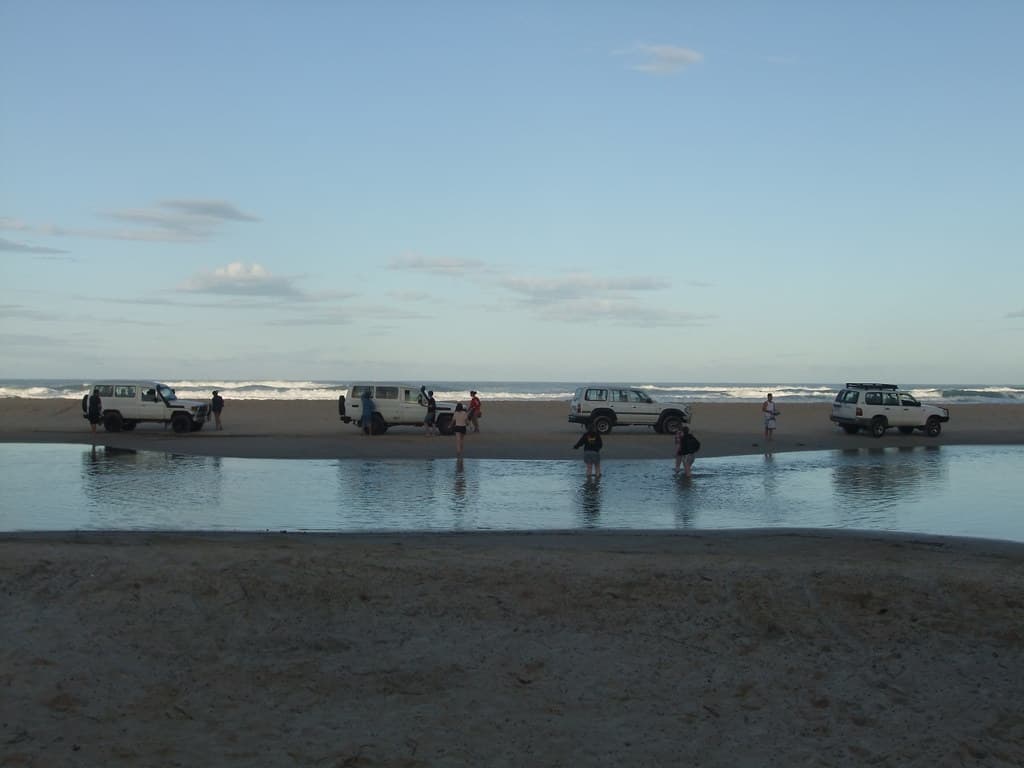
Happy Valley is accessed via 4WD only along 75 Mile Beach, K'gari's main eastern beach highway. It's approximately 10km north of Eurong or 15km south of Eli Creek. You'll need a vehicle permit and must travel by vehicle barge from either River Heads (Wangoolba Creek) or Inskip Point (Hook Point). Beach driving requires deflated tyres and tide awareness. Parking is informal—pull off the beach near the settlement township. Most visitors arrive on organized 4WD tours or hire permitted 4WD vehicles on the mainland.
Happy Valley is K'gari's most developed settlement with a general store selling basic groceries, ice, fuel, and takeaway food. Several accommodation options include beach houses, the Happy Valley resort, and nearby camping areas. Mobile phone reception is limited. The store has restricted hours, so bring essential supplies from the mainland. No restaurants or cafes operate here—most visitors self-cater or rely on tour packages. Potable water and public toilets are available. Stock up on provisions in Hervey Bay or Rainbow Beach before crossing.
The famous Maheno shipwreck is visible approximately 15-20km north of Happy Valley along 75 Mile Beach, about a 20-30 minute 4WD drive depending on beach conditions and tides. This 1935 wreck of a luxury liner is one of K'gari's most photographed landmarks and makes an excellent day-trip stop when traveling the beach. You cannot see it directly from Happy Valley township. Plan your beach driving around low tide for easier access, and never climb on the wreck as it's fragile and protected.