Counting the waves…
Counting the waves…

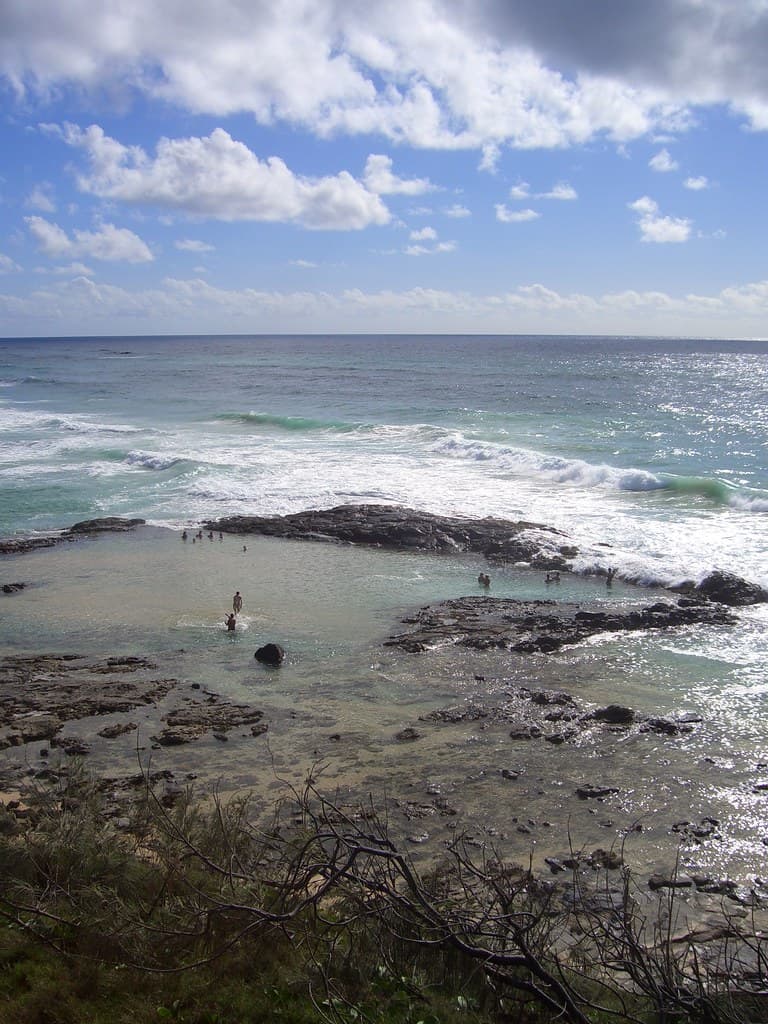
Bulwer sits on the northernmost tip of Moreton Island's western shore, a crescent of honey-colored sand facing the mainland across the glassy expanse of Moreton Bay. Unlike the ocean beaches that thunder on the island's eastern flank, this beach moves to a quieter rhythm: the slap of hull against pier, the hiss of a reel, the engine purr of returning fishing charters. The settlement itself—a loose collection of weatherboard shacks, a general store, and a campground—spreads behind the shoreline in no particular hurry. You'll find families constructing sandcastle cities at the water's edge while their teenagers cast lines for flathead and bream. The beach shelves so gradually that at low tide you can walk fifty meters out and still feel sand beneath your toes. Moreton Bay figs throw shade over picnic tables near the boat ramp, and the jetty extends like a wooden finger pointing back toward Brisbane's skyline, faint and shimmering in the western haze. The appeal here isn't Instagram drama—it's the unhurried cadence of island life compressed into a single functional beach. You'll hear the clatter of crab pots being hauled, smell two-stroke fuel mingling with salt air, watch the vehicular ferry reverse its engines in the channel. This is where the island breathes in supplies and exhales day-trippers, where the Pacific's roar becomes a distant rumble, and where you can stand in ankle-deep water and feel genuinely arrived.
Places, rentals, tours and events within walking and driving distance of Bulwer Beach.
Photos
Bulwer Beach is generally safer for swimming than Moreton Island's ocean-facing beaches due to its western location on Moreton Bay, which offers calmer, more protected waters. The bay side typically has gentler waves and fewer rips, making it suitable for families with children. However, always check local conditions and be aware of marine life. The beach is unpatrolled, so swim with caution and never alone. During summer months, marine stingers may be present, so consider wearing protective clothing.
Bulwer Beach is accessible year-round, with each season offering different advantages. Winter (June-August) brings mild, dry weather ideal for beach walks and fishing, with temperatures around 20-25°C. Summer (December-February) is perfect for swimming and water sports, though it can be humid with occasional afternoon storms. Spring and autumn offer comfortable conditions with fewer crowds. The calmer bay waters make it enjoyable throughout the year, unlike the rougher ocean beaches during certain seasons.
Bulwer Beach is only accessible by boat or vehicle barge from the mainland. Take the Micat vehicle ferry from Port of Brisbane (approximately 75 minutes) or passenger ferries from Scarborough or Tangalooma. You'll need a 4WD vehicle and permits to drive on Moreton Island's sand tracks. Parking is available near Bulwer township, where you can park on designated areas. Book ferry tickets in advance, especially during peak periods. Once on the island, Bulwer Beach is close to the ferry arrival point.
Bulwer is a small settlement with limited but essential amenities. The Bulwer General Store offers basic supplies, takeaway food, and fuel. There's no restaurant, so bring provisions from the mainland or plan meals at your accommodation. Lodging options include camping at nearby Bulwer Campground (bookings required through Queensland Parks), beach houses, and holiday rentals. Facilities are basic and deliberately low-key. Stock up on groceries before arriving, as options are limited and prices higher than mainland.
Bulwer Beach and the surrounding area offer excellent fishing opportunities. The famous Tangalooma Wrecks, located south of Bulwer along the western shore, are particularly popular for catching species like bream, flathead, whiting, and snapper. Shore fishing from Bulwer Beach itself can yield good results, especially during tidal changes. You'll need a Queensland recreational fishing license. The calm bay waters make it accessible for both experienced and novice anglers. Local regulations apply, so check size and bag limits before fishing.