Counting the waves…
Counting the waves…

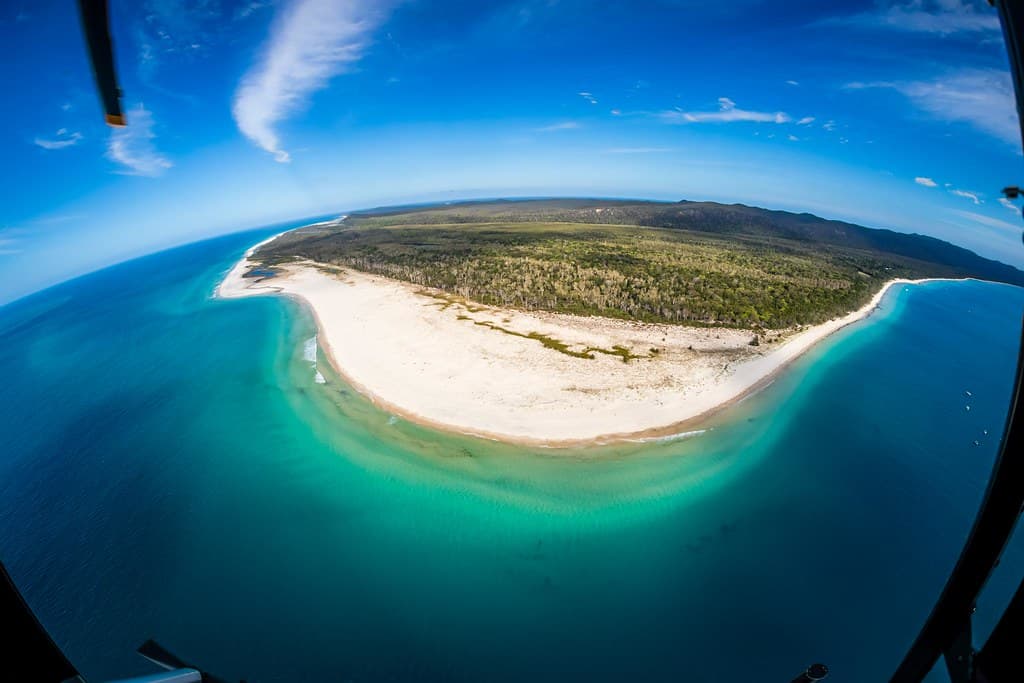
You reach Comboyuro Point Beach by water, which filters the crowds before you even set foot on sand. The shoreline here curves gently along the island's northern reach, sheltered from ocean swell by the bulk of Moreton itself. Banksia trees lean in from the low dunes, their gnarled limbs casting afternoon shade over sand the color of raw sugar. At low tide, sandbars emerge offshore, and you can walk a hundred metres out into knee-deep water that holds the warmth of the bay long after the sun dips. The settlement behind the beach is minimal—a scattering of modest cottages, a boat ramp, a sense that this corner of the island has resisted the gloss applied elsewhere. Fishermen launch at dawn. Families arrive by tinny, unload esky and snorkel gear, claim a stretch of beach with nothing more than a towel. The water here is too calm for surf, too silty for postcard turquoise, but it's honest—bay water, tidal, alive with bream and whiting if you cast a line. Comboyuro rewards those who treat it as a base rather than a backdrop. Bring provisions. Bring patience. The island's famous eastern beaches—Champagne Pool, the wrecks—draw the tour buses, leaving this western fringe to those who know that sometimes the best beach is the one you have to work a little to find.
Places, rentals, tours and events within walking and driving distance of Comboyuro Point Beach.
Photos
Comboyuro Point Beach on Moreton Island's western side generally offers calmer swimming conditions than the ocean-facing eastern beaches, as it sits within Moreton Bay. The sheltered waters typically have gentler waves and currents. However, always check local conditions before swimming, watch for boat traffic in the area, and be aware that lifeguard services are not present at this remote beach. Stingers can be present in warmer months (October-May), so protective clothing is advisable. Never swim alone and inform someone of your plans when visiting this secluded location.
Comboyuro Point Beach can be enjoyed year-round due to Queensland's subtropical climate. Winter months (June-August) offer mild, dry conditions with temperatures around 20-25°C, ideal for comfortable beach activities. Summer (December-February) brings warmer weather but also humidity, afternoon storms, and marine stingers. Spring and autumn provide excellent middle-ground conditions with pleasant temperatures and lower rainfall. Since Moreton Island requires boat access, always check marine weather forecasts and avoid visiting during strong wind warnings or rough sea conditions, which can make boat transfers challenging.
Comboyuro Point Beach is only accessible by boat, as it's located on Moreton Island which has no bridge connection to mainland Queensland. Vehicle barges operate from Port of Brisbane and Scarborough (north of Brisbane) to Moreton Island, typically taking 75-90 minutes. You'll need a 4WD vehicle with beach driving permit to traverse the island's sand tracks to reach the northern Comboyuro Point area. Alternatively, some tour operators offer day trips to Moreton Island. There is no formal parking area—you park on designated beach driving zones.
Comboyuro Point Beach is extremely remote with no facilities, amenities, or commercial establishments directly nearby. Visitors must be completely self-sufficient, bringing all food, water, shade, and supplies. The nearest accommodation and limited facilities are at Bulwer settlement, several kilometres south along the western shore. Tangalooma Resort on the island's west coast offers more comprehensive dining and lodging but is a significant distance away. Pack out all rubbish, bring portable toilets if needed, and prepare for a true wilderness beach experience with no mobile phone coverage in most areas.
The sheltered waters around Moreton Island's western beaches, including the Comboyuro Point area, are part of Moreton Bay Marine Park where dugongs are known to feed on seagrass meadows. While sightings aren't guaranteed, patient observers sometimes spot these gentle marine mammals, especially during early morning or late afternoon in calmer conditions. Bring binoculars and scan the shallows quietly. Green sea turtles are also occasionally seen in these waters. Remember to observe from a distance without disturbing wildlife, as these are protected species in a marine sanctuary.