Counting the waves…
Counting the waves…

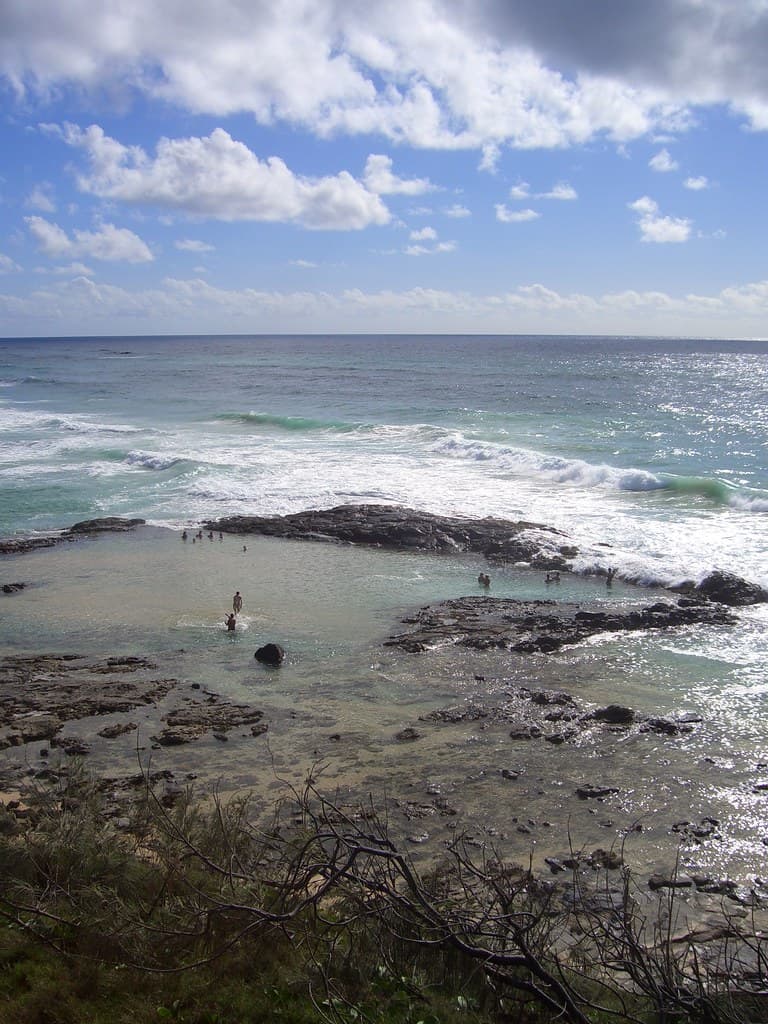
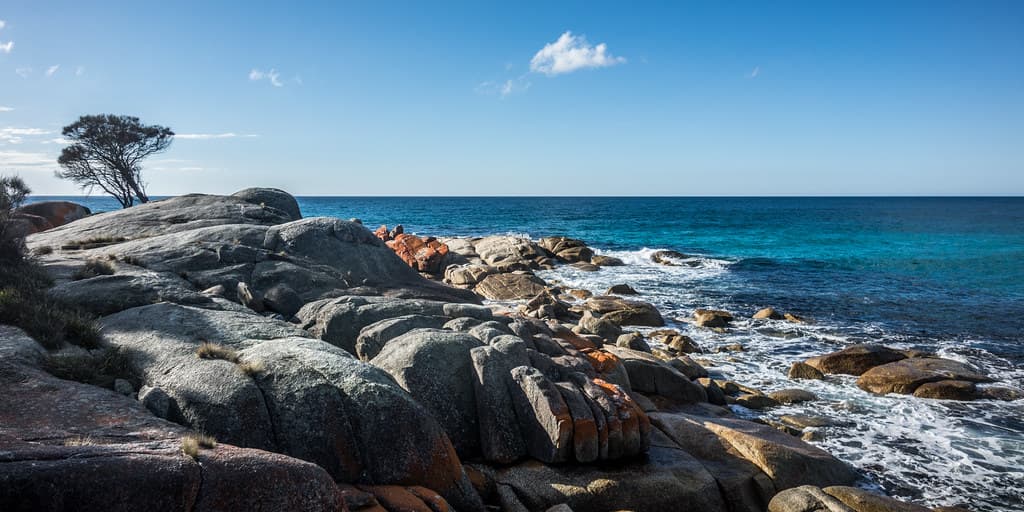
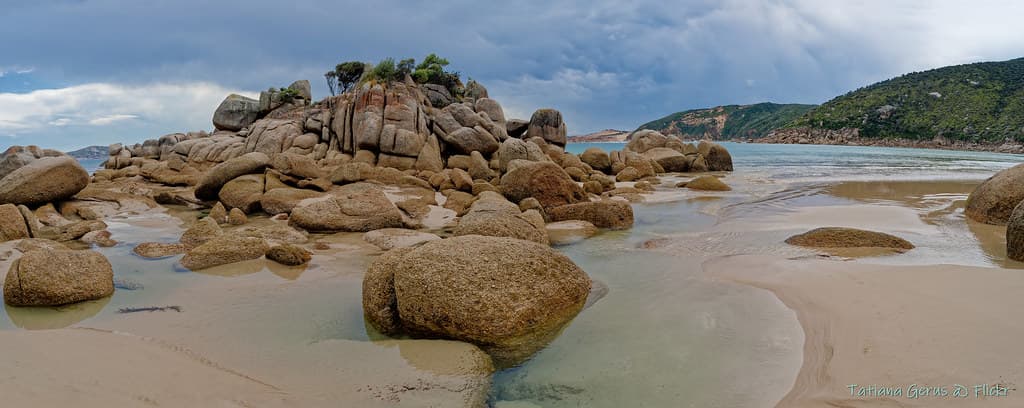
North Point Beach occupies the wild northeastern shoulder of Moreton Island, where the Coral Sea throws its full weight against a coastline unmarred by development. The sand here is pale, almost blinding under midday sun, and the shore curves gently for kilometers with nothing but dunes, pandanus scrub, and the occasional sea eagle overhead. Waves fold and collapse in powerful, glassy lines when conditions align, and you'll spend long minutes watching the horizon before spotting another soul. Reaching this edge of the island demands commitment: you'll navigate soft sand tracks by four-wheel-drive, crossing the island's spine from the protected western beach. The journey filters out day-trippers, leaving the beach to serious surfers, campers who've hauled their gear across the island, and those willing to trade convenience for solitude. There's no cafe, no lifeguard tower, no cell signal—just you, the ocean, and the occasional pod of dolphins cutting through the break. The light shifts dramatically throughout the day, from the hazy gold of early morning to the sharp, saturated blues of afternoon. At high tide, waves chew into the base of the dunes; at low, tidal pools appear in the hard-packed sand, reflecting clouds and seabirds. You'll leave with sand in every crevice and the sound of that relentless shore break still echoing hours later.
Places, rentals, tours and events within walking and driving distance of North Point Beach.
Photos
North Point Beach faces the open ocean and typically experiences strong currents, powerful surf, and occasional rips, making swimming conditions challenging and potentially dangerous. The beach is unpatrolled with no lifeguard services. Many visitors choose to wade in shallow water rather than swim. If you do enter the water, never swim alone, stay close to shore, and be extremely cautious of changing conditions. The beach is better suited for experienced ocean swimmers. Always check conditions before entering and avoid swimming during rough weather or high winds.
North Point Beach can be visited year-round, with each season offering different experiences. June to October (winter/spring) typically brings calmer seas, clearer skies, and excellent whale watching opportunities as humpback whales migrate past the point. Summer (December to February) offers warm weather ideal for beach activities, though occasional storms and jellyfish may be present. Autumn (March to May) provides pleasant temperatures with fewer crowds. Early mornings generally offer the calmest conditions and best light for photography. Always check weather forecasts and tide times before visiting this remote location.
North Point Beach is accessible only by 4WD vehicle along Moreton Island's beach tracks or by organized tour. You must first reach Moreton Island via passenger ferry or vehicle barge from the mainland (Tangalooma, Kooringal, or Amity Point). The drive from main arrival points takes 1-2 hours through sand tracks requiring 4WD experience and appropriate permits. There's no formal parking area—vehicles park on designated beach access points above the high-tide line. Lowering tire pressure is essential, and travel is tide-dependent. Many visitors join guided tours instead of self-driving.
North Point Beach is extremely remote with no facilities, food vendors, or amenities whatsoever. Visitors must bring all supplies including water, food, and emergency equipment. The nearest accommodation options are at Tangalooma Island Resort (about 2 hours' drive south) or camping areas at Ben-Ewa, Comboyuro Point, or Blue Lagoon, which require camping permits. Basic facilities exist only at these camping zones. Mobile phone coverage is unreliable. Given the isolation, thorough preparation is essential—pack out all rubbish and bring sufficient fuel, as there are no services available on this part of the island.
Yes, North Point is one of Queensland's premier land-based whale watching locations. Between June and October, humpback whales migrate along the coast, often passing very close to North Point as they round the island's northern tip. The elevated headland provides excellent vantage points for spotting whales breaching, tail-slapping, and nurturing calves. September typically sees peak numbers during the southern migration. Bring binoculars for the best experience, though whales are often visible to the naked eye. The point's geography funnels whales close to shore, making it genuinely spectacular for whale watching without requiring a boat tour.